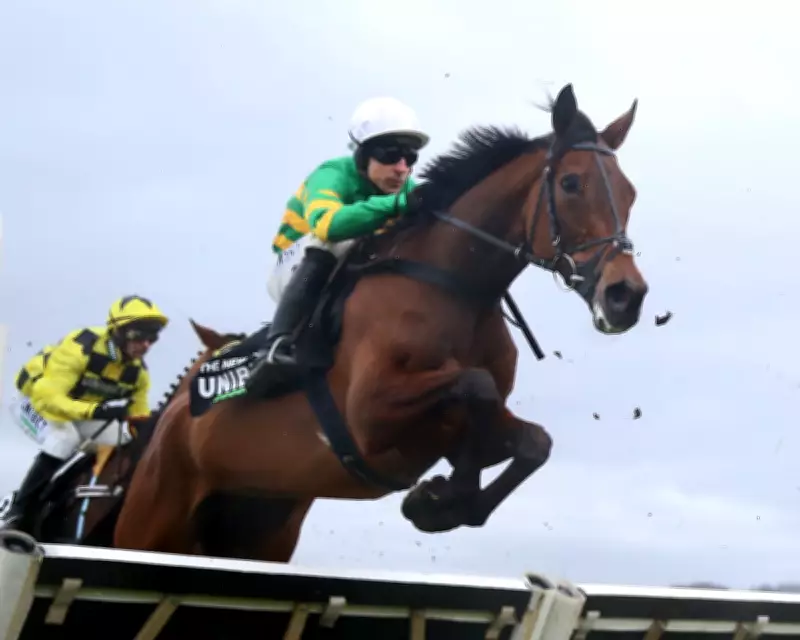
Cheltenham Festival: Racing's Leadership in Turmoil as Key Event Begins
The Cheltenham Festival, a premier event in the horse racing calendar, kicks off this week with the sport's leadership in disarray. Just six months after Lord Allen assumed the chair of the British Horseracing Authority, his departure has left the industry rudderless, sparking talks of a schism among key racecourses demanding greater influence. This backdrop of instability casts a shadow over the festival, which serves as a critical barometer for the health of British racing.
Attendance Woes and Financial Implications
Despite its popularity with off-course punters, the festival has faced a steady decline in live attendance over the past three seasons. In 2022, post-Covid crowds peaked at a record 280,627, but last year's total plummeted to 218,839, marking a 4.9% drop from 2024 and a stark 22% decrease from the peak. The first three days of the event have been particularly hard-hit, losing a quarter of their audience in just three years.
This decline is concerning because festival racegoers generate significantly higher turnover and profit per head compared to other meetings. Corporate clients in hospitality boxes and chalets contribute substantially to revenue, making each lost attendee in March a financial blow. Interestingly, Cheltenham's other fixtures have seen record crowds, such as the New Year's Day turnout of 44,151, which surpassed last year's Wednesday festival attendance of 41,949. However, these gains do not offset the losses from the marquee event.

Efforts to Revive the Festival Experience
In response to these challenges, Guy Lavender, who became Cheltenham's chief executive in January 2025, has implemented several measures to enhance the customer experience. Key changes include lifting the ban on alcohol on the lawns, introducing a covered food court in the tented village, and reducing beer prices slightly. Additionally, car park upgrades and initiatives to lower local accommodation costs are underway. With a full year to prepare for the 2026 festival, Lavender's efforts aim to attract back lost fans, and early indicators suggest promising results.
Irish Dominance and British Hopes on the Track
On the racing front, Irish-trained runners have dominated the festival for a decade, with the Prestbury Cup score standing at 175-101 in Ireland's favor since 2015. The last time Britain came close to a draw was in 2019 at 14-14. However, optimism is brewing for a home revival this year. Dan Skelton's The New Lion is the favorite for the Champion Hurdle, and Skelton also fields strong contenders like L'Eau Du Sud for the Champion Chase. With fewer odds-on shots expected compared to previous years, the British team, led by trainers such as Nicky Henderson and Paul Nicholls, appears deeper and more competitive.
Notable storylines include Harry Redknapp's The Jukebox Man, a King George winner poised to deliver a memorable performance in Friday's Gold Cup. While the festival's opening day may lack the excitement of Constitution Hill, who has moved to Flat racing, the overall mood is one of cautious optimism for British success.
Betting Trends and Festival Significance
The festival's importance is underscored by betting trends, with all 28 races now ranking among the top 35 most bet-on events annually. In contrast, traditional highlights like the Derby have fallen out of favor, failing to make the top 10 last year. This shift highlights how the Cheltenham Festival has become a central hub for punters, offering a concentrated burst of high-stakes action that drives the sport's economic engine.
As the festival unfolds, all eyes will be on attendance figures and race outcomes. While racing's leadership remains in chaos, the track at Cheltenham promises four days of thrilling competition, where dramatic exits will be confined to the horses and jockeys, offering a much-needed respite from the sport's broader struggles.