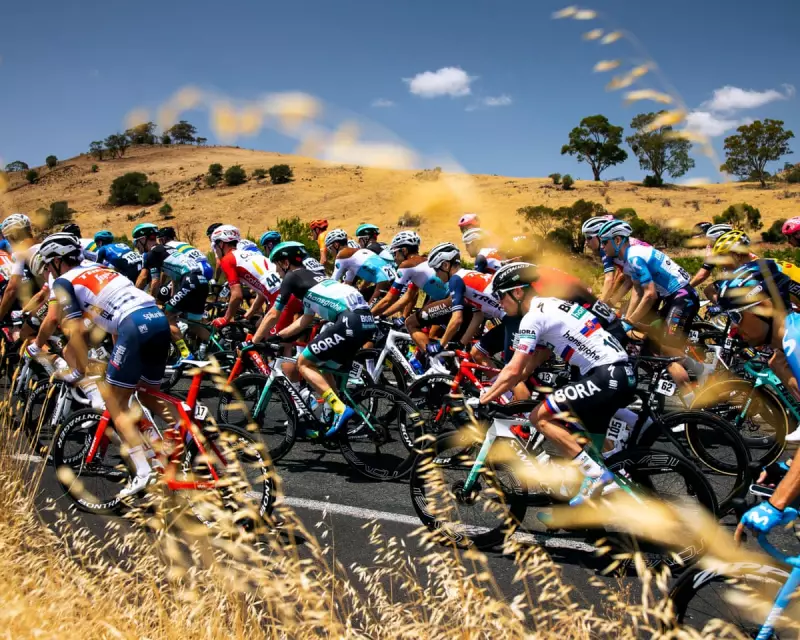
As the world's top cyclists converge on Adelaide for the Tour Down Under, Australia's sole WorldTour stage race, a local Olympian has expressed profound shame, comparing hosting the event to welcoming guests into a burning house.
The Unbearable Heat of Preparation
Maeve Plouffe, a two-time Olympian and Commonwealth Games champion, describes the gruelling reality of modern training: sealed inside a heat chamber while it's freezing outside. "Sweat rolls off my brow as my legs roll powerless beneath me," she writes, highlighting a punishing regimen that has shifted from a niche 'one percenter' to a non-negotiable for athletes.
This preparation is for conditions like those at the Tour Down Under, where Plouffe has raced since 2018. The science is stark: performing at peak intensity in extreme heat can cause drastic physical damage. In the 26 years since the race began in 1999, January days over 41C in Adelaide have almost tripled compared to the previous 26-year period.

A Race Animated by a Changing Climate
Plouffe's pride in showcasing her local roads is now tinged with embarrassment. She recounts a European rider, heat-cooked and dazed, drifting off the road into a ditch during her first Tour. "Heat cooks your senses," she states, noting reaction times crucial for safety are dangerously compromised.
The environmental backdrop has become a defining, and often disturbing, feature of the race. In 2021, she raced a criterium in Victoria Park with plumes of smoke rising from hills behind, creating a "strange feeling" of competing while part of her home was potentially aflame.
Cycling's governing bodies are implementing extreme heat protocols, but Plouffe points out an uncomfortable truth. Applying Cycling SA's policy of cancelling events over 37C would have already scrapped 25 Tour Down Under race stages. The race's future is on the line if temperatures continue to rise.
Beyond the Peloton: A Call for Systemic Change
The impact extends far beyond the athletes. The race drives vital cycling tourism into regional communities, which ironically bear the brunt of climate change effects. While athletes are trained to survive extreme conditions, Plouffe argues the focus must shift to addressing the cause, not just managing symptoms.
She calls on the South Australian government to use its platform from major events like the Tour Down Under, international tennis, and LIV Golf to steer sponsors and spectators toward sustainable choices. Her first demand is clear: replace the race's fossil fuel sponsorship, currently held by Santos. "You cannot sell health, human performance, and the future, while promoting businesses that actively undermine that future," she asserts.
Reflecting in the artificial heat of the training chamber, Plouffe identifies a cruel irony: the most coordinated sporting response to climate change so far is merely teaching athletes to endure it better. Her account is a powerful indictment from within the peloton, challenging the event and its backers to align their actions with the future they claim to celebrate.