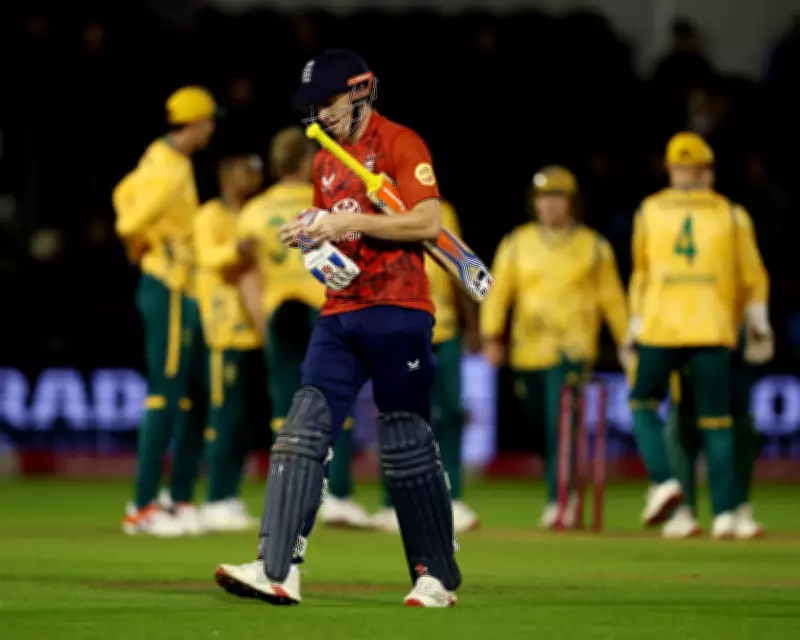
England's South Africa Tour Faces Major Scheduling Crisis
England's planned white-ball series in South Africa next year is under serious threat due to an escalating conflict with the SA20 franchise tournament, creating another flashpoint in the ongoing battle between international cricket and private franchise leagues.
Tour Schedule Collides with SA20 Window
England's men are scheduled to play three Tests, three one-day internationals and three Twenty20 matches in South Africa during the 2026-27 winter season. While dates for the prestigious Test series running from mid-December to January 7 are nearly finalized, the limited-overs portion faces significant uncertainty.
The white-ball games were intended as crucial preparation for the 2027 World Cup that South Africa will co-host, but they directly overlap with the SA20 tournament scheduled from January 9 to February 14. This clash has created an impossible situation for Cricket South Africa, which committed to the SA20 window over a year ago and has its top players under contract to participate.

Failed Negotiations and Limited Options
The England and Wales Cricket Board has reportedly rejected a proposal from Cricket South Africa to split the tour and play the white-ball matches in February after the SA20 concludes. This option is unavailable because England's men are already committed to playing two Tests in Bangladesh during that same period.
Cricket South Africa is now exploring whether SA20 team owners – all six of which are Indian Premier League franchises – might agree to delay the tournament's start by several days. This would potentially allow the three ODIs to proceed, though the three T20 matches would likely be postponed indefinitely due to their lesser relevance for World Cup preparations.
Precedent and Growing Concerns
This situation echoes a similar conflict in 2024 when South Africa sent a weakened squad to New Zealand for two Tests during the SA20 window, resulting in a 2-0 series loss. While that arrangement was permitted at the time despite technically violating regulations, the International Cricket Council is reportedly opposed to allowing another such compromise.
Even if a partial solution is reached, logistical challenges would remain. Major cricket grounds would be unavailable while being prepared for the SA20, forcing matches to secondary venues like Bloemfontein, Kimberley, Potchefstroom and Benoni.
Broader Implications for Cricket Calendar
This scheduling conflict represents a broader trend of shrinking windows for international cricket as boards increasingly sell calendar space to private investors. The situation highlights how franchise tournaments are gaining priority over traditional bilateral series, with players increasingly contracted to private leagues rather than national teams.
While England doesn't schedule matches during its own Hundred tournament, the calendar is becoming increasingly congested. This summer demonstrates the tight scheduling, with just two days between the Hundred's conclusion at Lord's on August 16 and the first Test against Pakistan at Headingley beginning August 19.
Under terms established last year, the ECB can no longer withdraw England players from the Hundred unless they are injured, creating potential fatigue issues for Test players who reach the tournament final.
The South Africa tour dilemma underscores fundamental questions about cricket's future direction, particularly how to balance lucrative franchise competitions with traditional international fixtures that have defined the sport for generations.