The Big Bash League (BBL) is riding a wave of renewed popularity, with stadiums filling up and broadcast audiences swelling. However, this domestic success story is unfolding against a backdrop of intense international pressure, as Cricket Australia seeks crucial private investment to ensure the league can keep pace with rival T20 competitions sprouting across the globe.
Record Crowds Amidst Global Competition
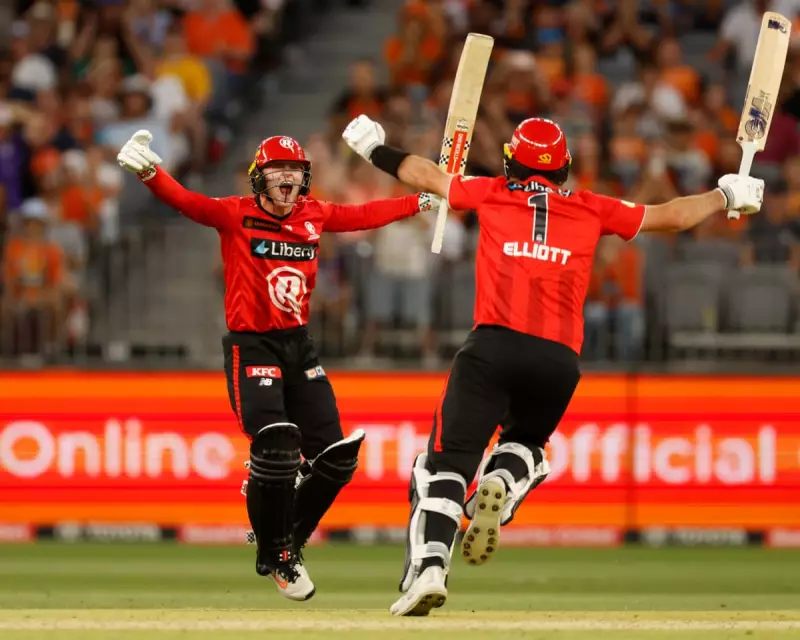
A spectacular Melbourne derby at the MCG provided the latest evidence of the BBL's resurgent appeal. A crowd of 68,124 fans – the league's highest attendance since 2017 – watched the Renegades triumph over the Stars. This was followed by nearly 38,000 spectators in Perth for the Scorchers' victory, creating a single-day competition record of 105,767 attendees.
This domestic fervour stood in stark contrast to events elsewhere on the same day. While major global competitors held their own finals, they struggled to match the BBL's atmosphere. The ILT20 final in Dubai saw a stadium well short of capacity, and a one-sided match in South Africa's SA20 league ended prematurely.

The Drive for Investment and Player Appeal
The push to open the BBL to private investors is driven by the urgent need to compete financially with these well-funded overseas leagues. Alistair Dobson, Cricket Australia's head of BBL and WBBL, acknowledges the salary race is critical but argues the Australian summer itself is a unique selling point.
"We're pretty competitive on salaries, albeit that's going to continue to be important for us," Dobson stated. "But you have to look out here at the MCG to see the quality of the experience that our players get... coming and playing in the Australian cricket summer is a massive selling point."
This appeal was evident in the journey of England's Sam Curran. After captaining the Desert Vipers to victory in the ILT20 final in Dubai, he flew directly to Sydney to join the Sixers, making his BBL debut days later. "I've never really had the time in terms of fitting [BBL] in the schedules," Curran said, "but as soon as the opportunity came... I'm thankful I got picked up."
A Critical Juncture for the League's Future
The coming weeks offer the BBL a golden opportunity to showcase its value. The return of Australia's Ashes heroes to their franchises will tap into national sporting pride, and television audiences are already soaring. Last week, BBL matches attracted an average of over 1 million viewers across four consecutive nights for the first time in seven years.
Dobson believes the league is reclaiming its place in the public consciousness. "15 years old is still a young league... but we're now seeing second generations of fans come through," he noted, citing quality players and high-scoring games as key factors.
Yet, the future model remains uncertain. Cricket Australia is in delicate negotiations with state bodies and the players' association to allow investment from global elites, including owners of franchises in the IPL, The Hundred, and rival leagues. This would necessitate a fundamental rethink of Australian cricket's structure.
The potential for growth is clear. The presence of global stars like Pakistan's Babar Azam draws significant crowds from diverse communities, and the brief signing of Indian veteran Ravi Ashwin (who withdrew injured) points to untapped markets. "As the BBL is in an evolution from being perhaps a domestic league into a global one... the future for us is getting a balance of global and domestic," Dobson concluded.
While the Big Bash League's current momentum is undeniable, its long-term trajectory hinges on navigating the complex financial and structural challenges of an increasingly crowded global T20 landscape.