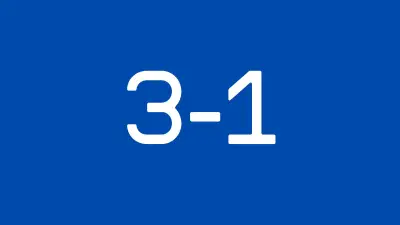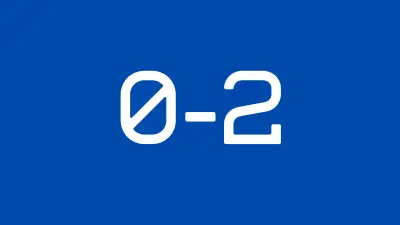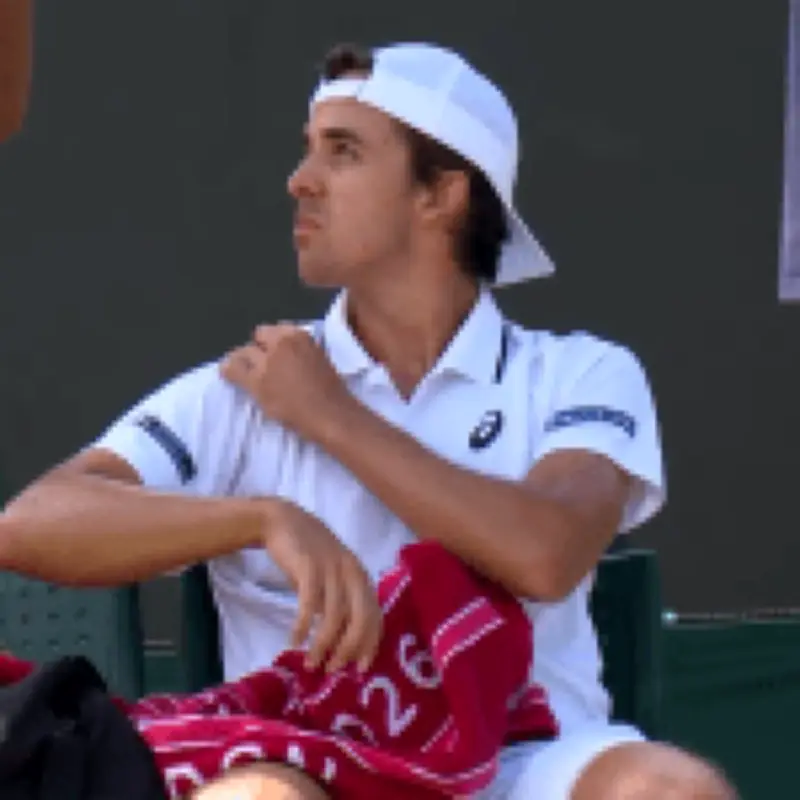
American tennis player Zachary Svajda faced accusations of abusing the sport's medical timeout rules during his Wimbledon third-round defeat to fifth seed Alex de Minaur on Court Three. Making his main-draw debut at the All England Club, the 23-year-old battled back to win the second set but ultimately fell 6-2, 5-7, 6-2, 6-4.
With Svajda trailing by two breaks in the third set, he called for the physio and received a medical timeout for an issue around his hamstring and adductor area. After lengthy treatment, he resumed play but could not prevent De Minaur from serving out the set.
Cash's criticism of medical timeout
BBC pundit and former Wimbledon champion Pat Cash condemned the timeout during commentary, arguing that Svajda's issue was simply fatigue rather than a genuine injury. 'Personally, I am against this medical timeout unless you've done an injury,' Cash said. 'Because this is loss of condition, this is muscles getting tired, and you're not supposed to have a medical timeout for that.'
Cash urged doctors to refuse such requests: 'I am so against this, the doctors need to stand up and go, no, this is not an injury.' He proposed stricter rules: 'Here's what the rule should be: anything beyond the fourth set in the men's, unless you twist your ankle or roll something or run into the net post or whatever, you shouldn't get a MTO. As simple as that. Because it's tiring, you get tired.'
Fellow commentator Todd Woodbridge responded, 'He's a tough man, folks. Pat Cash.' But Cash pushed back: 'No, because this changes the momentum of the game and it's against the rules.'
ATP medical timeout rules
According to the Grand Slam rulebook, a medical timeout is limited to three minutes of treatment, and a player is allowed one timeout per distinct treatable medical condition. Muscle cramping does not qualify for a medical timeout; players may receive treatment for cramping only during changeovers or set breaks. All clinical manifestations of heat illness count as one condition, and treatable musculoskeletal injuries in a kinetic chain continuum are also considered one condition.
Cash also criticized the rule allowing players to catch a wayward ball toss and restart their serve. 'The ball tosses are the other mysterious one for me, it's absolutely ridiculous,' he fumed. 'You've started the point, the shot clock has gone off, the ball is in the air and in play and yet you're allowed to catch.' He called for the International Tennis Federation to implement a rule that once the ball is thrown, the point begins.
Impact on the match
Svajda's medical timeout came at a crucial juncture, with De Minaur leading 4-1 in the third set after breaking serve twice. The American had fought back from a set down, winning the second set 7-5, but lost momentum after the injury break. De Minaur served out the third set 6-2 and closed the match in the fourth, advancing to the fourth round.