Northern Leaders Champion Multi-City Olympic Bid for 2040 Games
Political leaders across northern England are making a compelling case for a groundbreaking multi-city bid to host the 2040 Olympic and Paralympic Games. They argue this ambitious proposal represents exactly what Britain requires at this moment in time to address regional inequalities and showcase the nation's sporting heritage beyond the capital.
A Regional Approach to Global Sporting Events
In a significant development, eleven northern political figures have formally written to Culture Secretary Lisa Nandy, urging government backing for their visionary proposal. The plan envisions hosting the Games across multiple northern cities within a region encompassing approximately fifteen million residents. This approach aligns with the International Olympic Committee's increasing preference for multi-city events rather than single-location hosting.
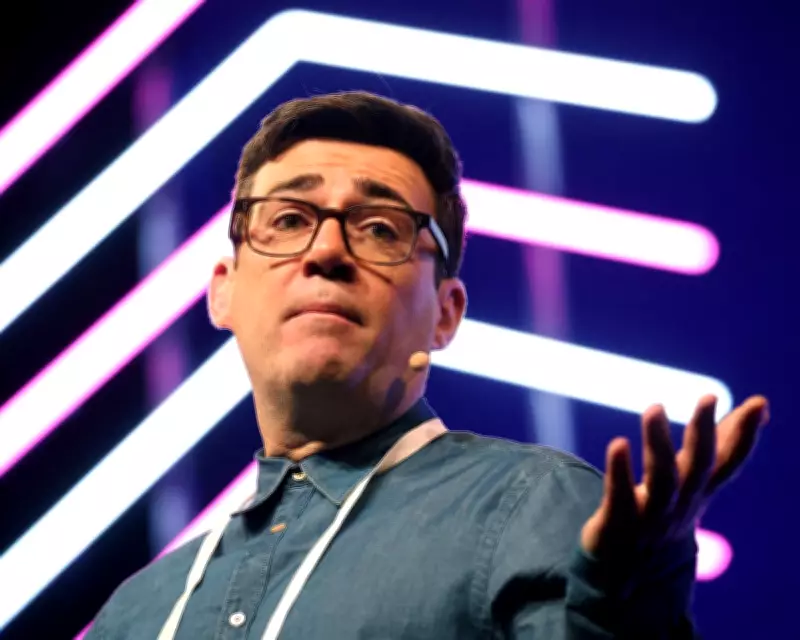
Andy Burnham, the Mayor of Greater Manchester, has emerged as a particularly vocal advocate for this northern initiative. He recently stated that another London-hosted Olympics "wouldn't be fair or right" given that the capital has already staged the Games three times previously. Burnham emphasised that a northern bid represents "what Britain needs right now" to rebalance national investment and opportunity.
Addressing Regional Disparities
The proposal comes against a complex political backdrop where Labour faces significant challenges in its traditional northern heartlands. Mayors supporting the bid believe Prime Minister Keir Starmer might recognise the political advantages of championing a northern Olympic project, particularly as Reform UK makes substantial electoral gains in regions that have historically supported Labour.
Steve Rotheram, Mayor of the Liverpool City Region, framed the proposal as addressing fundamental regional inequalities. He described a northern Games as offering a "once-in-a-lifetime chance to bring the Olympics closer to ordinary communities that have too often felt like they've been left out of the national story." This sentiment echoes throughout the campaign, positioning the bid as both an economic regeneration opportunity and a symbolic rebalancing of national attention.
Sporting Heritage and Economic Regeneration
Northern leaders point to the region's substantial sporting credentials as evidence of its suitability to host a global event. They highlight Sheffield's status as the birthplace of modern football, where the original rules were codified in 1858, alongside numerous world-class sporting venues already operating across the north. The proposal's supporters argue this existing infrastructure, combined with the region's passionate sporting culture, creates an ideal foundation for a successful Olympic bid.
Sir Brendan Foster, the former world record holder and founder of the Great North Run, added his considerable sporting authority to the campaign. He emphasised the importance of achieving "a fairer distribution of major international sporting events across the country" while acknowledging that iconic London-based events like Wimbledon and the London Marathon rightly hold their place in the national consciousness.
Learning from London's Legacy
Proponents of the northern bid acknowledge they must carefully navigate the complex legacy of the 2012 London Olympics, which serves as both inspiration and caution. The London Games ultimately cost nearly £8.8 billion, significantly exceeding initial estimates, while accelerating gentrification processes in surrounding neighbourhoods. Recent research has characterised the London Olympic legacy as a "cautionary tale" for local communities, a lesson northern leaders say they would incorporate into their planning.
Luke Campbell, the Reform UK Mayor of Hull and East Yorkshire who won Olympic boxing gold in 2012, offered a unique perspective bridging sporting achievement and regional development. He reflected on how the London Games united the nation, while arguing that "bringing the Olympics to the north isn't just about sport. It's about giving our kids something to aim for, creating real opportunities and showing the world what this part of the country has to offer."
Government Response and Next Steps
The Department for Culture, Media and Sport has maintained a cautious position regarding the proposal. While acknowledging Lisa Nandy's commitment to distributing cultural events more evenly across the UK, officials declined to confirm whether the government would formally endorse the northern bid. A spokesperson indicated this decision ultimately rests with the British Olympic Association, which oversees UK Olympic bidding processes.
Northern leaders remain optimistic about their prospects, particularly given the IOC's evolving approach to hosting arrangements. They describe their proposal as a "once-in-a-generation opportunity to accelerate regeneration, rebalance the economy, and reset international perceptions of England" beyond the traditional London-centric narrative that often dominates global perceptions of the United Kingdom.