After twelve long years navigating the turbulent waters of London's rental market, I had developed a particular image of landlords in my mind. They were distant, often anonymous figures—mere initials on a contract who held unsettling power over my living situation. Communication typically flowed through managing estate agents or sparse emails, reinforcing their role as frightening spectres of potential displacement at short notice. This perception, however, underwent a dramatic transformation one freezing March night in 2023 at a house party in Dalston, east London.
The Unexpected Revelation
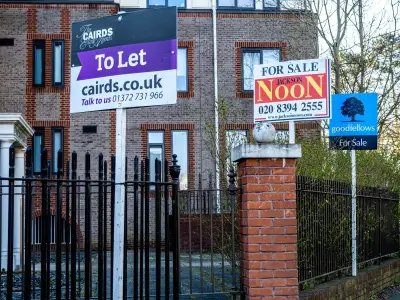
Upon arriving at the party, I casually chatted with a man I had never met before. He introduced himself as a friend of the host's new boyfriend, appearing slightly older with unremarkable brown hair and an awkward demeanor. Our small talk covered typical topics: where we were from and mutual acquaintances. He mentioned being based in France but owning a house in south-east London. When he named the exact road where I had previously lived, I laughed and inquired about the specific number.
As he mouthed the precise number of my former home, a horrifying realization dawned. I was speaking directly to my former landlord. Overwhelmed by the serendipity, I immediately identified myself, exclaiming, "It's me! Ruby. Your former tenant!" His response was bemused, with only a vague recollection of my name. Then came his pointed question: "I was a pretty good landlord, no?"

The Internal Conflict
In that moment, I felt the familiar weight of hierarchy descend upon our conversation. Internally, I wanted to articulate the truth: that being a "good" landlord is relative when one profits from passive income while tenants lack security and assurance. Yet what actually escaped my lips was a meek "Yeah!" This response troubled me deeply. Despite years of advocating for renters' rights, face-to-face with a real-life landlord, I reverted to a pathetic compliance.
My housemates and I had moved out of that property after the pandemic, seeking a change of scenery post-lockdown. Although we departed without bad blood, this conversation triggered anxiety about housing insecurity. My mind raced with hypothetical solutions—perhaps he would let me live there again at a reduced rent.
The Reality of Rental Imbalance
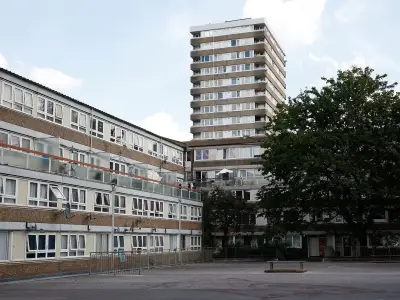
The landlord-tenant relationship should theoretically be reciprocal: they need your rent, you need their house. However, reality paints a far more imbalanced picture. Property values and rents continue to soar astronomically, while private tenants endure the worst housing conditions across all tenure types. On average, renters devote 36% of their income to housing costs.
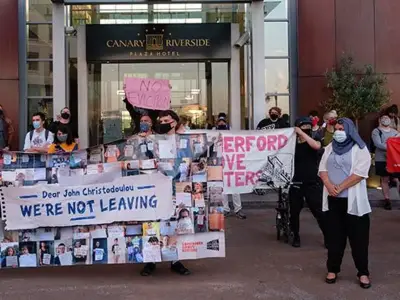
While no-fault evictions—a leading cause of homelessness—will be abolished in England soon (following Scotland's 2017 ban), landlords retain multiple avenues to remove tenants easily. I have personally experienced two section 21 no-fault evictions: once when my landlord needed to sell and again when they attempted to raise the rent by £850 monthly. The lingering fear of premature displacement persists, compounded by the unattainability of home ownership. The average first-time-buyer property now costs approximately 5.9 times the average income.
Legislative Limitations
Under the new Renters' Rights Act, tenants can challenge "unfair" rent increases, but "unfair" is narrowly defined as exceeding market rates. Landlords can also evict tenants if they intend to move family members into the property, though regulation of this provision remains unclear. These loopholes maintain significant power imbalances in the rental market.
A Transformative Perspective Shift
Initially, I regretted my cowardly response to my former landlord's question. Yet in the following days, I began to view the interaction differently. Landlords had become unchallengeable villains in my mind—often unseen but capable of disrupting my life on a whim. That night revealed their humanity: they are normal, slightly awkward, party-going individuals.

This realization empowered me profoundly. Meeting my old landlord in person provided the confidence to stand up for myself in an objectively unfair system. I learned to make challenges when necessary and to assert my rights knowledgeably. Subsequently, I have successfully resisted rent increases from other landlords and assisted fellow renters in negotiating against unfair eviction notices and rent hikes.
Empowerment Through Education
I now advise friends with the wisdom I wish I had possessed earlier: ask for what you need, push back against unreasonable demands, educate yourself thoroughly, and remain prepared. Landlords walk among us—they are not mythical monsters but human beings. Recognizing this has transformed my approach to renting from one of fear to one of empowered advocacy.
The rental market remains deeply flawed, with systemic issues requiring urgent address. However, personal encounters like mine demonstrate that changing perspectives can foster individual resilience and collective action among tenants. By humanizing both sides of the landlord-tenant dynamic, we can work toward more equitable housing solutions while navigating the current challenges with greater confidence and solidarity.