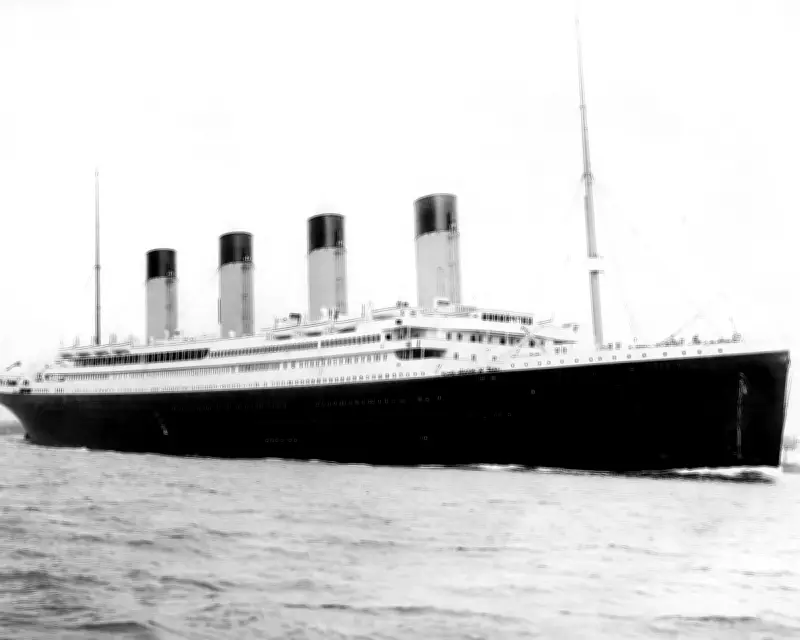
The United States government has formally opposed the upcoming auction of more than 5,000 artifacts recovered from the Titanic shipwreck, arguing that the collection should remain intact and accessible to the public rather than sold to private bidders.
In a legal filing submitted to a federal court in Virginia on Monday, the Department of Justice stated that the auction would violate a 1987 agreement that required the artifacts to be kept together and made available for educational and historical purposes. The government seeks to block the sale, which is scheduled for July 2026.
Background of the dispute
The artifacts are owned by RMS Titanic Inc., the company that has exclusive salvage rights to the wreck site. The company has faced financial difficulties and plans to sell the entire collection to a single buyer. The US government argues that the artifacts are part of a maritime heritage that belongs to the world and should not be dispersed.
“The Titanic is a site of great historical and cultural significance, and its artifacts must be preserved for future generations,” the filing said. The government also noted that the wreck is a gravesite for more than 1,500 people, adding an ethical dimension to the sale.
Details of the auction
The collection includes items ranging from personal belongings such as jewelry and clothing to parts of the ship itself. Among the highlights are a pocket watch that stopped at the time of the sinking, a first-class menu, and a piece of the ship’s hull. The auction is expected to fetch tens of millions of dollars.
RMS Titanic Inc. has argued that the sale is necessary to repay debts and that a single buyer could still maintain the collection’s integrity. However, the government contends that private ownership could lead to the artifacts being locked away or sold piecemeal.
Legal and historical context
The dispute dates back to the 1990s, when the US government first intervened to protect the wreck site. The 1987 agreement required RMS Titanic Inc. to preserve the collection and make it accessible for research and exhibits. The company has since displayed the artifacts in museums worldwide.
“This is not just about property rights; it is about honoring the memory of those who perished,” said a spokesperson for the National Maritime Museum. The court will hear arguments in July, with a decision expected before the auction date.