Move over Taylor Swift and Harry Styles, there's a new, unexpected star captivating Generation Z on TikTok: former Prime Minister Theresa May. The Conservative peer, who resigned in 2019, is now the subject of a wave of viral videos on the platform, racking up tens of thousands of likes from a demographic that was barely politically aware during her tumultuous premiership.
From 'Maybot' to Muse: The Anatomy of a Viral Trend
Search for Baroness May on TikTok and you won't find policy debates or clips of her speeches. Instead, the platform is flooded with surreal, often ironic edits. These videos repurpose footage of her now-infamous dancing or her purposeful walks, set to popular music, in a style typically reserved for K-pop idols or Hollywood celebrities. The comments are a mix of genuine admiration and ironic appreciation, with users describing her as a "wonderful" and "underrated" leader, even from some Labour supporters.
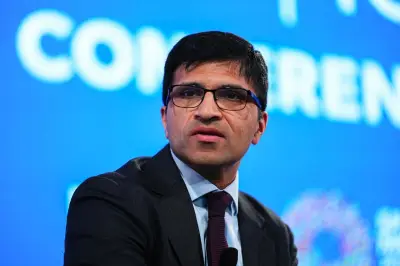
According to Dr Steven Buckley, a Lecturer in Media Digital Sociology at City St George’s University, this phenomenon can be explained as 'defensive fandom'. "The person creating the content does not want to acknowledge they’re a fan, but they’re acknowledging that Theresa May has valuable things to say or that they admire her principles," he explained. "They’re not necessarily emotionally connected with the celebrity, but they just want to acknowledge that this person may deserve a second look."

Nostalgia for a 'Simpler' Political Era
For many young TikTok users, their political awakening coincided with the Brexit fallout, the chaotic premierships of Boris Johnson, and the tenure of Rishi Sunak. In hindsight, May's era is being reframed. "Society seemed to be on one track and then the pandemic flipped a lot of that," Dr Buckley noted. "You’ve now got a new generation... who want to go back to 'simpler times'. That simpler time happened to be when Theresa May was in office."
Her record on LGBTQ+ rights is frequently highlighted by this new audience. As Prime Minister, she pledged to reform transgender rights and launched a ban on conversion therapy—stances that contrast with some of her successors. Comments praise her as a "compassionate and socially-liberal" figure within the Conservative Party.
The 'Conservative Algorithm' and 'Weird Posting'
Experts point out that TikTok's algorithm is more receptive to political content than platforms like Instagram or Facebook, and it has a noted tendency to promote right-leaning viewpoints. Alessia Bacigalupo, a political psychology researcher at Kent University, states that conservative online spaces are larger, drawing in younger men in particular. This ecosystem has also boosted the visibility of other conservative women leaders like Angela Merkel and Giorgia Meloni.
However, not all the edits stem from political admiration. Dr Buckley suggests much of the activity is simply 'weird posting'—adopting fan-edit techniques for an incongruous subject to generate engagement. The very traits she was mocked for, like her awkward 'Maybot' demeanour, are now seen by some as authentic quirks.
Does Online Fame Translate to Real-World Influence?
Despite the online buzz, this trend has not revived May's personal popularity ratings, which have remained around 20% for years according to YouGov. Dr Buckley describes these videos as "very shallow pieces of content" and the engagement as "vanity metrics."
While TikTok can mobilise support for clear political campaigns—as seen with figures like Zohran Mamdani in New York—the impact here is more cultural than electoral. "It doesn’t matter how kind of snazzy your TikToks are, if the fundamental content is boring to the people that you’re trying to win over, then you’re not going to succeed as a politician," Buckley concluded. For now, Theresa May's TikTok stardom remains a fascinating, if surreal, footnote in the ever-evolving relationship between politics and internet culture.