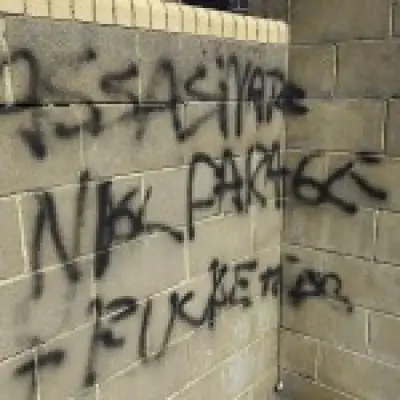
When former President Donald Trump granted refugee status to white South Africans, he was not merely making a political gesture. He was amplifying a dangerous and false narrative that has gained traction among far-right circles in the United States. This myth suggests that white South Africans face systematic persecution and revenge from Black citizens for the brutalities of apartheid, a claim thoroughly debunked by evidence and historical context.
The Origins of a Fabricated Narrative
The idea of white persecution in post-apartheid South Africa stems from a distorted interpretation of the country's complex social dynamics. Proponents of this myth often point to isolated incidents or exaggerated statistics to argue that white farmers, in particular, are targeted in a campaign of retribution. However, this overlooks the broader reality: South Africa remains a nation grappling with high crime rates and economic inequality that affect all racial groups, not a state-sanctioned purge of white citizens.
Trump's Role in Propagating the Falsehood
By offering refugee status, Trump lent official credibility to this baseless claim, echoing rhetoric that has been promoted by extremist groups and online forums. This move was not based on factual assessments but rather on aligning with a narrative that resonates with certain segments of the American far right, who see it as part of a larger global struggle against perceived demographic changes.

Critics argue that such actions undermine the genuine challenges faced by South Africans, including the legacy of apartheid and ongoing issues with governance and law enforcement. The focus on a fabricated persecution distracts from the real problems of a repressive police state, where human rights abuses and lack of accountability impact everyone, regardless of race.
The Reality of South Africa's Police State
South Africa's history as a police state under apartheid has left deep scars, but the current system continues to exhibit repressive characteristics. Reports from human rights organizations highlight excessive use of force, corruption, and failures in the justice system that harm all citizens. No one flourishes in such an environment, as it stifles freedom, economic opportunity, and social cohesion.
This context is crucial for understanding why the myth of white persecution is so misleading. It ignores the systemic issues that plague the nation, instead framing complex socio-political realities in simplistic, racialized terms. By doing so, it not only misrepresents South Africa but also fuels divisive politics abroad.
Broader Implications for Global Politics
The adoption of this myth by the US far right reflects a growing trend of importing foreign narratives to serve domestic ideological purposes. It demonstrates how misinformation can cross borders, influencing policy and public opinion in ways that have real-world consequences. In this case, it has led to misguided refugee policies and heightened tensions, both within the United States and in international relations.
Ultimately, the story of white South African persecution is a cautionary tale about the power of false narratives in shaping political discourse. As debates continue, it is essential to base discussions on facts and a nuanced understanding of history, rather than myths that serve to divide and distort.