Downing Street has robustly defended its high-profile campaign to secure the release of a British-Egyptian political activist and its subsequent decision to welcome him to the United Kingdom, despite the emergence of what it termed "abhorrent" social media posts he made over a decade ago.
A Political Storm Over Historic Posts
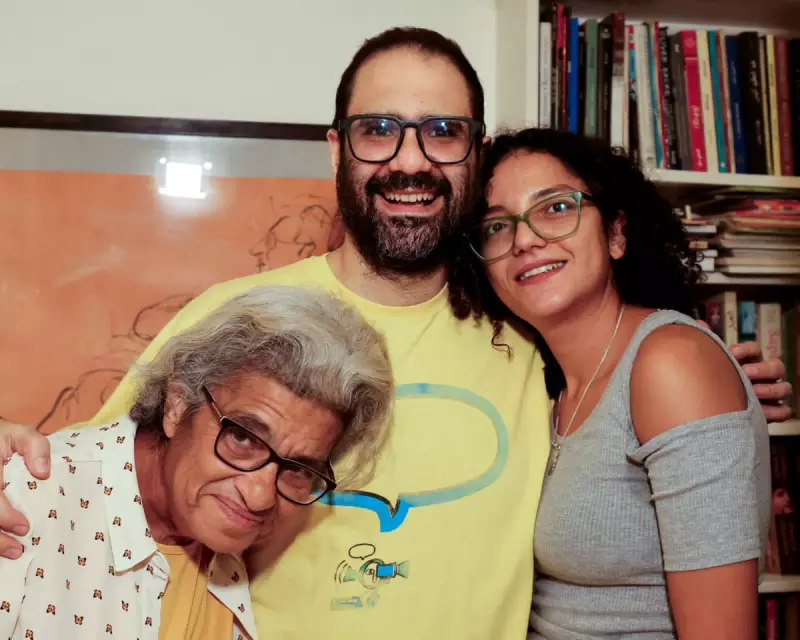
Alaa Abd el-Fattah, a prominent figure in Egypt's 2011 Arab Spring uprising, arrived in London on Boxing Day following years of diplomatic pressure by successive UK governments. His release, however, quickly ignited a political controversy after past tweets were unearthed, including ones in which he made inflammatory comments about Zionists and others.
The activist, who spent nearly ten years imprisoned in Egypt for his political beliefs and advocacy, issued an apology, stating he regretted the "expressions of a young man’s anger and frustrations" during a period of regional conflict. He apologised "unequivocally" for the posts after opposition figures called for his deportation and for his British citizenship to be revoked.

Government and Cross-Party Response
The Prime Minister's official spokesperson confirmed that Keir Starmer was "delighted" by Abd el-Fattah's arrival but had not been aware of the historical tweets until after the activist had entered the UK. The spokesperson stated: "We welcome the return of a British citizen unfairly detained abroad, as we would in all cases... That is central to Britain’s commitment to religious and political freedom. It doesn’t change the fact that we have condemned the nature of these historic tweets and we consider them to be abhorrent."
The case has raised questions about the vetting process before Abd el-Fattah was granted British citizenship in 2021 through his mother, a route which government sources indicated may not have required standard character checks. Both the Conservative Party and Reform UK have suggested he should be removed from the UK, though legal experts argue there are no clear grounds for such action.
Other MPs advocated for a more measured response. Emily Thornberry, Labour chair of the foreign affairs select committee, condemned the tweets but argued against revoking his nationality, noting he had spent most of a decade jailed "just for campaigning for human rights and democracy." Labour MP John McDonnell described the posts as the product of a "furious young man" and highlighted Abd el-Fattah's journey to becoming an advocate for universal human rights.
Broader Implications and Activist's Apology
In a detailed apology issued, Abd el-Fattah expressed understanding of how "shocking and hurtful" his previous comments were, attributing some to online insult battles and the turbulent political context of wars in Gaza, Lebanon, and Iraq. He stressed he took "accusations of antisemitism very seriously" and had always opposed sectarianism and racism.
Human rights organisations have warned against the politicisation of citizenship. Dan Dolan of Reprieve stated that suggesting someone be stripped of citizenship for social media posts "is authoritarian overreach of the worst kind and a deeply dangerous step."
The Foreign Office is now examining issues raised by the handling of the case, which saw figures including former Prime Ministers Boris Johnson and Rishi Sunak campaign for his freedom. The episode underscores the complex intersection of human rights advocacy, diplomatic negotiation, and the scrutiny of an individual's past in the digital age.