Emergency Legislation Targets Overseas Political Funding and Cryptocurrency Donations
The UK government has taken decisive action to safeguard the integrity of the country's electoral system by introducing strict new caps on political donations from British citizens living abroad. In a move that will have significant repercussions for political parties, particularly Reform UK, overseas donations will be limited to a maximum of £100,000 per year, effective immediately. Additionally, a temporary ban on all political donations made in cryptocurrency has been implemented as part of these emergency measures.
Retroactive Application to Address Urgent Threats
Communities Secretary Steve Reed announced that the legislation, included in the new representation of the people bill, will be applied retrospectively from Wednesday, pending parliamentary approval. Reed emphasized the urgency of the situation, stating that the government is "not prepared to allow any window of opportunity for malign actors" to interfere with UK democracy. The retroactive application ensures that no loopholes exist for potential exploitation during the legislative process.
Direct Impact on Reform UK's Funding Sources
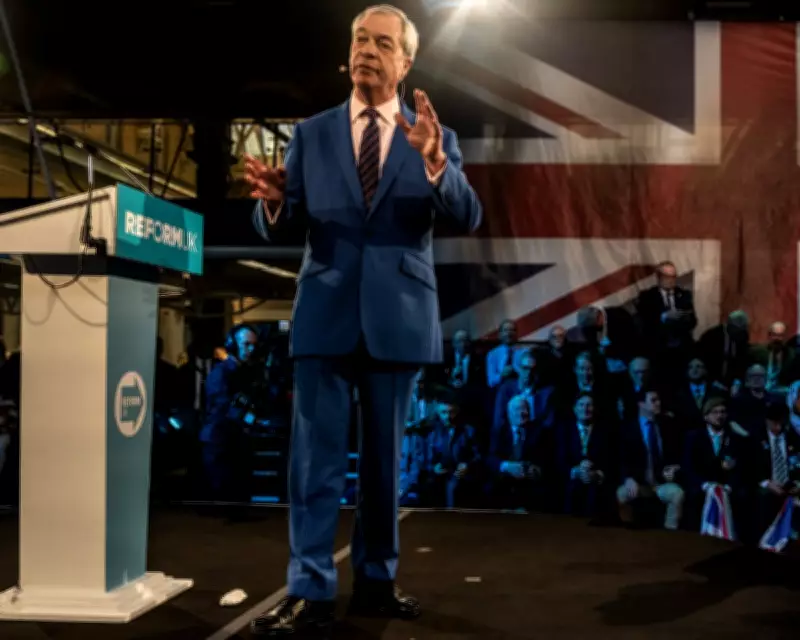
These measures represent a substantial blow to Reform UK, which has relied heavily on overseas donations in recent years. The party has received approximately £12 million in the past year from Thailand-based mega-donor Christopher Harborne alone, along with additional funding from donors based in Monaco. Reform UK also stands out as the only major political party to have accepted donations in cryptocurrency, though none exceeding the £11,180 declaration threshold have been officially reported to date.

Recommendations from Philip Rycroft's Review
The emergency actions follow recommendations from Philip Rycroft, a former senior civil servant who conducted a comprehensive review of political donation risks. Rycroft warned that overseas donations present greater challenges for tracing and regulation compared to domestic contributions, creating vulnerabilities that could be exploited by hostile foreign states such as Russia, China, and Iran. He also highlighted concerns about fairness, noting that overseas donors may not be subject to the same tax requirements as UK residents.
Rycroft's review was commissioned after the conviction of former Reform UK politician Nathan Gill for accepting bribes from Russia-linked sources. In his report, Rycroft stated he was "not pressing the panic button but I am ringing the alarm bell" about the growing risk of foreign interference in British politics.
Additional Safeguards and Future Considerations
Beyond the immediate caps and bans, Rycroft's recommendations include several other measures to strengthen political funding transparency:
- Requiring third-party campaigners to declare donations throughout the year, not just during election periods
- Implementing more stringent checks on the source of political donations, similar to financial industry know-your-customer requirements
- Preventing donations from shell companies by ensuring funding comes from post-tax profits rather than revenue
- Mandating that foreign consultant lobbyists join the official register, closing current VAT-based exemptions
- Banning foreign-funded political advertisements entirely
The report also suggested that Parliament consider lowering the £11,180 threshold for donation declarations and examine potential risks from foreign-based betting markets and biased polling designed to sway voters at critical democratic moments.
Cryptocurrency Moratorium and Regulatory Catch-up
Regarding cryptocurrency donations, Rycroft recommended a temporary moratorium rather than a permanent ban, acknowledging that regulators need time to develop appropriate frameworks. He expressed concern that "crypto assets could be used as a vehicle to channel in foreign money" and advised that the ban should remain in place until Parliament and the Electoral Commission are confident that effective regulations are established.
The government's swift action reflects growing concerns about the vulnerability of democratic processes to external influence and marks a significant shift in how political funding will be regulated in the United Kingdom moving forward.