The UK government under Prime Minister Keir Starmer has granted full planning approval for China's controversial new 'mega' embassy in London, concluding months of diplomatic negotiations and local protests. The decision, confirmed on Tuesday 20 January 2026, was made by Communities Secretary Steve Reed and paves the way for a significant new diplomatic complex near the City of London.
Security Concerns and Political Opposition
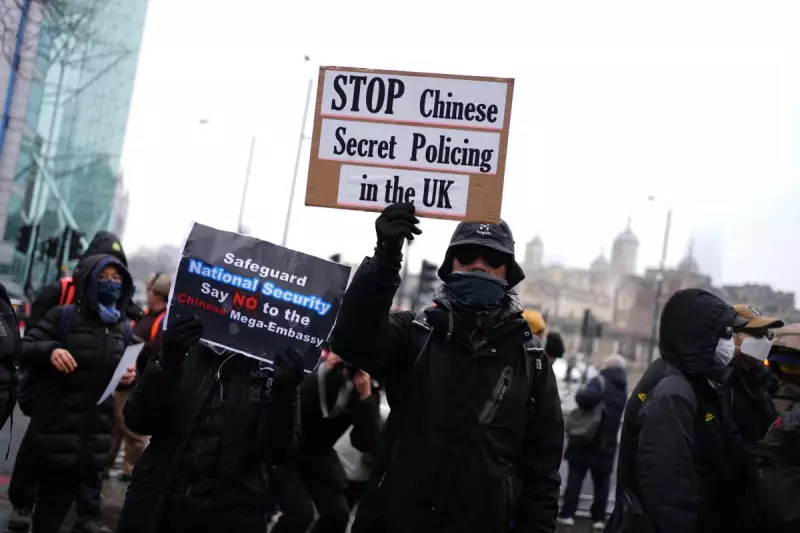
The approval for the embassy at the Royal Mint Court site has ignited fierce debate over national security. Protesters and critics have warned that the facility could pose a threat to Uyghurs, Tibetans, Hong Kongers, and Chinese dissidents who have sought asylum in Britain. Furthermore, the site's proximity to critical fibre optic cables connecting the City to Canary Wharf has alarmed former security officials.
Political opposition has been swift and cross-party. Reform UK, the Liberal Democrats, and the Conservatives have all voiced strong opposition to the project. Notably, Tory MPs Alicia Kearns and Tom Tugendhat have been vocal critics, especially following the collapse of a Chinese spy case last year involving Christopher Cash and Christopher Berry. Several Labour MPs, including Sarah Champion, have also opposed the move.

Legal Challenges and Expert Views
The government now faces the prospect of a legal battle. Local campaigners are expected to seek a judicial review, with planning expert Lord Banner KC poised to act as their lawyer. The City of London Corporation has expressed its nervousness about the perceived threat from China.
However, not all security experts share the same level of concern. Ciaran Martin, the former head of GCHQ’s National Cyber Security Centre, argued in The Times that focusing on one area of cables was simplistic. He stated that defending London's vast and sensitive infrastructure is a complex, city-wide task and implied the Prime Minister would not have overridden security service advice.
Diplomatic Context and Next Steps
The approval arrives just ahead of an anticipated trip to Beijing by Keir Starmer, who is expected to be accompanied by UK business leaders aiming to boost trade ties. The decision highlights the delicate balance the government is attempting to strike between engaging with a major economic power and addressing serious security and human rights concerns raised by parliamentarians, allies like the White House, and the public.
With the planning permission secured, the focus now shifts to whether legal challenges will succeed in blocking the project and how the construction of one of China's largest overseas diplomatic posts will proceed in the heart of the UK's financial district.