Federal Judges Reverse Block on Trump's $400 Million White House Ballroom Project
A panel of federal judges has ruled that construction on President Donald Trump's controversial $400 million White House ballroom can resume, overturning an earlier injunction that had halted the massive project. The decision comes after a legal battle over the administration's authority to proceed with the lavish renovation without explicit congressional approval.
From Court Block to Construction Green Light
Earlier this month, Federal Judge Richard Leon issued a ruling to stop construction on the demolished East Wing, declaring that Congress needed to approve the ballroom and accusing the Trump administration of not following proper procedures. The project had begun in October following the surprise destruction of the historic East Wing structure.
Now, the judicial panel has permitted construction to continue with specific stipulations. They have requested additional information regarding whether pausing the ballroom's construction genuinely poses a national security risk, as President Trump has vehemently claimed.

Trump's National Security Defense
In response to the initial block, President Trump launched a blistering defense of his prized 90,000-square-foot ballroom, asserting it was vital for presidential security. He emphasized that the facility would be equipped with a 'drone-proof roof' and other advanced technological features.
Reading from prepared notes during a meeting with reporters in the Oval Office, Trump explained the project was fundamentally a matter of presidential security. 'All I am doing is fixing, cleaning, running, and 'sprucing up' a terribly maintained, for many years, Building,' he wrote on Truth Social regarding the ballroom's construction.
The President detailed that the ballroom would include not only the drone-proof roof but also sophisticated 'air-handling systems' and 'biodefense all over'. He argued the facility was necessary to host large events for world leaders and other distinguished guests, claiming that temporary ballroom tents were insufficient due to Washington's wet grass conditions.
'King Charles, who's a great guy. We don't want him to sit in a pool of water,' Trump added, highlighting his concerns about diplomatic hospitality.
Legal Arguments and Architectural Ambitions
In a filing on Thursday, lawyers for the Justice Department supported Trump's position, warning that a pause in construction would 'gravely threaten national security'. This legal argument appears to have influenced the judicial panel's decision to allow construction to proceed while they review the national security implications more thoroughly.
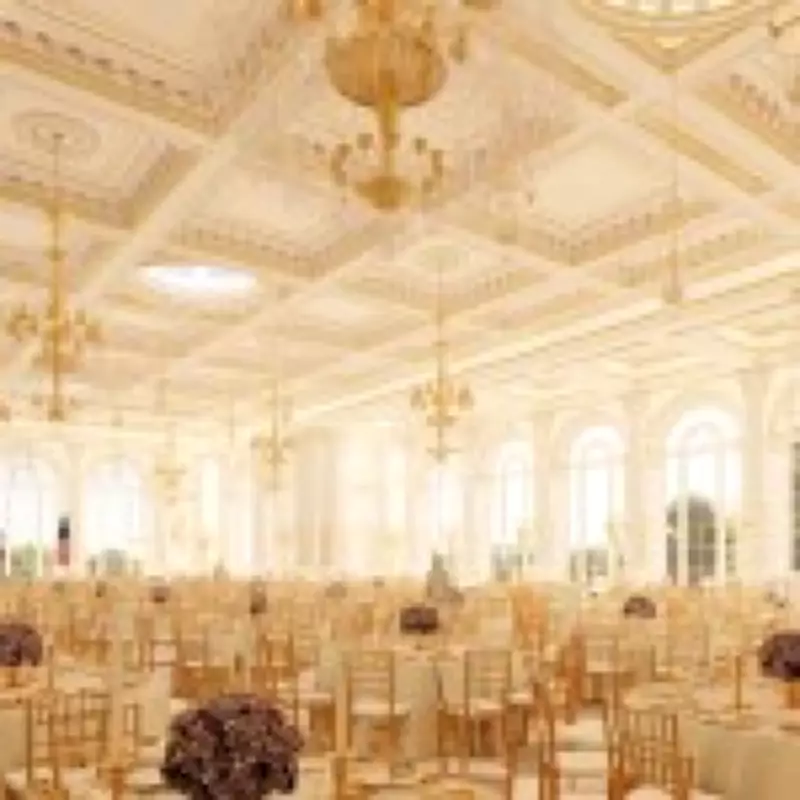
The ballroom project represents just one aspect of Trump's broader vision for transforming the White House. Concept images reveal the lavish ballroom will feature floor-to-ceiling white and gold decorations, matching the President's current shiny Oval Office decor. Last month, it was revealed that Trump is hoping to replace the White House's Ionic columns with Corinthian ones—his latest bid to transform the executive residence into more of a Trump-esque 'palace.'
Rodney Mims Cook Jr., the Trump-appointed head of the federal arts commission, has proposed replacing the four columns with the Corinthian style, which is featured on the U.S. Capitol and Supreme Court buildings. 'Corinthian is the highest order [of column], and that's what our other two branches of government have,' Cook said. 'Why the White House didn't originally use them, at least on the north front, which is considered the front door, is beyond me.'
A White House spokesperson has confirmed to the Washington Post that there are no current plans to change the Ionic columns outside the White House. However, Cook indicated he hopes to present the idea to the President soon, suggesting a potential significant alteration to the exterior of America's most famous building.

Broader Context and Implications
The resumption of ballroom construction occurs amid other Trump administration initiatives to modify White House aesthetics. Trump has already placed gold gilded accents in the Oval Office, including new, heavy gold font signs similar to those in his Mar-a-Lago resort. These changes reflect his distinctive architectural and design preferences, which have become increasingly evident throughout his presidency.
The judicial panel's decision to allow construction while seeking more information about national security claims creates a temporary resolution to the conflict between executive authority and congressional oversight. The outcome of their review could set important precedents for future presidential renovation projects and the balance of power regarding federal building modifications.
As construction crews prepare to return to the White House grounds, the $400 million ballroom project continues to symbolize both Trump's ambitious vision for the presidency and the ongoing tensions between different branches of government over control of historic federal properties.