Donald Trump has declared that the ceasefire with Iran is 'over,' even as the United States agreed to continue negotiations with Tehran. The president announced the development on his Truth Social platform, stating that Iran had requested further talks and the US had consented, but the ceasefire was terminated.
Trump's Statement and Escalation
Earlier in the week, Trump had referred to Iran's leadership as 'scum' and described dealing with the regime as 'a waste of time.' The breakdown of the ceasefire follows recent exchanges of fire over the strategic Strait of Hormuz, a vital maritime corridor. While the US stated it had concluded its attacks, no party has claimed responsibility for subsequent airstrikes that hit Iran.
Trump wrote: 'The Islamic Republic of Iran has asked us to continue 'talks'. We have agreed to do so, but the United States has stated to them, in no uncertain terms, that the Cease Fire is OVER!'
Renewed Hostilities and Maritime Disruption
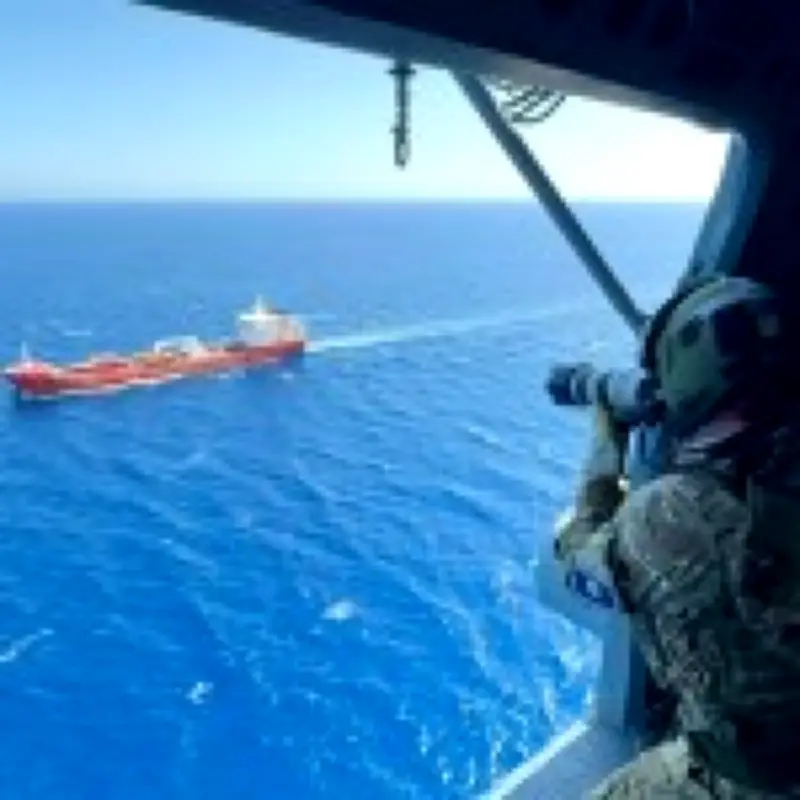
The renewed hostilities erupted on Tuesday when Iran targeted three tankers in the Strait of Hormuz, a long-standing flashpoint. The resulting exchange of strikes has severely disrupted maritime traffic through the critical sea route, casting doubt on the prospects for a permanent end to the conflict, which was initiated by the US and Israel on February 28.
The US military moved to counter claims by Iranian state media that transit through the strait is only permitted via routes designated by Iran. US Central Command posted on X: 'Iran does not control the Strait of Hormuz. Since early May, US forces have helped facilitate the successful transit of more than 800 commercial vessels and 380 million barrels of crude oil through the vital international trade corridor.'
Impact on Global Trade and Negotiations
Despite these efforts, the volume of traffic remains a fraction of pre-war levels, when nearly 140 ships per day passed through the strait on average. Ending Tehran's influence over the waterway, which had disrupted global oil and gas supplies and driven up fuel and food prices, was a key demand in earlier negotiations. The initial US-Iran deal only ensured safe, toll-free passage for 60 days, pending a final agreement on Iran's nuclear program. In the meantime, Iran has continued to exert leverage, including demanding ships seek permission to transit and hinting at future charges.
The situation remains fluid, with the US and Iran continuing talks while the ceasefire is declared over.