
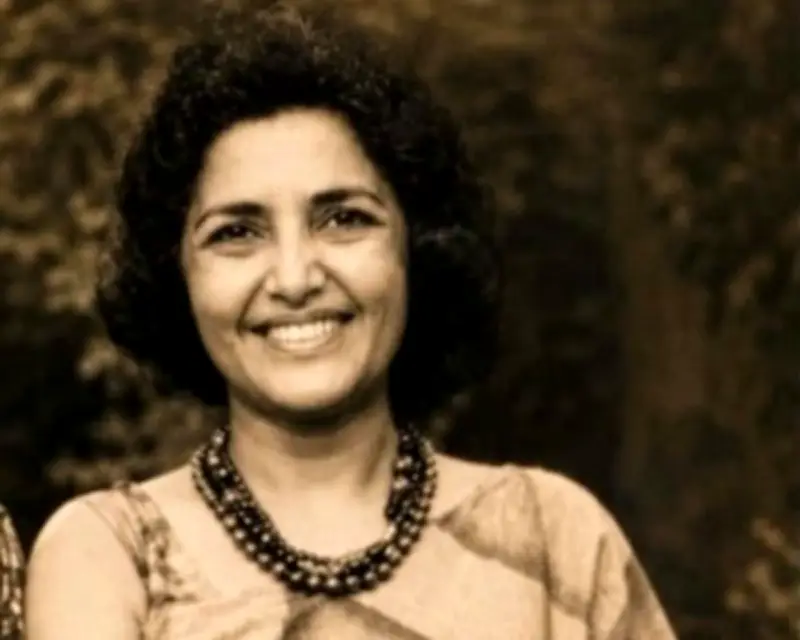
Shada Islam's mother, Abeeda Qamar ul Islam, died in a Karachi hospital on June 14, 2024, after a brief illness. In a deeply personal reflection, Islam describes the shock of the early-morning phone call, the rush to the airport, and the final moments in the emergency ward. Despite her sorrow, she counts herself among the fortunate: she had the chance to say goodbye, to hold her mother's hand, and to participate in Islamic funeral rites.
A Mother's Final Days
Abeeda, 86, had been in good spirits just 12 hours before her death, laughing and sharing stories on Islam's birthday. They had planned to spend time together in Karachi, as they had after the death of Islam's younger sister the previous year. But after the call, a deep sadness overcame Abeeda. In the hospital, she was lucid, asking for her watch and befriending a young intern. Islam left that evening believing her mother would recover, but Abeeda died in the early hours of June 14.
The Privilege of Grief
In the days that followed, Islam's children flew in, friends and family offered condolences, and messages poured in from around the world. Through these, Islam discovered facets of her mother's life she had never known: former students recalled acts of kindness, friends remembered decades-long conversations. At the graveyard, a neighbor led a short prayer; at a remembrance gathering, Islam paid tribute to her mother's laughter, compassion, elegance, and devotion to her students.
Then, in a sleepless night, Islam realized her privilege. She was fortunate to have been raised by parents who encouraged her independence and welcomed her intercultural marriage. But more profoundly, she had the opportunity to mourn. "The week my mother died, cruel wars continued unabated in many parts of the world," she writes. "In Gaza, Lebanon, Iran and Sudan, parents continued to bury their children... Sometimes there was no shroud, no grave, no funeral. Sometimes there was not even a body to bury."
Mourning as a Basic Right
Islam argues that grieving requires time, physical safety, community, and hope. "For the first time in my life, I recognise that there is also the privilege of mourning," she states. She notes that her mother's generation understood this, having lived through the Partition of India and Pakistan. Abeeda felt solidarity with Palestinians, Kashmiris, Iranians, Yemenis, and the people of Sudan, and often questioned why Europe remained reluctant to confront violations of international law.
Abeeda belonged to a generation of Pakistani women who worked quietly to expand women's rights, improve education, and fight poverty. She loved poetry—especially the Urdu verses of Akhtar Shirani—and had a deep Sufi spirituality. Her father, Hakim Nayyar Wasti, was a noted physician, author, and poet. She met her husband at a shoe store in Lahore's Anarkali market, a meeting secretly arranged by relatives.
A Final Goodbye
Islam remembers her mother's progressive views, mischievous humor, and love for her grandchildren. She taught them to cook and gave them recipes Islam never learned. "My tears come now without warning; I miss her so much," Islam writes. "But I know how fortunate I am to have been loved by her and to have been given the chance to say goodbye."
In a world where so many cannot exercise what should be a basic human right, Islam concludes: "Grief is universal. But the ability to grieve is not."




