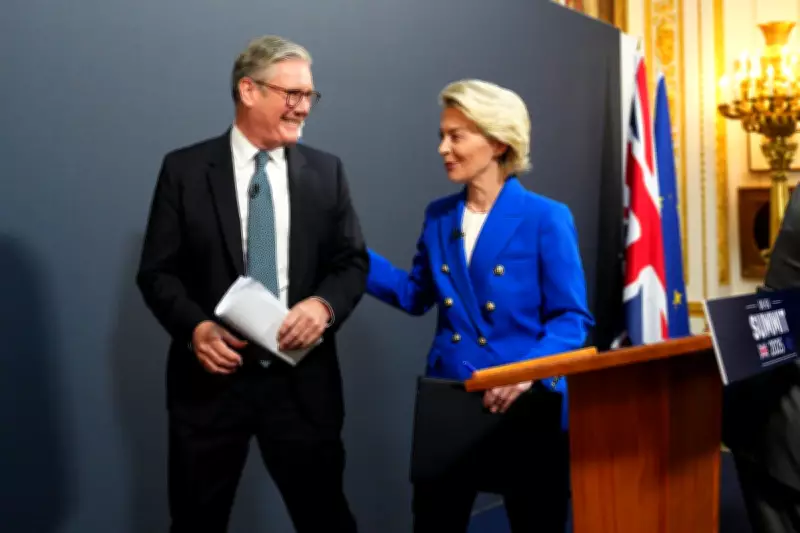
Starmer's Covert Push for EU Single Market Re-entry Sparks Democratic Concerns
Prime Minister Keir Starmer, who once criticized conservatives for "silencing parliament" through Henry VIII powers, is now employing the same tactics to align the UK with European Union regulations on food standards and carbon emissions. This move, described by critics as a stealthy attempt to rejoin the EU single market, has ignited a fierce debate over democratic accountability and sovereignty.
Hypocrisy or Pragmatism? The Use of Henry VIII Powers
During the Brexit withdrawal process, Starmer lambasted Theresa May's use of Henry VIII powers, calling it an act that silenced parliament and granted ministers excessive authority. Today, he plans to utilize these very powers to bypass full parliamentary scrutiny, facilitating regulatory alignment with the EU. This stark reversal has drawn sharp rebukes from legal experts and political opponents alike.
The Good Law Project, which previously sued the government over what it deemed "constitutionally offensive and unlawful" use of these powers, now faces the irony of seeing them adopted by a left-wing barrister in power. While some may find satisfaction in exposing Labour's perceived hypocrisy, this strategy risks deepening political divisions and undermining public trust.

Sovereignty and Mandate: Core Issues at Stake
Sovereignty was a central pillar of the Brexit vote, yet Starmer's approach appears to treat regulatory autonomy with a degree of disdain. In recent statements, he has suggested that such autonomy "may be necessary" but should be "the exception, not the norm." This stance raises fundamental questions about the government's mandate.
There are pragmatic arguments for closer EU alignment, including economic stability and streamlined trade. However, no electoral mandate exists for this shift. Regulatory alignment, even with limited exceptions for specific sectors, effectively means accepting directives from Brussels once more. Without explicit public consent, this move could be seen as subverting democratic will.
Historical Context and Future Implications
Starmer's current actions contrast sharply with his past advocacy for a second referendum to potentially overturn the initial Brexit result. Having failed to secure this through democratic means, he now appears to pursue a covert path to undo Brexit's outcomes. This strategy occurs at a time of significant global and domestic change, making it a precarious moment to challenge democratic norms.
The loss of iconic British brands, such as Denby pottery and Gentleman's Relish, serves as a metaphor for a broader cultural and commercial blandness that critics fear could accompany deeper EU integration. As the UK navigates this complex landscape, the balance between pragmatic governance and democratic integrity remains a critical issue for the nation's future.