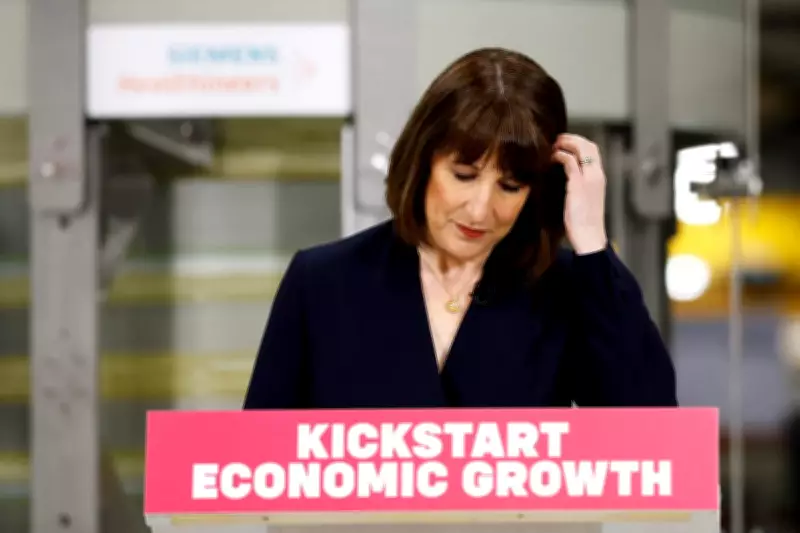
Low-Key Spring Statement Still Poses Significant Risks for Chancellor Rachel Reeves
The 2026 Spring Statement, scheduled for delivery by the Chancellor in just under a week, is expected to be a deliberately subdued affair. Chancellor Rachel Reeves has consistently emphasized her preference for only one major fiscal event annually—the Autumn Budget—making significant announcements unlikely next Wednesday.
Setting the Political and Financial Narrative
Despite the anticipated lack of fireworks, this Spring Statement retains substantial potential to shape the political and financial narrative for the remainder of the year. The Treasury's cautious approach stems directly from the chaotic and damaging Budget process that concluded the previous year, widely regarded as the most disruptive since the tenure of Liz Truss.
Reeves will undoubtedly strive to highlight any positive economic developments, yet the broader context reveals significant challenges. The government's proclaimed "driving mission" of sustained economic growth remains frustratingly elusive, casting a shadow over the upcoming fiscal update.

Economic Performance Since the 2025 Statement
Twelve months ago, Chancellor Reeves unveiled her 2025 Spring Statement with bold declarations of "kickstarting economic growth" and ushering in a "new era of national renewal." The subsequent economic data, however, tells a markedly different story.
Unemployment has experienced a steady and relentless increase throughout the year. GDP growth, which peaked at 0.7 percent in the first quarter of 2025, slumped to 0.3 percent before flatlining at a mere 0.1 percent for the final two quarters. Inflationary pressures have also proven problematic, cooling to 2.6 percent in March 2025 only to spike to 3.5 percent the following month and level off at 3.8 percent for most of the year before showing recent signs of easing.
This trajectory offers little evidence of the promised renewal, suggesting the Chancellor's primary achievement was presiding over another year of economic stagnation.
The Critical Role of Fiscal Headroom
While no new tax or spending measures are expected, the Spring Statement will feature a crucial update from the Office for Budget Responsibility (OBR). This update will include revised economic indicators, forecasts, and an assessment of the UK's fiscal position.
Although the OBR will not formally score the government against its fiscal rules, it will provide sufficient detail for economists and analysts to draw conclusions regarding the size of the Chancellor's fiscal headroom. This measure holds the potential to generate significant political waves.
An increase in headroom, as many anticipate, would inevitably trigger pressure from Labour MPs to allocate these "savings" toward new spending initiatives. Conversely, a shrinking headroom would reignite concerns about the possibility of further tax increases in the upcoming Autumn Budget.
A Narrative of Improvement Amidst Elusive Growth
With remarkably few details leaking from the Treasury, the only certainty is that Chancellor Reeves will exert maximum effort to craft a narrative of improving economic circumstances. Some statistical indicators may indeed align in her favor, yet they are unlikely to alter the fundamental reality that robust, sustained growth—the government's stated paramount objective—remains conspicuously absent from the economic landscape.