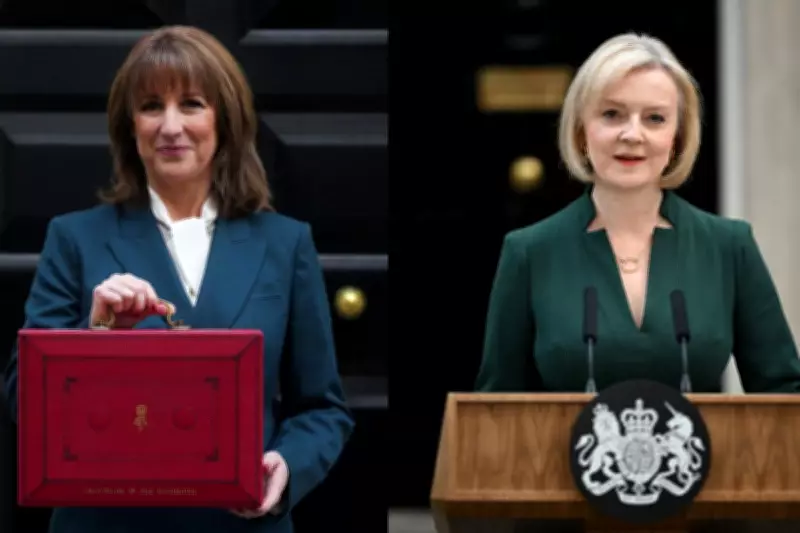
Rachel Reeves' Energy Policy Shift Exposes Overspending Role in 'Truss Crash'
This week, Chancellor Rachel Reeves made a surprising admission that has reshaped the narrative around the 2022 economic turmoil often dubbed the 'Truss crash'. For years, Reeves and the Labour Party have blamed tax cuts under Liz Truss for spiking gilt yields, tumbling the pound, and forcing Bank of England emergency measures. However, in a recent statement, Reeves pointed to overspending as the real culprit, specifically targeting universal energy subsidies.
Reeves' Argument Evolves on Economic Blame
In discussing energy policy, Reeves stated, "we must learn the mistakes of the past", criticizing the previous government for pushing up borrowing, interest rates, inflation, and mortgage costs with an unfunded, untargeted support package under Liz Truss. She highlighted that this universalism benefited the wealthiest households, marking a significant shift from her previous focus on tax cuts. This change in rhetoric exposes a deeper issue: overspending driven by cross-party consensus.
Labour's Role in Demanding Costly Energy Freezes
Reeves herself demanded a universal energy price freeze in August 2022, proposing to cover costs through a windfall levy on oil and gas companies. However, the numbers did not add up. Labour's calculations estimated raising £8 billion from the tax, while freezing energy bills was projected to cost between £100 billion and £200 billion. This fiscal recklessness mirrored the Truss policy, which also included a windfall tax but is less known due to both leaders avoiding publicity on this overlap.

Fiscal Recklessness and Political Amnesia
The Truss Government Growth Plan included revenue from the Energy Profits Levy, showing £7.73 billion in 2022-23. Reeves now admits that the potential £200 billion in government spending was the primary element of Truss's fiscal loosening, overshadowing £45 billion in tax cuts. Yet, she seems to suffer from selective amnesia, as it was her policy idea that contributed to the crisis. The interest rate and gilt yield spikes, along with the Liability Driven Investments crisis, have been popularly described as "Truss crashing the economy", though the economy continued to grow during this period.
This revelation suggests that overspending, not just tax cuts, played a critical role in the 2022 economic challenges. Reeves' shift in blame highlights her own involvement in demanding expensive policies, raising questions about fiscal responsibility and political accountability in shaping economic stability.