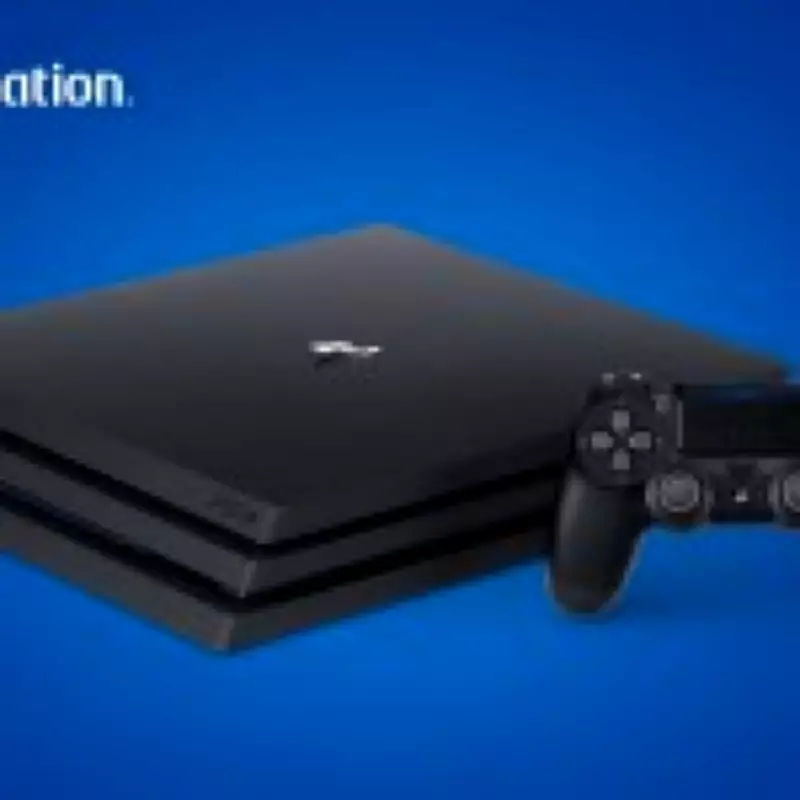
As the PlayStation 4 experiences its second death, with major publishers ceasing support, the question arises: what is the true legacy of Sony's best console? The PS4 was discontinued in March 2024, but its public end comes now as triple-A publishers stop releasing games for it. Activision recently announced that Call of Duty 2026 will not be released on PlayStation 4, and if EA Sports FC 27 also skips the last-gen format, that marks the final chapter for Sony's fourth home console.
The Context: Learning from PS3 Failures
To understand the PS4's success, one must look back at the PlayStation 3 era. While the PS3 outsold the Xbox 360 worldwide, it was by a narrow margin, aided by Microsoft's missteps with Kinect and mismanaged first-party studios. In many respects, the PS3 was an embarrassing failure—overdesigned, overpriced, and lacking desirable exclusives. Sony had become overconfident after the unprecedented success of the PS1 and PS2. The hardware was difficult to develop for, and third-party titles ran poorly, while Xbox 360 offered a superior online service.
However, Sony learned from its mistakes—something few video game companies ever do. The PlayStation 4 fixed all that. Its online services matched Xbox, and relationships with publishers were renewed, making it the lead format for most last-gen games. Microsoft's Xbox One reveal fumble handed Sony an opportunity, which they seized.

The Rise of First-Party Exclusives
Before the PS4, Sony's reputation for first-party games was unexceptional. Naughty Dog began to shine on PS3, but most exclusives were mediocre shooters like Killzone 2 and Resistance: Fall of Man, or quickly abandoned franchises like InFamous and MotorStorm. The PS4 changed everything. Titles like God of War, The Last of Us Part 2, Marvel's Spider-Man, Ghost of Tsushima, Horizon Zero Dawn, and The Last Guardian became critically acclaimed. Even paid exclusives like Bloodborne, Nioh, and Death Stranding set new standards.
Two Key Factors Behind Success
The PS4's success can be attributed to two main factors: Sony's hard work and fortunate timing. Sony deserves full credit for studying the PS3's failures and avoiding them, especially given their previous tendency to double down. The second factor was a perfect convergence of console power and game development economics. During the PS4 era, triple-A games required reasonable budgets and development times, allowing for both cutting-edge graphics and creative innovation, without relying solely on sequels or licensed products.
This balance is now lost. Games have become too expensive and time-consuming to produce. Sony's response has been to release fewer games, a trend seen across the industry, including Nintendo. Even with a potential PS6 release next year, cross-gen games will persist, making it hard to compare future generations.
The End of an Era
While EA Sports FC 27 might still launch on PS4—often the last franchise to abandon an outgoing generation—Call of Duty's departure signals the console's story is complete. The PlayStation 4 stands as the pinnacle of PlayStation gaming, a console that got everything right at the perfect time. It remains to be seen if Sony can ever better it.
For more gaming analysis, follow GameCentral.