One Nation Achieves Electoral Breakthrough in South Australia
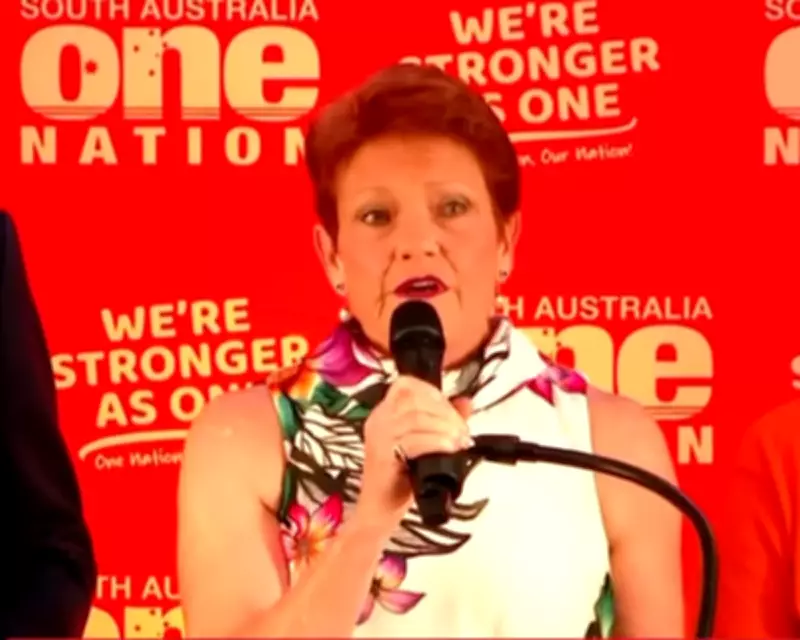
Pauline Hanson's One Nation party has secured at least one seat in the South Australian lower house following the state election on Saturday, marking a notable shift in the political landscape. The party is leading in several other districts, potentially positioning itself as a formidable force in the state's parliament.
Liberals Confront Sobering Election Results
The Liberal party faced a substantial defeat, with early counts showing a decline in primary votes. Federal shadow health minister Anne Ruston emphasized the need for the party to learn sobering lessons and rebuild public trust. She suggested that the Liberals should focus on centrist governance, despite internal calls for more conservative policies.
One Nation's Surge in Vote Share
Across South Australia, One Nation experienced a significant surge in primary votes, capturing 22% of the tally with 60% of ballots counted. This represents a swing of 19.4% in their favor. In contrast, Labor secured 38% of primary votes, while the Liberals trailed with 19%, down 16% from previous elections.
Key Seats and Potential Outcomes
One Nation candidates are ahead in multiple lower house seats, including Hammond, Narungga, and Mackillop. David Paton, deputy mayor of Adelaide Plains council, is expected to win the seat of Ngadjuri. If the party secures all contested seats, it could eclipse the Liberals as the de facto opposition, though analysts deem this scenario unlikely.
Controversial Remarks from Barnaby Joyce
Federal MP Barnaby Joyce defended One Nation against accusations of racism and bigotry, advocating for stricter immigration controls. He likened a potential ban on migration from Muslim countries to purchasing cattle that just don't work, sparking criticism from the Australian National Imams Council, which called his comments deeply offensive and ignorant of Australian values.
Political Responses and Calls for Unity
Prime Minister Anthony Albanese, without directly addressing the election results, warned against demonizing migrants in a speech to Melbourne's Vietnamese community. He emphasized the importance of diversity as a national strength. Meanwhile, South Australian Premier Peter Malinauskas has Labor on track to secure at least 32 seats in the 47-seat parliament, with federal frontbencher Chris Bowen praising his leadership as historic.
Implications for Future Governance
The election outcome signals a potential realignment in South Australian politics, with One Nation gaining ground and the Liberals facing internal challenges. The results highlight voter dissatisfaction with traditional parties and a growing appetite for populist alternatives, setting the stage for intense political debates in the coming years.