One Nation's South Australian Election Test: Can Poll Surge Translate to Seats?
Pauline Hanson's One Nation party is preparing for what could be its most significant electoral test in South Australia's upcoming March state election. With former Liberal senator turned Sky News commentator Cory Bernardi joining the ticket, the party is aiming to capitalise on growing discontent and the federal Coalition's ongoing turmoil.
The Adelaide Rally Atmosphere
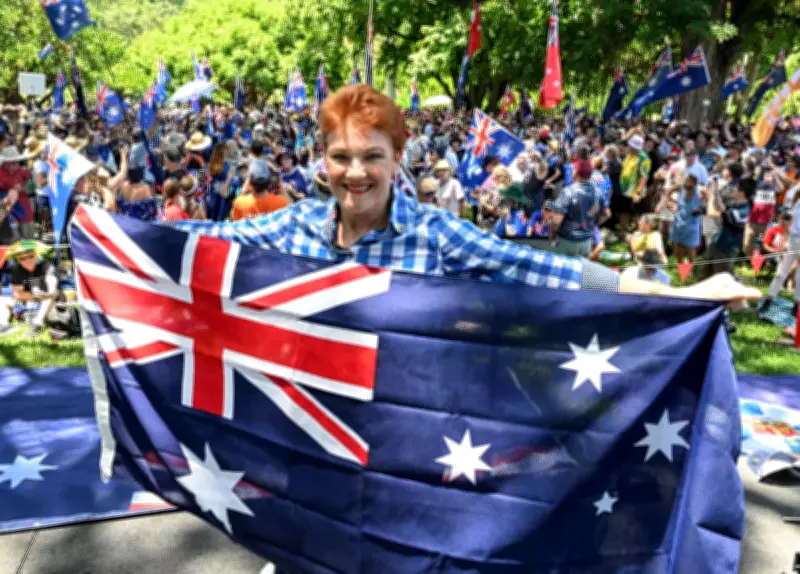
The atmosphere at Tuesday's Adelaide rally was electric, with supporters clad in orange One Nation T-shirts and waving Australian flags enthusiastically greeting Hanson and Bernardi. Cries of "prime minister" echoed through the crowd as the pair arrived, buoyed by recent polling showing a surge in support for the controversial party.
This South Australian election represents the first genuine test of whether One Nation's growing national support can translate into tangible electoral success. The party is feeding off the chaos within the federal Coalition, positioning itself as an alternative for disaffected conservative voters.

Historical Context and Current Challenges
Hanson has historically inspired fierce devotion among her followers, though this has often been followed by swift desertion, organisational disarray, disqualifications, and complaints about her leadership style being described as a "dictatorship." The question now is whether her tactics will prove effective in South Australia, where the Liberal party finds itself in a particularly vulnerable state and Labor maintains strong support.
Retired ABC election analyst Antony Green has examined One Nation's federal polling patterns and identified that of "the first 25 seats to watch," twelve would be in Queensland and just one in South Australia. That single seat is Barker, currently held by Liberal Tony Pasin, an ally of conservative power player and fellow backbencher Alex Antic.
The Electoral Landscape
October polling placed state Labor on a two-party preferred lead of 66 to the Liberal party's 34, suggesting Premier Peter Malinauskas is heading for a landslide victory under those figures. However, since that polling, opposition leader Vincent Tarzia has stood down in favour of rising star and moderate Ashton Hurn, which could potentially shift those numbers.
The national figure showing a 22% primary vote for One Nation might not hold up in South Australia, where different political dynamics are at play. Bernardi and Hanson nevertheless sounded optimistic about their prospects of picking up seats in the lower house during Tuesday's press conference.
Upper House Ambitions
With generous financial support, improved campaigning strategies, better candidates than they've managed in the past, and a shifting political mood that colours the unpredictability of three-way contests, One Nation might achieve some success. However, their real hope appears to be winning one or two spots in the state's upper house, with both Hanson and Bernardi expressing ambitions to become the opposition.
"Whether we have one seat, we have five seats or 22 seats, we will be the strongest voice of opposition that this government has ever faced," Bernardi declared confidently. "We're going to contest every seat. We're going to have a full ticket in the upper house. We're going to work very hard for our candidates, and I hope they're all rewarded."
He added: "To be honest, I'd love to be the official opposition in this state. But you know what? Even if we don't have the most numbers of seats, I promise you, we will have the strongest, the most effective voice."
The Broader Political Context
In the upper house, eleven seats are up for grabs, creating a complex political landscape where many candidates appear to be singing from the same song sheet as One Nation. Bernardi isn't the only former Liberal in the mix either.
Former Liberal member turned Family First senator Bob Day will run candidates in both houses for the Australian Family Party. Day's former chief of staff Rikki Lambert is running for the Nationals, while the Family First candidate is former Liberal candidate Deepa Mathew. Jing Lee, who quit the Liberals after becoming embroiled in a rightwing abortion bill debacle, is running as an independent.

The Protest Movement Connection
There's another element of unpredictability in One Nation's rise. As journalist Tory Shepherd observes, "The anti-woke, anti-Islam, anti-immigration, anti-multiculturalism, anti-renewables mob have found their voice in March for Australia protests and through One Nation." This connection to broader protest movements gives the party additional momentum but also creates uncertainty about whether polling support will translate to actual votes.
There might be a cohort within these latest polls that balks at actually ticking the One Nation box when it matters. This hesitation can be reinforced by voter experiences as the campaign trail heats up and scrutiny intensifies.
Press Conference Tensions
At Tuesday's press conference, the ebullient crowd's cheers turned to jeers when Hanson was asked a tough question by Guardian Australia's Sarah Martin about failing to declare flights on billionaire Gina Rinehart's private jet. Hanson struggled to provide a cohesive answer, and her supporters erupted in fury at the questioning.
"Who cares?" they yelled at the press as people began to jostle one another. "Did you have something for breakfast?" One Nation state president Carlos Quaremba repeatedly asked "What is your agenda?" - almost his sole contribution to the press conference after being relegated to second spot on the ticket by Bernardi.
Perhaps most disturbingly, someone in the crowd was heard saying: "She's going to get lynched" in response to the reporter's valid question, highlighting the tense atmosphere surrounding One Nation's campaign events.
As South Australia approaches its March election, all eyes will be on whether One Nation can convert its polling momentum into actual parliamentary seats, or whether history will repeat itself with supporters failing to follow through at the ballot box.