Netanyahu's Iran War Narrative Obscures Palestinian Realities
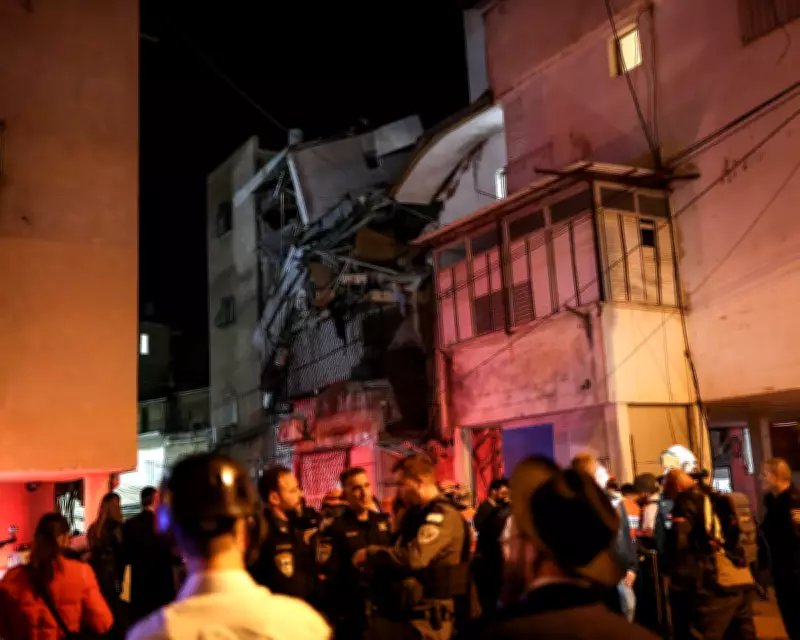
In the aftermath of an attack on Bnei Brak near Tel Aviv in March 2026, Israeli Prime Minister Benjamin Netanyahu continues to assert that victory over Iran will secure peace for Israel. However, this perspective overlooks critical domestic issues closer to home, particularly the Palestinian conflict. As Israelis grow increasingly weary from sheltering against missile barrages, Netanyahu's geopolitical focus serves as a distraction from pressing internal challenges.
War Support Masks Complex Public Sentiment
Opinion polls conducted two weeks into the war on Iran initially suggested overwhelming public backing. Surveys from institutions like the Israel Democracy Institute and the Institute for National Security Studies indicated nearly 80% overall support, with Jewish Israelis showing 91% approval. Yet, this data conceals a more nuanced reality. Among Arab citizens, who constitute about 20% of Israel's population and are predominantly Palestinian, approximately two-thirds opposed the war.
From Tel Aviv, the visible exhaustion among Jewish Israelis underscores the toll of over three weeks of continuous missile threats. The economic, social, and physical damages are mounting, creating a backdrop of fatigue that complicates the simplistic narrative of unified war enthusiasm. Additionally, uncertainty about achievable war aims persists, with early optimism about collapsing the Iranian regime waning significantly in subsequent weeks.
Strategic Deflection from Palestinian Issues
Netanyahu has long prioritized the Iranian threat, a stance that enhances his global diplomatic profile and reinforces his image as a statesman domestically. While Iran's role in regional destabilization is undeniable, this focus serves a dual purpose: it systematically deflects attention from Israel's occupation of the West Bank and Gaza, and it marginalizes Palestinian aspirations for national self-determination. Netanyahu often frames Hamas and other groups as mere extensions of Iranian influence, thereby negating the existence of a distinct Palestinian political issue.
During the current conflict, Netanyahu reiterated in press conferences that Iran constructed an "axis of evil" with terrorist armies like Hezbollah and Hamas. This reductionist portrayal reinforces the Israeli tendency to view hostilities as externally driven rather than rooted in domestic grievances. The all-consuming nature of the war media coverage further aids this deflection, with analysis focused on military fronts, US involvement, and civilian hardships, leaving little room for Palestinian discourse.
Sheltered Realities and Escalating Tensions
In underground shelters across Israel, from homes to public spaces like the Tel Aviv municipality, Israelis seek refuge from missile attacks. Remarkably, political discussions are scarce in these settings, a departure from the nation's typically gregarious political culture. Residents are preoccupied with survival, business losses, and managing daily life amid school closures, leaving little mental bandwidth for long-term issues like the Palestinian conflict.
Meanwhile, under the cover of war, conditions for Palestinians have deteriorated. Capitalizing on post-October 7 fury and wartime distraction, Israeli religious fundamentalists and ultranationalist groups, backed by the military, have intensified actions in the West Bank. Recent incidents include border police killings of a Palestinian family and alleged settler violence involving assaults and livestock thefts, undermining livelihoods in impoverished communities.
Gaza remains in a state of limbo, with Israeli occupation controlling over half the territory and a resurgent Hamas battling armed factions. Despite a ceasefire, violence has persisted, with over 100 child deaths reported since October, yet many Israelis perceive the war as concluded. This disconnect highlights the ongoing cycle of suppression and denial that fuels Palestinian determination for recognition.
The Path to Sustainable Peace
The Palestinian issue will not vanish with an Iranian regime collapse. Israelis must move beyond the convenient belief that toppling Tehran will resolve all conflicts and instead refocus on diplomatic efforts addressing Palestinian self-determination claims. Without this shift, even a decisive victory over Iran will not end the cycles of violence in Israel and Palestine. Suppression and denial only strengthen national resolve, making struggles more enduring and increasing willingness to endure losses for recognition.
While Palestinian statehood is not a panacea, granting the natural right to self-determination—enjoyed by nations worldwide—could significantly reduce hostilities against Israel. Achieving peace requires confronting domestic realities rather than externalizing blame, ensuring that future stability is built on inclusive diplomacy rather than deflection.