Nepal's Gen-Z Election: A Clash of Generations in Jhapa-5
In the bustling city of Damak, nestled within Nepal's Jhapa-5 constituency, a dramatic political battle is unfolding that could redefine the nation's future. At the heart of this contest is Balendra Shah, widely known as Balen, a 35-year-old former rapper turned mayor of Kathmandu, who is challenging the veteran political heavyweight, KP Sharma Oli, a four-time prime minister. This election, driven by a youth-led uprising, represents a critical juncture for Nepal, where 46% of the population is under 24 years old.
The Rise of Balen Shah: From Rapper to Political Icon
Balendra Shah first gained fame as a rapper whose lyrics sharply criticized Nepal's ruling elite, resonating deeply with disenchanted youth. In May 2022, he transitioned to politics, securing a resounding victory to become the mayor of Kathmandu. His popularity surged further after the gen-Z protests of September, when widespread demonstrations against corruption and social media bans were met with police brutality, resulting in over 70 deaths and the fall of Oli's communist government.
During the protests, Balen emerged as a unifying figure for Nepal's youth, who are frustrated with a political system they perceive as broken and unrepresentative. Despite being offered an interim leadership role after the uprising, he declined, opting instead to pursue change through democratic elections. "As mayor, Balen showed he could transform governance," said Parbat Basnet, a 24-year-old business graduate and protest leader in Damak. "He chose the ballot box over unelected power, aiming to defeat corruption and shift mindsets."
The Stakes: Youth Frustrations vs. Established Politics
This week's polls serve as a vital test of whether the energy from the gen-Z uprising can translate into lasting political reform. Nepal has experienced significant instability, with 31 prime ministers in 35 years, leading to widespread election fatigue. However, Basnet notes a shift in voter sentiment: "Even old voters are now demanding accountability, questioning unfulfilled promises on infrastructure and development." The election in Jhapa-5, a longtime stronghold of Oli's Communist Party of Nepal (UML), has become a focal point for this change.
After Oli announced his candidacy for re-election, Balen resigned as Kathmandu mayor and entered the race directly against him, aiming for the prime minister's office. His campaign has ignited a "Balen effect," drawing massive crowds in Damak, where supporters clamor for selfies and touch. Sarita Baral, 23, captured this enthusiasm: "Young people support Balen because we want job opportunities and an end to corruption. His decision to challenge Oli directly shows bold leadership."
Contrasting Campaigns: Balen's Style vs. Oli's Legacy
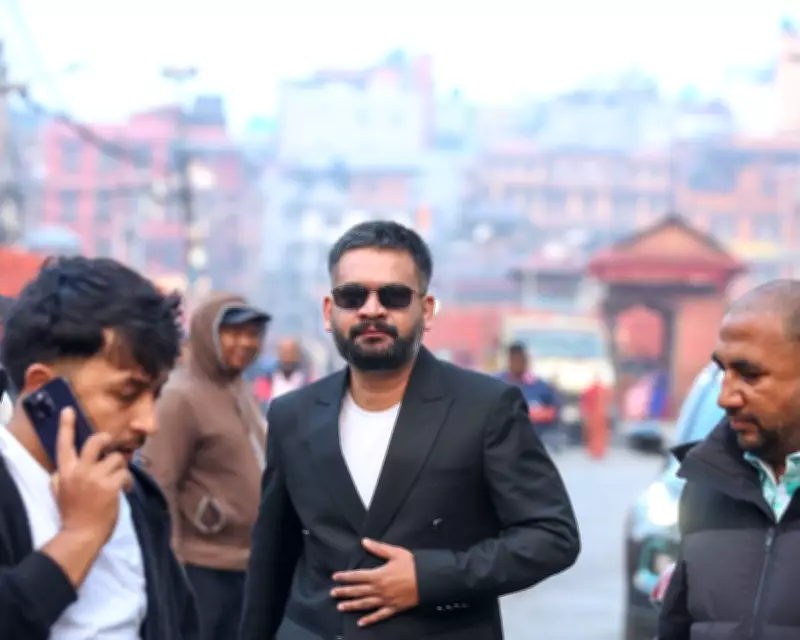
Balen's campaign is marked by unconventional tactics, including brief public appearances and a heavy reliance on social media, where he commands millions of followers. He often wears dark sunglasses and sharp suits, engaging voters with minimal speech, which has led to criticism over accessibility. In contrast, Oli's campaign motorcade in Damak received little attention, reflecting his diminished appeal among the youth.
In rare comments, Oli defended his government's response to the protests, alleging that the movement was hijacked by criminals. "This was a conspiracy to topple my government," he stated, while denying any wrongdoing. Despite this, his UML party retains loyalty in rural areas of Jhapa-5, where he has won six times previously.
Challenges and Concerns for Balen's Candidacy
While Balen's popularity is undeniable, concerns persist about his impulsive tendencies and lack of transparency on key issues. He has made volatile social media posts, including one that criticized major global powers, raising questions about his foreign policy strategy for Nepal, a country caught between Indian and Chinese interests. Kumar Khatiwada, 62, a supporter of Oli, expressed skepticism: "Balen is not easily accessible; he waves to crowds but avoids difficult questions."
Gen-Z leaders like Basnet acknowledge these uncertainties, emphasizing a cautious support approach. "I am not blindly following him because he is a celebrity," Basnet explained. "If he fails, I will question him. We must never stop holding our leaders accountable." This election, therefore, is not just about choosing a candidate but about testing Nepal's commitment to democratic renewal and youth representation.
The Broader Implications for Nepal's Political Landscape
The outcome in Jhapa-5 could signal a broader shift in Nepali politics, potentially ending the cycle of weak coalitions and elite dominance. With high voter turnout expected, the results will reveal whether the gen-Z movement can sustain its momentum or if traditional forces will reassert control. As Nepal stands at this crossroads, the world watches to see if a rapper-turned-politician can indeed topple a veteran heavyweight and usher in a new era of governance.