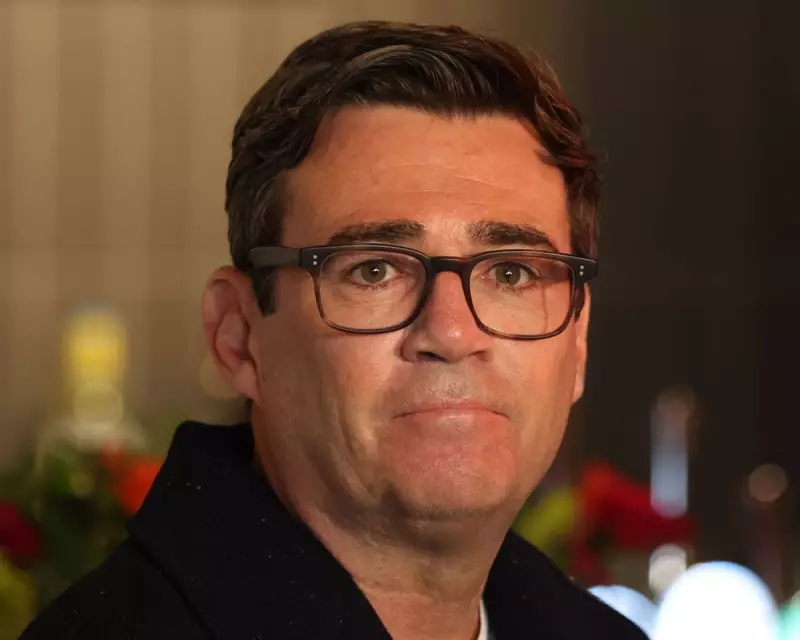
In a significant move, Greater Manchester Mayor Andy Burnham has issued a formal apology for historic police discrimination against the LGBTQ+ community. His statement directly addresses what he called "unacceptable discrimination and the pain and suffering it caused" by Greater Manchester Police (GMP).
A Contrast with Police Leadership
The mayor's apology stands in stark contrast to the position of GMP's Chief Constable, Stephen Watson. Earlier this year, Watson declined to issue a broad apology on behalf of the force, suggesting it might be viewed as "superficial and merely performative."
Burnham's apology was made in a letter to veteran campaigner Peter Tatchell, who has been leading a campaign seeking apologies from UK police forces for the historic persecution of LGBTQ+ individuals. To date, more than 20 forces, including the Metropolitan Police, Merseyside, Northumbria, and Police Scotland, have offered apologies.

Greater Manchester's Troubled History
Peter Tatchell emphasised that an apology from GMP was particularly crucial due to its past record. "Historically, GMP was one of the most homophobic police forces in the UK," he stated.
Tatchell highlighted the era under Chief Constable Sir James Anderton in the 1980s. Anderton notoriously claimed gay men dying of AIDS were "swirling around in a human cesspit of their own making." Motivated by his religious beliefs, he reportedly instructed officers to target the LGBTQ+ community.
One notorious incident cited was the 1984 raid on Napoleon's bar by 23 plainclothes officers. Police justified the action by accusing the manager of permitting "licentious dancing" against a local bylaw. Campaigners say names, addresses, and photographs were taken, leading to some patrons being publicly outed, losing their jobs, and facing homophobic abuse and violence.
The Apology and Its Limits
In his letter, Mayor Burnham wrote: "There is no doubt in my mind whatsoever that the LGBTQ+ community historically were treated shamefully by this country and clearly subject to discrimination in many ways." He added, "As mayor of Greater Manchester, I acknowledge the unacceptable discrimination and the pain and suffering it caused. I apologise to all LGBTQ+ people in Greater Manchester and across the UK for the past failing of GMP in this regard."
Burnham noted he had seen Chief Constable Watson's "considered and respectful" response to Tatchell but clarified that mayors have no statutory power to instruct chief constables due to their operational independence.
While grateful for Burnham's "clear and unequivocal apology," Peter Tatchell expressed disappointment. "It is deeply disappointing that the chief constable continues to refuse to say sorry. A mayoral apology, welcome though it is, cannot substitute for an apology from the police force that carried out these abuses," he said.
In April, Watson wrote to Tatchell expressing regret that the force "didn't always perform to the standards deserved" but declined to issue a general apology to the LGBTQ+ community, saying it would make "little or no difference." Tatchell has vowed to continue campaigning for a full and formal apology directly from GMP.