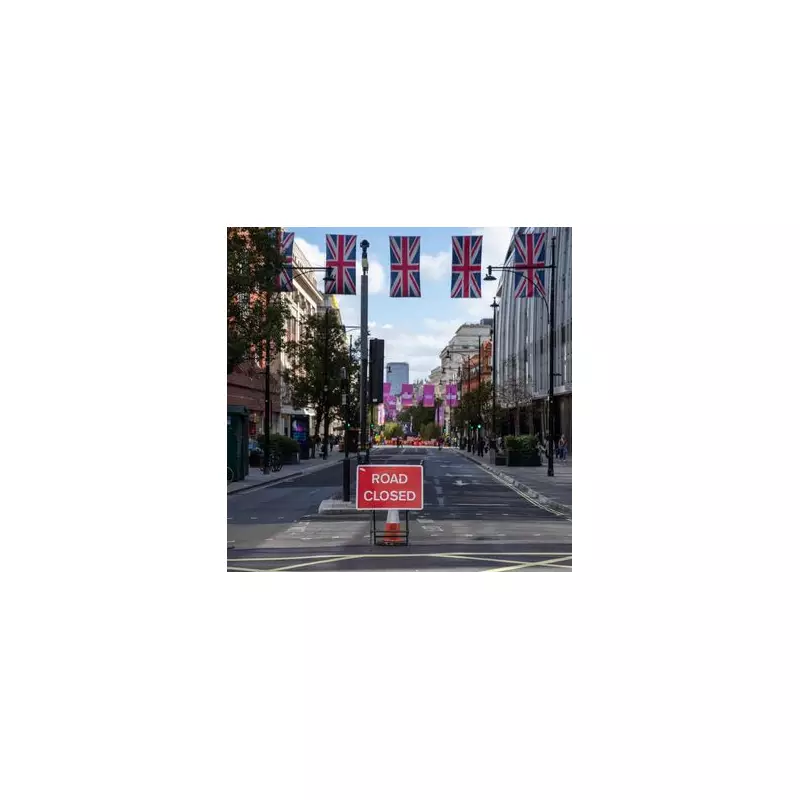
Central London's iconic landscape is poised for a significant transformation in 2026, with a series of major developments set to reshape the heart of the capital. The City of Westminster, home to world-famous destinations like the West End and Oxford Street, has approved a raft of projects ranging from cultural upgrades and new housing to a complete rethink of one of its most famous shopping streets.
Oxford Street Goes Pedestrian-First
One of the most anticipated changes is the planned permanent pedestrianisation of Oxford Street. Mayor Sadiq Khan, alongside Transport for London (TfL), is pushing ahead with detailed proposals to close the famous thoroughfare to most traffic. The scheme, which could begin as soon as January 2026, aims to revitalise the street that attracts over half a million people daily.
The plans involve closing Oxford Street between Orchard Street and Great Portland Street to private vehicles, buses, taxis, and cycles. Only emergency services will retain full access. Key elements of the proposal include allowing service vehicles access between midnight and 7am, installing wider pedestrian crossings, and rerouting buses via Wigmore Street with minimal added journey time. The goal is to allow Oxford Street to compete with premier global shopping destinations.

New Homes and Community Spaces
Westminster is also addressing housing needs with several substantial developments. In Maida Vale, a major project on Harrow Road will deliver 144 new homes, including 48 affordable units and a significant boost to adult social care provision, increasing from 5 to 24 flats. The development will feature three buildings ranging from five to 15 storeys, plus an indoor sports facility.
Meanwhile, in Queensway, a 1950s block will be demolished to make way for 94 new flats. Of these, 35 will be designated as affordable housing, with 24 for social rent and 11 at intermediate affordability. The scheme includes two communal gardens, biodiverse roofs, and solar panels.
In a unique move, the council has approved a 230-bed hostel above the beloved Prince Charles Cinema. The hostel will feature individual "privacy capsules" rather than traditional open dorms and will have unisex facilities. The cinema's operations will remain unaffected.
Cultural and Leisure Upgrades
Significant investment is also flowing into Westminster's cultural institutions. Tate Britain has received permission to create new 'Mediterranean-inspired' gardens, complete with a water feature, East Asian green spaces, and a dedicated 'Garden Classroom' for children. The timber-framed learning pavilion, designed by Feilden Fowles, will offer creative space for schools and community groups.
In a notable change for the entertainment district, the iconic Trocadero building on Coventry Street will house a new "world class" casino operated by Genting Casinos UK. Approved unanimously by councillors in October 2025, the two-storey venue will replace the former Bubba Gump restaurant and Opium nightclub, catering for up to 1,250 people. A separate 24-hour licence is under review.
Education is also benefiting, with the University of Westminster set to gain a new seven-storey library and student workspace on the site of the former Latimer House NHS clinic on Hanson Street. The project, designed by Perkins & Will, includes a pocket park for residents and features a gridded bronze facade, a student union shop, and external terraces.
The Impact on Westminster
Collectively, these projects signal a year of intense activity for Westminster, blending urban regeneration with community-focused development. The emphasis appears to be on enhancing public space, as seen with the Oxford Street plans and new pocket parks, while simultaneously increasing housing stock and modernising leisure and cultural offerings. The coming year will see construction sites become landmarks of change, aiming to secure Westminster's status as a vibrant, world-class borough for residents, workers, and visitors alike.