Private Lidos Dominate Italy's Coastline
Walking along Italian beaches reveals a rainbow of colors: perfectly spaced parasols and deck chairs in red, orange, yellow, and green, each section belonging to a private lido. These bagni, or concessioni balneari, offer stylish amenities like ambient music, negronis, fried squid, and even swimming pools. Deck chairs are priced like theater tickets, with spots by the water costing up to €60 in Milano Marittima, compared to €30 near the bar.
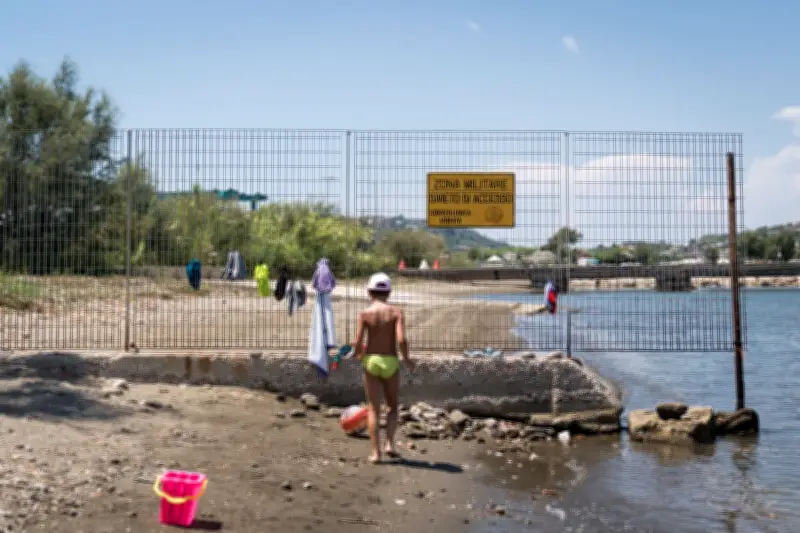
Free beaches, or spiagge libere, are rare and often located in remote, less attractive areas near estuaries or rocks, with litter issues and no lifeguards or toilets. One Dutch holidaymaker near Naples complained, "I tried to sit down on the beach over there, and they shooed me away. And here, there's no toilet, no shower, no bin."
The Scale of Privatization
Italy has about 30,000 lidos, and a 2022 Legambiente report calculated that approximately 43% of the country's sandy coasts are occupied by private businesses. Danilo Ruggiero, director of the Mare Libero campaign, says beaches have been transformed into little resorts with swimming pools, car parks, gyms, restaurants, and clothes shops. In Ostia, west of Rome, 80% of the beach is what he calls "the united states of lidos," with walls, gates, fences, and hedges blocking access and views.
Tuscany and Romagna are the most densely privatized regions. In Forte dei Marmi, 94% of the town beachfront is rented to resorts; in nearby Pietrasanta and Camaiore, it's 98.8% and 98.4%, respectively. Gatteo a Mare on the Adriatic coast had no free beach until public outrage forced 1.4% free space—just 10 meters out of 700.
Mayor Josi Della Ragione's Battle in Bacoli
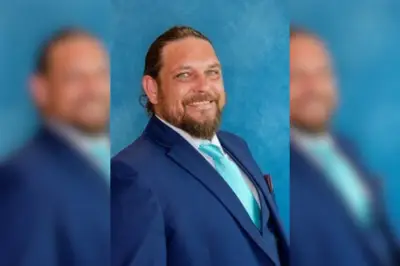
Bacoli, a town on the Gulf of Naples, sits on the Phlegraean Fields, a volcanic area with constant ground movement. Mayor Josi Gerardo Della Ragione, 39, has become nationally famous for liberating beaches from private profiteers. "Until recently, our beaches were cluttered with illegal sheds, barbed wire, gates and intercoms," he says. Access required ringing an intercom, with responses like "I'll open the gate if I know you."
Della Ragione deployed bulldozers to demolish illegal buildings on public land. At Casevecchie beach, he says, "We found the person running the warehouse with a chainsaw, heading towards the council workers." Seventeen years ago, he co-created the FreeBacoli campaign, leading to an arson attack on his family's delicatessen. Despite his administration falling after a year in 2015, he was re-elected in 2019 and has been mayor for seven years.
Military Beaches and Unfair Competition
Miseno beach in Bacoli is a flashpoint. Over half a mile long, it is blocked by military resorts: the navy, air force, Italian army (two), coastguard, and Guardia di Finanza occupy about 100,000 square meters. Della Ragione calls them "all military beaches." In military lidos, a deck chair or parasol costs only €3 with free parking, while non-military lidos charge €7-€10 with no parking. One barman complains of unfair competition: "We're being undercut."
The free beach at Miseno is deliberately grotty, with wet wipes and straws in the sand. A local named Marco says, "We have to fight a cultural battle... it needs a bit of education."
Legal and Political Battles
Mare Libero activists have held flashmobs and beach occupations. Donn'Anna beach near Naples was gated since 1999, accessible only at the keyholder's discretion. After a campaign, the Campania regional administrative court ruled in February 2026 that the beach must be freely accessible. The victory is a model for other areas.
Della Ragione's vision is socialist: "The sum of every individual interest is less than the common good." He combines influencer communication skills with bureaucratic rigor, refusing to receive people in shorts. Locals share stories of groups sharing one pair of trousers outside his office. Despite death threats, his national notoriety offers protection.
History and Economics of Lidos
Lidos evolved from small kiosks in the early 20th century to mega resorts. Rental agreements were rollover, renewing automatically. Until 2020, minimum annual rent was €364, and the state received only €101.7 million yearly from lidos, despite the industry generating €7-8 billion. The average annual profit of a beach resort is €260,000.
The EU's Bolkestein directive in 2006 required open tenders, but Italy has avoided implementation with extensions. In 2018, a law extended the status quo until 2033. Recent reforms raised minimum rent to €3,225.50 and imposed VAT at 22% instead of 10%, but lidos also pay property tax, reinforcing a sense of ownership.
Divided Opinions
The debate splits along left-right lines. The left sees public ownership and access as a civil rights issue. Klarissa Pica, a researcher at Venice's IUAV university, calls it spatial and social justice, echoing Roman law's "res communis omnium." The right defends lidos as vital to tourism, which accounts for 9.6% of GDP. Politicians like Giorgia Meloni and Matteo Salvini avoid criticizing the status quo; some, like former tourism minister Daniela Santanchè, have invested in lidos.
Antonio Capacchione, president of SIB, argues lidos provide lifeguard services, reducing drownings compared to France. Defenders also say lidos protect coastlines from overtourism. In Villasimius, Sardinia, a €10 fee and visitor limits were imposed on Punta beach after a fire, sparking national outrage.
All sides agree on the cultural importance of beaches. Pica notes that pensioners spend summers at the same lido with friends. One retired sunbather in Cuma says, "I've been coming here for 30 years." The future remains uncertain, with debates over compensation and experience clauses in tenders. Ruggiero argues, "Why should I compensate you? It's like someone renting a house and claiming compensation." He says the government's position is, "I can't grant you an extension, but I'll make sure you win the tenders."