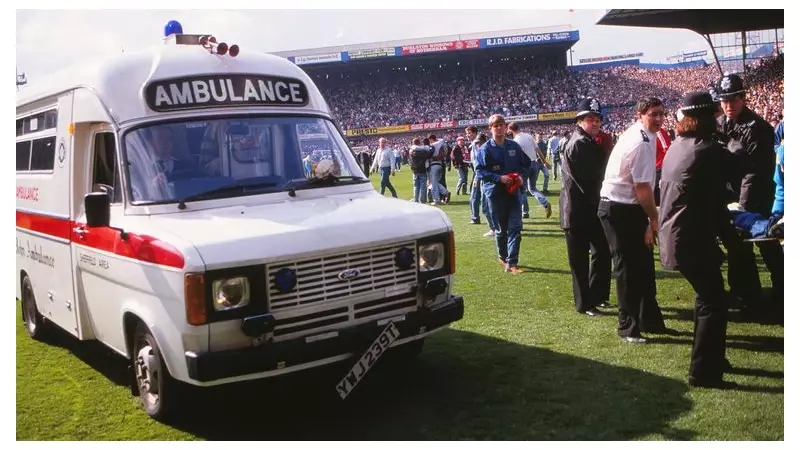
A major new report has concluded that South Yorkshire Police (SYP) "consistently and intentionally presented unsubstantiated evidence" in the aftermath of the Hillsborough disaster. The tragedy, a fatal crowd crush at Sheffield's Hillsborough Stadium in April 1989, resulted in the deaths of 97 Liverpool supporters, with a further 766 injured.
Systemic Failings and a Fatal Crush
The Independent Office for Police Conduct (IOPC), which has been investigating under Operation Resolve since 2012, published its 366-page findings. It details a catalogue of failures before, during, and after the FA Cup semi-final. The report states that the safe capacity of the West Terrace where the crush occurred was based on incorrect calculations from 1979. An engineering expert stated its capacity should have been between 3,089 and 4,518, yet it was permitted to hold 7,200 fans.
On the day, only seven turnstiles served 10,100 Liverpool fans with standing tickets. After a dangerous build-up, exit Gate C was opened at the request of police, leading to a surge of supporters into already overcrowded central pens. The IOPC found the decision to open the gate was not communicated across the stadium, with "catastrophic consequences".

A Campaign to Shift Blame
In its most damning conclusions, the report states SYP attempted to deflect blame from the disaster away from the police. The authors wrote: "SYP consistently and intentionally presented unsubstantiated evidence. It also altered the evidence of officers before it was submitted, by amending their accounts."
The investigation found:
- More than 100 officer witness accounts were amended, a figure higher than previously known.
- There was no evidence that fan behaviour caused or contributed to the disaster.
- Early police evidence collection focused on unsubstantiated claims of excessive alcohol consumption, including photographing litter.
- A false claim that supporters burned a police horse with cigarettes was debunked as "implausible".
The report also criticised the subsequent investigation by West Midlands Police (WMP), calling it "flawed and narrow". WMP officers conducted criminal records checks on 94 of the deceased, including 22 who were under 18.
Officers Named and Systemic Compassion Failures
The IOPC named 12 officers who would have faced gross misconduct proceedings had they not already left the police service. They include former match commander Chief Superintendent David Duckenfield, who faced ten allegations including failing to plan adequately and lying about his order to open Gate C. He was acquitted of gross negligence manslaughter in 2019.
The report also highlighted how bereaved families were treated with a lack of compassion. Some were shown photographs of bodies for identification when documents could have been used instead, and many were asked inappropriate questions about their loved ones' alcohol consumption or ticket ownership.
While the IOPC upheld dozens of allegations of misconduct against several officers, none will face disciplinary action as all had retired or left the service before the investigations began.