The UK government has performed a significant U-turn by abandoning a contentious proposal to publicly identify offenders sentenced to unpaid community work. The plan, which would have seen the names and photographs of individuals published, was dropped following strong criticism from probation experts and concerns over the impact on offenders' families.
Controversial Plans Scrapped After Backlash
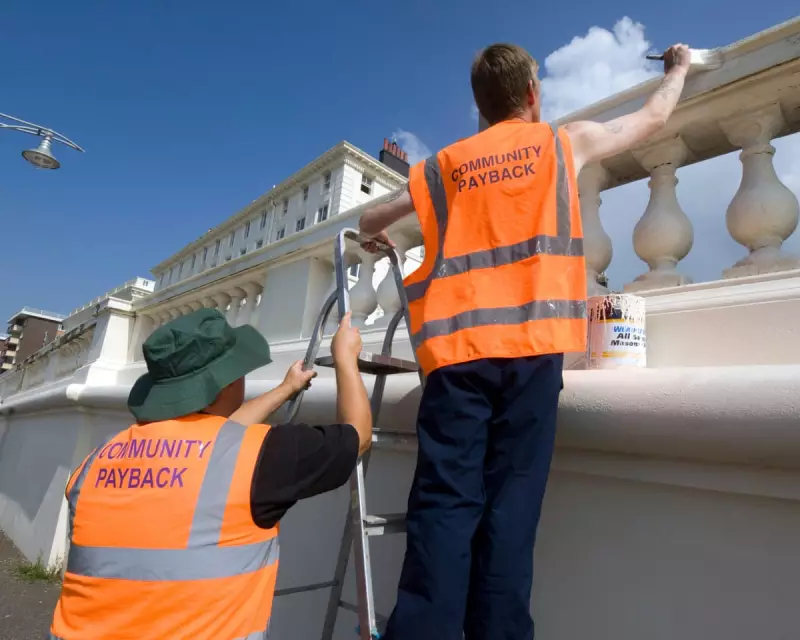
Ministers have formally withdrawn the initiative, which was first revealed by the Guardian. The policy would have granted probation officers the authority to take and publish details of people convicted of minor crimes who were ordered to complete community service, often while wearing high-visibility jackets marked "community payback". This information was intended for government websites and local media.
The Ministry of Justice has now accepted an amendment to the sentencing bill that removes the right to publish offenders' names and photographs. This decision came after warnings that the material could be exploited to humiliate the children of those undertaking the work, causing unintended collateral damage to innocent family members.

Probation Experts Warned of Rehabilitative Harm
The proposal faced substantial opposition from senior figures within the probation service. Martin Jones, HM Chief Inspector of Probation, cautioned that the policy could lead to more offenders disengaging from their sentences. He questioned the rationale, stating he saw no reason to publish images of individuals who were already complying by turning up to complete their work.
Ian Lawrence, the general secretary of the probation officers' union Napo, was a vocal critic. He argued the policy had no rehabilitative value and instead risked bringing shame upon offenders' families, particularly their children. "This proposed policy serves no value to the rehabilitation of offenders but could have potentially devastating effects on innocent family members, namely children," he stated.
A Broader Context of Policy Reversals
The climbdown represents another in a series of policy reversals for the Labour government, which has faced criticism from its own backbenchers. The decision was announced in the House of Lords by Prisons Minister Lord Timpson earlier this month. He concluded that the existing delivery of unpaid work, reinforced by other measures in the sentencing bill, was sufficiently tough and visible without needing this specific measure.
Nearly five million hours of unpaid work were carried out in the year to April 2024, with the government planning a rapid expansion of the "community payback" scheme. Officials had initially defended the publication plan, arguing it would demonstrate to the public that justice was being visibly delivered.
The sentencing bill will now return to the House of Commons for final agreement. A Ministry of Justice spokesperson emphasised that the bill would still strengthen community sentences through other means, including increased electronic tagging and the use of exclusion zones.