European Union leaders have agreed on a substantial financial package for Ukraine, approving a €90 billion (approximately $105bn) loan to help cover the country's critical budget shortfalls. The decision, reached during a summit in Brussels, provides Kyiv with vital economic support as it continues to defend itself against Russia's invasion.
Zelenskyy's Gratitude and a Missed Opportunity
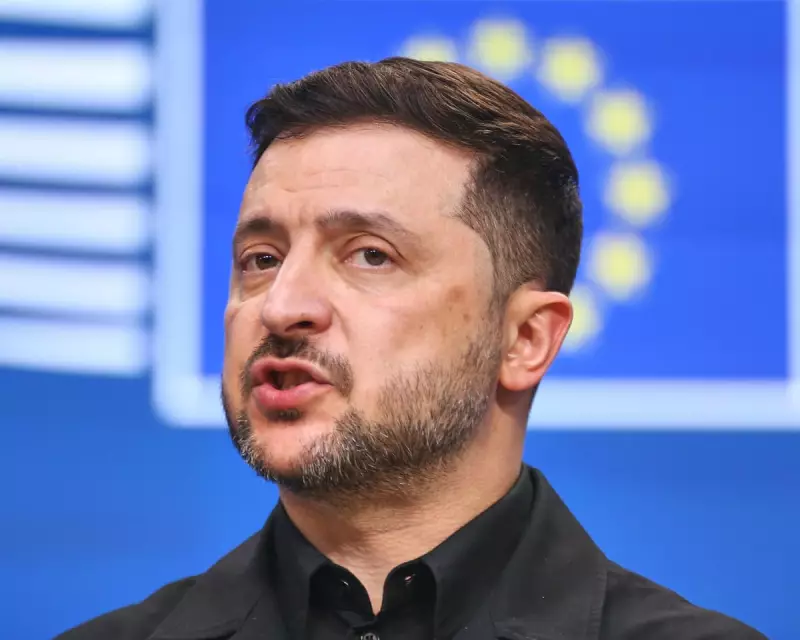
Ukrainian President Volodymyr Zelenskyy expressed his gratitude for the agreement, which he described as "significant support that truly strengthens our resilience." In a social media post, he thanked EU leaders for their unity. However, the summit failed to reach a consensus on a more contentious proposal: using frozen Russian central bank assets to fund the loan.
The leading option had been to tap around €200 billion of immobilized Russian funds held within the EU. This plan collapsed after Belgium, where most of the assets are held, demanded liability guarantees that other member states were unwilling to accept. Belgian Prime Minister Bart De Wever stated that "rationality has prevailed" with the final agreement.

The Details of the EU Financial Deal
The agreed package involves an interest-free loan for the next two years, backed by the EU's common budget. European Council President Antonio Costa, who chaired the talks, said the decision "will provide Ukraine with the necessary means to defend itself and to support the Ukrainian people."
European Commission President Ursula von der Leyen outlined that Ukraine would only need to repay the loan once Russia has paid for the damages it has caused. In a key compromise, Hungarian Prime Minister Viktor Orbán agreed not to block the deal on the condition that Hungary, Slovakia, and the Czech Republic be excluded from providing financial guarantees for the debt.
International Context: Pressure for Peace Talks
The EU's financial lifeline comes as former US President Donald Trump pushes for a rapid resolution to the conflict. Trump urged Ukraine to move "quickly" on reaching a peace deal, warning that delays could allow Russia to change its position.
This weekend, Trump envoys Steve Witkoff and Jared Kushner are scheduled to meet with Russian officials in Miami, Florida. This follows their talks with a Ukrainian delegation in Berlin last Sunday and Monday. The EU estimates that Ukraine requires an additional €135 billion to remain financially stable over the coming two years, highlighting the scale of the ongoing challenge.
While the €90bn loan offers crucial immediate support, the failure to utilise frozen Russian assets represents a significant political and moral setback for Kyiv, which had argued forcefully for their use.