Down Street station, a London Underground station in the heart of Mayfair, faced fierce opposition from wealthy residents who feared it would attract 'undesirables' to their neighbourhood. Despite this, the Great Northern, Piccadilly and Brompton Railway pressed ahead with plans, but local pressure forced the entrance to be built on a side street instead of the main road. When it opened on March 15, 1907, passenger numbers were poor from the start, exacerbated by its tucked-away location and proximity to more convenient stations like Hyde Park Corner and Dover Street. By 1932, Down Street station had closed to the public.
Transformation into a WWII Bunker
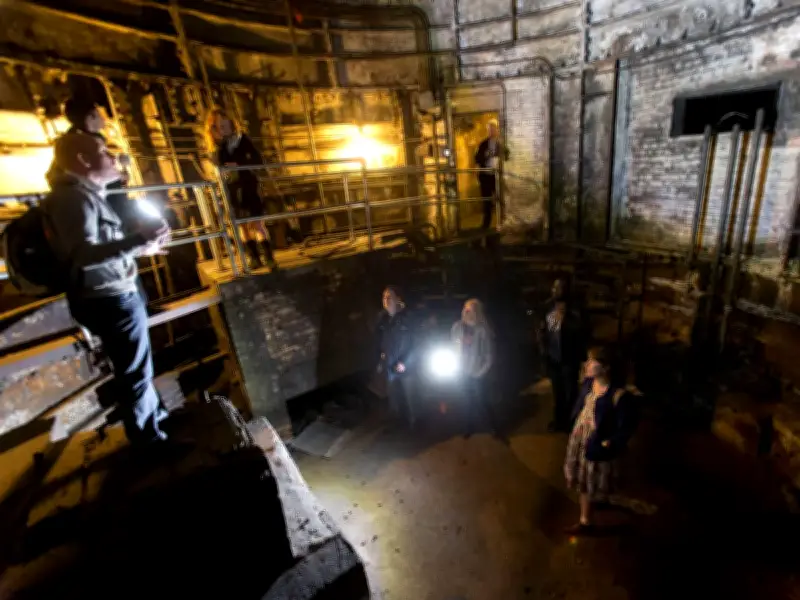
But the station's story did not end there. In 1939, with the outbreak of the Second World War, the former station was transformed into an underground refuge for the Railway Executive Committee, the body tasked with keeping the railways running during the conflict. The vast tunnels were converted into offices, bathrooms, dining rooms, and dormitories. According to Atlas Obscura, the corridors were barely wide enough for a tea trolley to navigate.
Secret Platform and Churchill's Use
A small section of the former platform remained in use. Trains would pass through this point, and if an executive placed a red lamp there, the next train would stop. There was just enough room for them to board alongside the driver, with no questions asked. Fellow passengers would have had no idea why the train had stopped. Given the bunker's security, Winston Churchill and several members of his government used it before the Cabinet War Rooms in Westminster were completed. Churchill fondly referred to it as 'The Barn'.

Post-War and Present Day
After the war, London Transport took ownership of the Down Street bunker, using it for engineering access and as an emergency exit. Many offices have since been stripped out, but those on the platforms remain. The London Transport Museum now runs guided tours of this fascinating abandoned Underground station.