Disinformation Was 'Central Accelerant' in Leicester Hindu-Muslim Clashes, Inquiry Reveals
Violence between Hindu and Muslim communities in Leicester during 2022 was significantly fueled by online disinformation and compounded by a failure of leadership from local authorities, according to a comprehensive independent inquiry. The report, titled Better Together: Understanding the 2022 Violence in Leicester, highlights how communal tensions escalated into unprecedented unrest in the East Midlands city, long celebrated as a model of community cohesion.
Leadership Vacuum and Police Shortcomings
The 200-page study, conducted by researchers from the School of Oriental and African Studies and the London School of Economics, found "no evidence of leadership" from Leicester City Council and its Labour mayor, Peter Soulsby, in managing rising tensions or providing adequate support to residents. The inquiry noted that repeated attempts to engage the mayor were declined, contributing to a leadership vacuum.
Leicestershire police were criticized for intelligence gaps, poor communication, and inconsistent operational decisions, alongside a lack of understanding of communal dynamics within South Asian communities. However, the report acknowledged that several police actions prevented even greater violence during the clashes.

Online Disinformation and Communal Polarization
The inquiry identified online disinformation as a "central accelerant of the crisis", spreading distrust and inflaming divisions. It found that both Hindu nationalist and political Islamist actors actively sought to exacerbate tensions for political ends, with Hindu nationalist groups possessing greater resources to influence the situation.
Chetan Bhatt, a sociology professor at LSE who contributed to the research, expressed alarm at the level of polarization, stating he had never before witnessed such mobilization between Hindus and Muslims in the UK. "You have never had hundreds of Hindus or hundreds of Muslims mobilizing to attack each other," he remarked, warning that communalism remains a serious risk to community relations nationwide.
Timeline of Escalating Tensions
The clashes in August and September 2022 were preceded by months of rising tensions, beginning with a violent attack by Hindu youths on a young Muslim man in May. Further incidents included:
- An egg attack on a Hindu household in early September
- A large march on September 17 by Hindu youths from Belgrave to Green Lane Road
- Confrontations between India and Pakistan cricket supporters on August 15
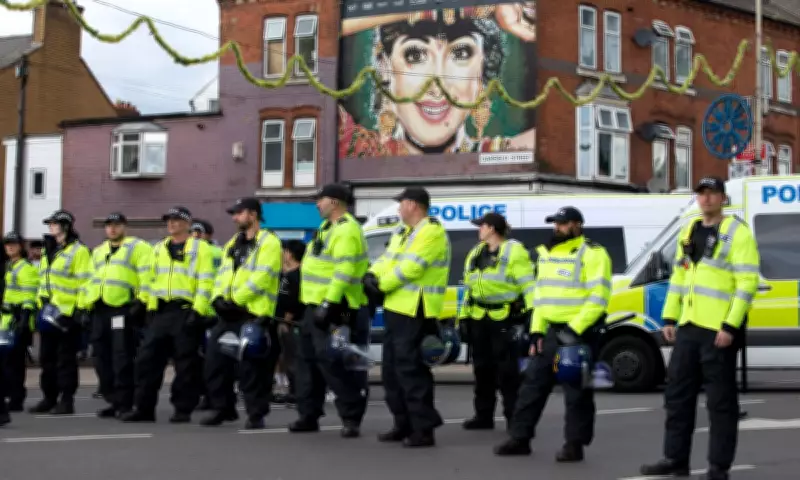
The disorder involved vandalism, assaults on homes and businesses, and attracted global attention. More than 50 people have been charged with offences linked to the violence.
Fragmentation and Imported Ideologies
The report warned that community coexistence in Leicester is "increasingly fragmenting" due to new migration patterns, economic decline, and the importation of political ideologies such as communalism, Hindutva, and political Islamism. It emphasized that communalism within South Asian communities in the UK needs urgent recognition and addressing.
Since 2022, no significant intercommunal meetings have taken place, contributing to continued mistrust and allowing polarizing narratives to fill the void.
Recommendations and Responses
Among the inquiry's key recommendations are:
- Creation of a permanent community unity forum
- Training for police officers on understanding communalism and sectarian dynamics
- Improved intelligence gathering and communication strategies
In response, Leicestershire police stated officers faced an "exceptionally complex set of challenges" and continue working with communities through joint patrols and cultural sensitivity briefings. Ch Supt Shane O'Neill emphasized ongoing engagement efforts to support recovery and learning.
Mayor Peter Soulsby said he would "look carefully at what they have to say" but expressed concerns about the inquiry's independence and methodology. Leicester City Council has been contacted for further comment.

The government, which commissioned a separate investigation chaired by Ian Austin following the unrest, is reviewing that panel's findings and recommendations. Both government and academic investigations have faced criticism from groups questioning their independence.