Restaurant Booking Error Sparks Unexpected Political Dialogue
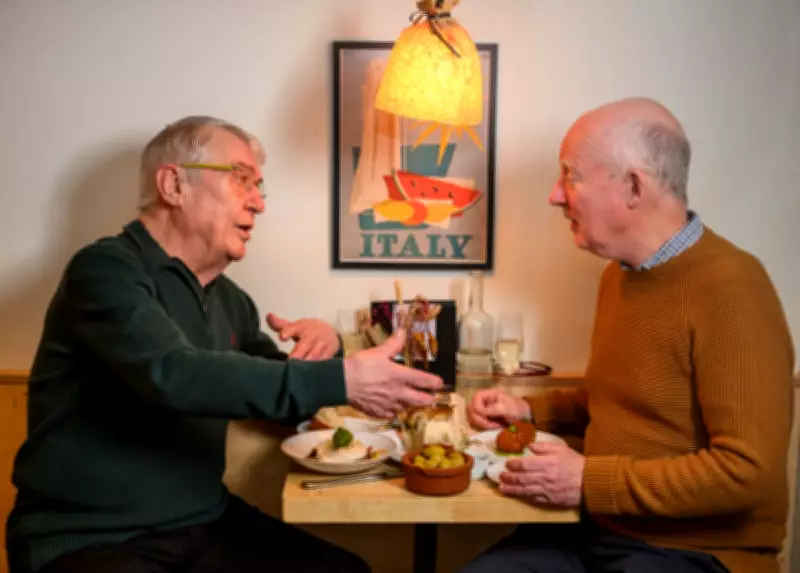
What began as a simple dinner reservation turned into an unexpected political discussion when a Bristol restaurant mistakenly booked two men as a blind date. Chris, a 72-year-old gardener and former teacher from Bradford on Avon, and Antony, a 69-year-old digital cartographer from North Somerset, found themselves sharing a table and discovering they had more in common than they anticipated.
From Booking Error to Political Exchange
The restaurant had our booking down as a Blind Date, Antony revealed. Not what we were after, but had it been, it would have been quite successful. Despite the initial confusion, the two men quickly found common ground, discovering they had both lived in London and shared interests in gardening and environmental issues.
Chris described Antony as a lovely guy and noted their contrasting backgrounds: Antony's a punk, while I'm more of an old hippy. Over rustic Italian dishes at Cotto in Bristol, including pappardelle pasta with venison and mussels on granular pasta, accompanied by orange wine, their conversation turned to pressing political matters.

The Deplatforming Debate: Reform UK and Free Speech
The discussion quickly turned to recent controversies surrounding Reform UK and university speaking events. Antony referenced a Bangor University debating society incident where Reform had wanted representation but wasn't invited. Reform said: you've cancelled us, free speech, blah blah, he noted. I think students can ask anyone they want to come. Maybe it would have been interesting to invite Reform, but they didn't have to.
Chris took a stronger stance against what he called cancel culture. I don't believe in cancel culture under any circumstances, he asserted. It stops people thinking and challenging themselves. It's that old thing: know thyself, know thy enemy. In Bangor, I think they should have said: yeah, one person from Reform come along.
Antony countered that cancelled is one of these meaningless terms. He argued that Reform wasn't actually cancelled but simply not invited, comparing it to hosting a party where organizers decide the guest list. Chris maintained that denying Reform a platform was strategically unwise, suggesting it gave them an open goal to gain publicity through outlets like the Telegraph and GB News.
Environmental Concerns and Agricultural Practices
The conversation shifted to environmental issues, where both men found significant agreement. They concurred that while eating meat is acceptable, intensive farming practices present serious problems. The mass production of meat is a real problem, Chris emphasized, pointing to pollution in the River Wye that campaigners have blamed on chicken farms.
Both criticized industrial agriculture while defending traditional farming methods. Chris noted that farmers, particularly in the dairy industry, get a really bad deal and are screwed down by the supermarkets and successive governments.
Right to Buy: A Contentious Legacy
Perhaps their most significant disagreement emerged when discussing right to buy policies. Antony, who began his career in housing associations in the late 1970s, called right to buy a disaster that took away councils' ability to provide housing for those in need.
We sold off assets that had been built up over 30 years and we're suffering the consequences, he argued, noting that while some benefited from substantial discounts, everyone down the line lost out. He connected this directly to today's housing crisis and the prevalence of former council housing in private landlords' hands.
Chris took a more nuanced position, acknowledging that people aspire to home ownership and that long-term council tenants might reasonably expect purchase options. However, he proposed significant reforms: I wouldn't stop right to buy, but I would insist all the money from it goes straight back into replacing social housing stock. He suggested sales should be close to market price with only modest discounts for tenancy.

Finding Common Ground Across Divides
Despite their political differences, both men valued the opportunity for substantive discussion. I really enjoyed having licence to discuss these topics, Antony admitted. I don't actually talk about stuff with a lot with people.
Chris found the experience thoroughly enjoyable and appreciated the depth of conversation. The dialogue even led to a practical connection: Antony, who is developing a productive forest garden, extended an open invitation for Chris to visit and see the project firsthand.
Their experience demonstrates that even those with different political perspectives can engage in meaningful dialogue when given the opportunity, finding both areas of disagreement and unexpected common ground over shared meals and thoughtful conversation.