The $15 Signature Bounty: How Billionaires Are Warping US Democracy
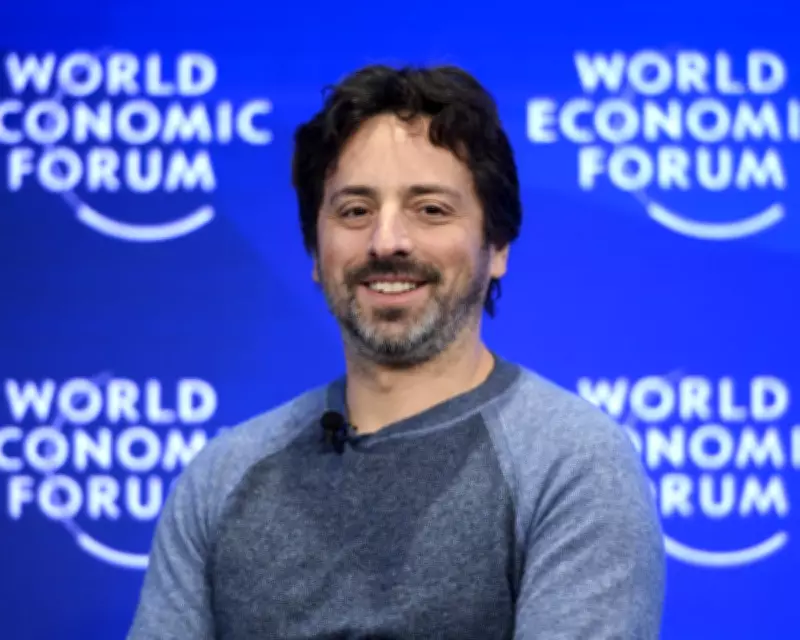
In California this spring, a new currency is emerging in the political arena: signatures, now fetching a staggering $15 each. This pay bump is directly funded by tech titans like Google co-founder Sergey Brin, who has poured $45 million into efforts to defeat a proposed billionaire tax in the state. Opponents of the wealth tax are projected to spend $75 million overall, with Brin's contribution alone suggesting he could easily shoulder a higher tax burden.
The Escalating Money Arms Race in American Politics
The crisis of money in US politics has intensified dramatically since the Supreme Court's 2010 Citizens United decision, which eliminated restrictions on independent corporate election spending. This ruling unleashed a flood of cash into Super PACs and dark money non-profits, fundamentally altering the political landscape. In 2024, billionaires accounted for 19% of all federal election donations, while organizations like AIPAC and AI industry groups are spending hundreds of millions on elections.
Texas recently witnessed the most expensive primary race in history, with over $125 million spent on advertising alone. The proportion of untraceable political donations continues to grow each election cycle, with $1.5 billion in Super PAC funds coming from sources that don't disclose their donors in 2024.

Wealth Inequality's Corrosive Effect on Democracy
Rampant income inequality has created a parallel democratic deficit. The wealthiest 10% of Americans now control 93% of the stock market, and the number of US billionaires has increased by 50% over the past eight years. This concentration of wealth translates directly into political power: while only 23 Americans donated $1 million or more in the 2004 election, that number exploded to 408 donors in the most recent cycle.
The Supreme Court is currently considering whether to eliminate one of the last remaining restrictions on political spending—caps on coordinated spending between parties and campaigns. This comes despite overwhelming public opposition to the current system, with more than three-quarters of Americans disagreeing with the Citizens United ruling and approximately 80% believing Congress is unduly influenced by wealthy donors.
Potential Solutions and Resistance
Given the Supreme Court's conservative majority, overturning Citizens United directly appears unlikely in the foreseeable future. However, alternative approaches are emerging to rebalance political power. Public election financing programs, currently implemented in 15 states and Washington DC, provide grants, vouchers, and matching funds that amplify small donations. These programs incentivize politicians to engage with ordinary citizens rather than just wealthy benefactors.
In Montana, activists are pursuing a novel legal strategy with the Transparent Election Initiative, which would strip corporations of their ability to engage in election spending within the state. The measure recently cleared a significant hurdle when the state Supreme Court allowed signature collection to proceed, despite opposition from industry groups.
At the national level, the Democratic National Committee is exploring ways to limit dark money's influence in future primaries, and increasing numbers of Democratic candidates are pledging to reject corporate PAC funding. Research shows voters from both parties are more likely to support politicians who refuse PAC money, suggesting growing public awareness of the problem.
The Path Forward
As America approaches its 250th anniversary, restoring public faith in democratic institutions requires confronting the corrosive influence of money in politics. While constitutional amendment remains a distant possibility given that only two have been ratified in the last half-century, state-level initiatives and public financing programs offer more immediate avenues for reform. The battle over California's billionaire tax represents just one front in a much larger struggle to reclaim elections from the highest bidders and return them to the people.