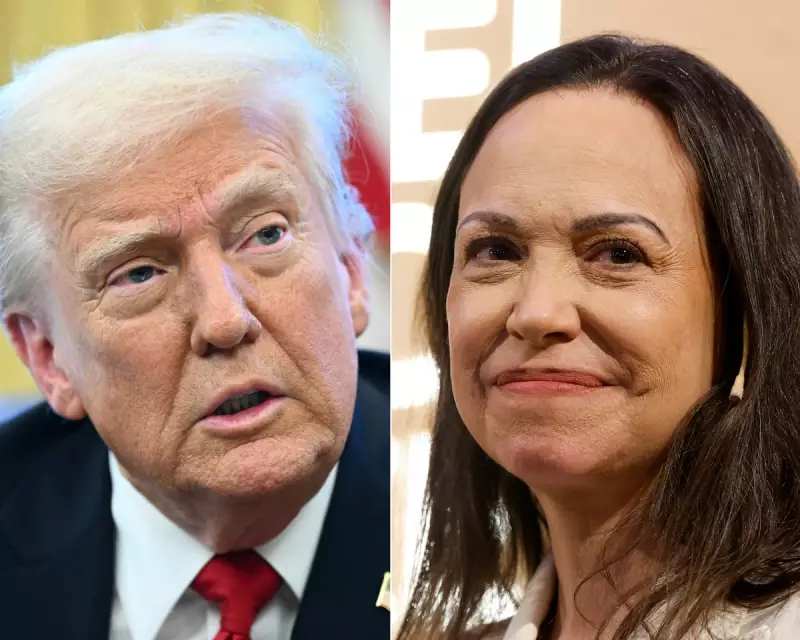
The political landscape took a surreal turn as Donald Trump positioned himself, rhetorically at least, as the acting President of Venezuela. His focus, however, appears laser-targeted on one specific national asset: the country's vast oil reserves. This unusual fixation has prompted analysts to delve into the potential motivations driving this strategy, which seem to blend economic policy with deeply personal obsessions.
The Economic and Political Drivers
Several tangible factors may explain the former US President's enthusiasm for appropriating Venezuelan oil. A primary concern is the domestic US economy, particularly the price of gasoline. Trump has historically been obsessed with fuel costs, viewing them as a key barometer of his administration's success. With crucial midterm elections on the horizon, anxieties about unemployment and voter sentiment are likely intensifying this focus.
Furthermore, memories of the 1970s oil crises, which created deep-seated fears of scarcity for an entire generation, may underpin a simplistic belief that securing cheap oil is a universal economic cure-all. Additionally, Venezuelan crude represents a potential source of revenue. This cash could theoretically bolster government coffers, adding to tariff income, or even be viewed as a means to diversify personal wealth away from volatile assets like cryptocurrency.

A Fantasy Built on Pop Culture and Myth
Beyond cold economic calculus, observers speculate that Trump's vision is fuelled by a more romanticised, almost childlike, narrative. It echoes tales from Upton Sinclair's novels about wildcatter prospectors striking it rich in the early 20th century. This is mixed with imagery from the television show The Beverly Hillbillies, which debuted when Trump was 16 and depicted a sudden, comedic rise to oil-fuelled wealth.
The vision extends to opulent, gold-plated palaces commonly associated with Middle Eastern oil fiefdoms, painting a picture of instant, boundless treasure. This perspective frames the pursuit less as geopolitical strategy and more as a primal 'lust for buried treasure,' untethered from complex modern realities of global energy markets, international law, and corporate risk.
Why Reality May Not Match the Dream
Despite the compelling nature of these motivations, the practical execution of this vision faces immense hurdles. Major international oil giants are likely to be extremely cautious, weighing the significant political instability, legal entanglements, and reputational risks involved in any sudden move into Venezuela under such controversial circumstances.
The notion that this oil could provide a quick, clean solution to US economic pressures or serve as a simple cash grab overlooks the intricate web of:
- Global market dynamics that determine oil prices.
- Sanctions and diplomatic frameworks governing such actions.
- Logistical and infrastructural challenges in revitalising Venezuela's crippled oil industry.
In essence, while the drivers behind Trump's Venezuelan oil fascination are clear—a mix of election-year economic anxiety, personal financial vision, and populist mythology—the plan itself may crumble upon contact with the hard surface of global economic and political reality.