Thousands of Afghans who assisted US forces are stuck in limbo in Qatar, facing an uncertain future in another war-torn country instead of the promised resettlement in America. President Donald Trump's executive order suspending refugee processing has left families like that of Hasina Nasimi stranded, with their flights to the US cancelled just days before departure.
Stranded in Qatar
Nasimi, her husband, and four children were scheduled to fly to Denver, Colorado, on January 27, 2025. But a week earlier, Trump signed an executive order halting refugee processing, abruptly ending their journey. They are among 1,100 Afghans, at least 700 of them women and children, who were evacuated by the US and now face the prospect of being sent to the Democratic Republic of the Congo (DRC).
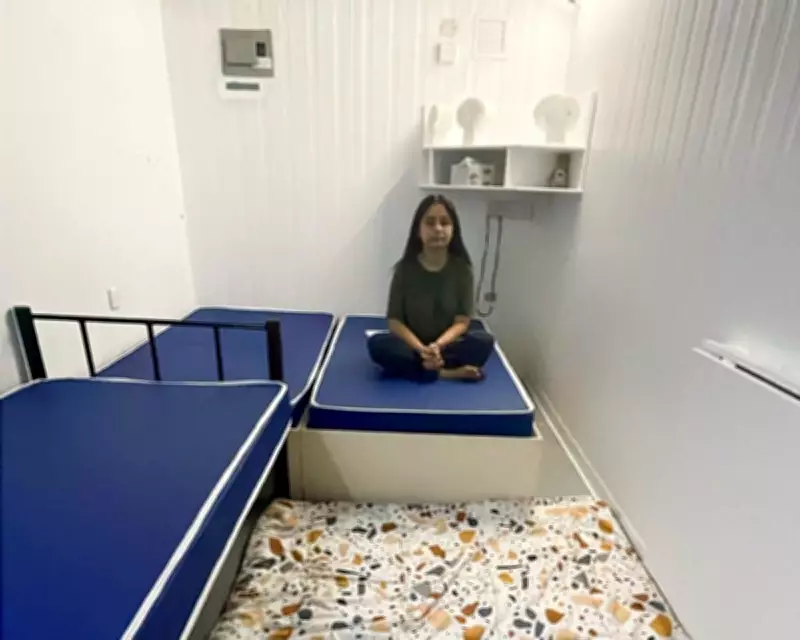
The families arrived in Qatar in December 2024, expecting a brief stopover at As-Sayliyah camp. Instead, they have been living there for nearly a year and a half in containers, sharing toilet and kitchen facilities, with no proper schooling for children and no permission to leave. Conditions have deteriorated further since the start of the US-Israeli war on Iran, with missiles flying overhead.

Desperate Conditions
Zahra Muhib, 15, arrived in Qatar days before Trump took office. She describes the camp as "hell" and "a prison." Her parents served as officers in the Afghan armed forces while the US was in the country, but after the Taliban returned to power, they faced threats and were offered resettlement under the P1 visa scheme. Now, Zahra lives in a small container with her parents and 11-year-old brother. She has been diagnosed with depression and anxiety, takes medication, barely sleeps, and has developed a skin rash. When she went to the hospital, GPS trackers were placed on her and her father.
Zahra says she would go to the DRC if forced, but she is tired of the uncertainty. She has been out of education for four years due to the Taliban's ban on girls' education and fears that the DRC offers no good education or healthcare.
Broken Promises
Shawn VanDiver, founder of AfghanEvac, an NGO supporting Afghans who worked with American forces, says the government is failing to uphold its commitments. "The only right solution is to bring them to America," he says. Sending families to the DRC raises serious concerns, as the country is in active conflict, lacks infrastructure, and already hosts over 600,000 refugees.
The State Department is also offering financial incentives to return to Afghanistan: $4,500 for the main applicant and $1,200 for each family member. But for Zahra's family, going back is not an option. They also cannot seek refuge elsewhere because their open immigration case with the US prevents other countries from accepting them.
Families Speak Out
Nasimi's brother Mohammad, who arrived in the US in 2013 and later served in the US army, says he tried everything to bring his family to safety. "I want Americans to know that their government has broken its promise," he says. For Zahra, the feeling is an all-consuming sadness: "I'm stuck here. My dreams are shattered. I don't dare to dream again."