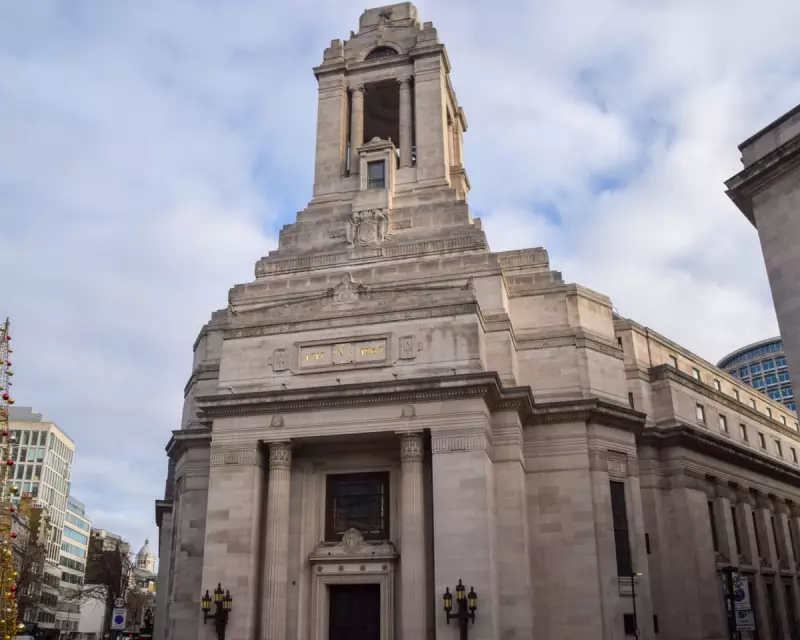
The Metropolitan Police is embroiled in a High Court battle after ordering its officers and staff to declare membership of secretive groups like the Freemasons, a policy that has so far seen over 300 individuals come forward.
Legal Showdown Over 'Hierarchical' Associations
Britain's largest police force introduced the mandatory declaration policy last month, requiring personnel to disclose any past or present involvement with organisations deemed "hierarchical, with confidential membership and requiring members to support and protect each other". The move has sparked fierce opposition from Masonic bodies, who have launched legal action claiming it constitutes religious discrimination and breaches human rights laws.
At a hearing this week, Mr Justice Chamberlain is considering an application for an injunction to block the policy ahead of a full trial. In a ruling published on Monday, the judge noted that 316 officers and staff had already complied with the declaration order. He stated there was no pressing need for immediate interim relief, as the Met had not indicated plans to discipline anyone for non-compliance in the coming weeks.

Freemasons Fight Back Against 'Discrimination'
The legal challenge is being brought by the United Grand Lodge of England (UGLE), the Order of Women Freemasons, the Honourable Fraternity of Ancient Freemasons, and a fourth party known as FSK. The court will also decide whether FSK can retain anonymity, after the Met alleged their Masonic involvement may already be public via a Facebook post.
Adrian Marsh, grand secretary of UGLE, told the Guardian that the applicant in the case is a serving Met officer, but denied they had publicly identified as a Mason. The Freemasons argue the policy is discriminatory, as their members are required to have a religious faith, and that it violates data privacy laws. They also point out that only 5% of Met staff participated in the internal survey that informed the policy.
A Bid to Restore Trust and Credibility
The Metropolitan Police is standing firm, vowing to defend the policy as a crucial part of its mission to restore public trust and credibility. The force cites internal survey results indicating that two-thirds of its personnel support the restriction because membership in such groups "affects public perception of police impartiality". Historical concerns about potential links between Freemasonry and corruption in the police service also underpin the decision.
The court heard that the Met has agreed to consider representations from the Masonic groups and whether to withdraw the policy. This case unfolds against a backdrop where Freemasonry has long had a presence in policing, with dedicated lodges like the Manor of St James's for Met officers and Sine Favore for Police Federation members.