
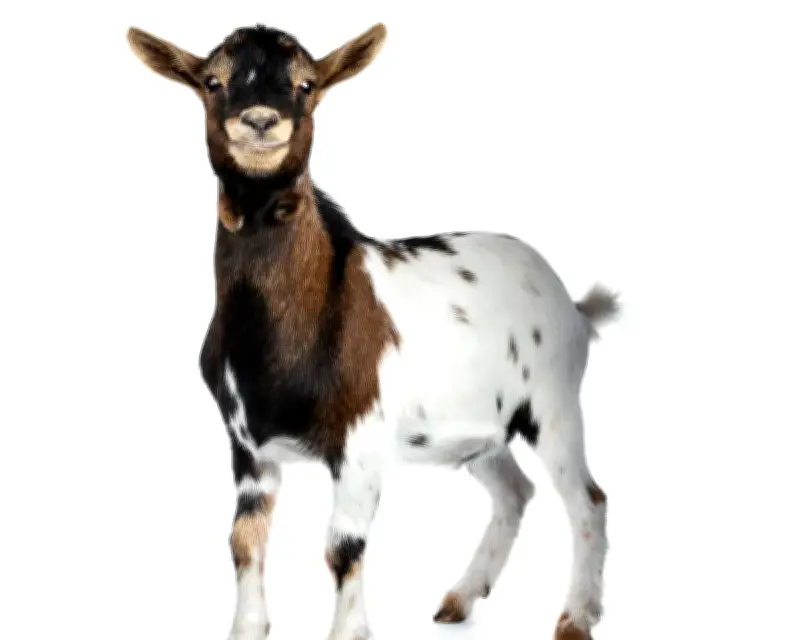
In a new twist on the Monty Hall problem, the optimal strategy reverses when the contestant’s goal changes from winning the car to winning a specific goat. According to the puzzle set by Alex Bellos, if you want the valuable goat, you should stick with your initial choice, not switch.
The Classic Monty Hall Problem
The standard Monty Hall problem, described by Bellos as “the most discussed recreational maths puzzle in history,” involves a contestant on the US game show Let’s Make a Deal. The host, Monty Hall, asks the contestant to choose one of three doors. Behind one door is a car; behind the other two are goats. To win the car, the contestant must pick the correct door.
After the contestant chooses a door, Monty Hall, who knows where the car is, opens one of the other two doors that has a goat behind it. He then offers the contestant the chance to switch to the remaining unopened door. The classic answer is that switching doubles the odds of winning the car, from 1/3 to 2/3, because the host’s reveal provides additional information.
The Golden Goat Variant
Bellos introduced a new version: the contestant secretly knows that one of the goats is the former pet of an eccentric billionaire, who is willing to pay an enormous amount for its return—far more than the car is worth. The host is unaware of this special goat. After the contestant picks a door, the host opens one door that he knows does not have the car, revealing a goat. The contestant can tell it is the ordinary goat, not the valuable one. The host then offers the chance to switch.
Surprisingly, the answer is that the contestant should not switch. Bellos explains: “When you want to win the car it makes sense to switch, but when you don’t want to win the car it makes sense to stick!”
Why Sticking Is Better
To illustrate, Bellos used a frequency analysis over 3,000 hypothetical games. In 1,000 games, the initial choice is the car; in 500 of those, the host opens the ordinary goat. In 1,000 games, the initial choice is the ordinary goat; the host never opens the ordinary goat in those cases (because he opens the other goat). In 1,000 games, the initial choice is the golden goat; the host always opens the ordinary goat in those cases.
Thus, in 3,000 trials, the host opens the ordinary goat 1,500 times. If the contestant sticks, they win the golden goat in 1,000 of those 1,500 cases, a win probability of 2/3. If they switch, they win in only 500 cases, a win probability of 1/3. Therefore, sticking is the better strategy.
Bellos credited the puzzle’s earliest reference to Henk Tijms, who alerted him to it. Bellos has been setting a puzzle on alternate Mondays since 2015 and encourages readers to suggest puzzles via email.




