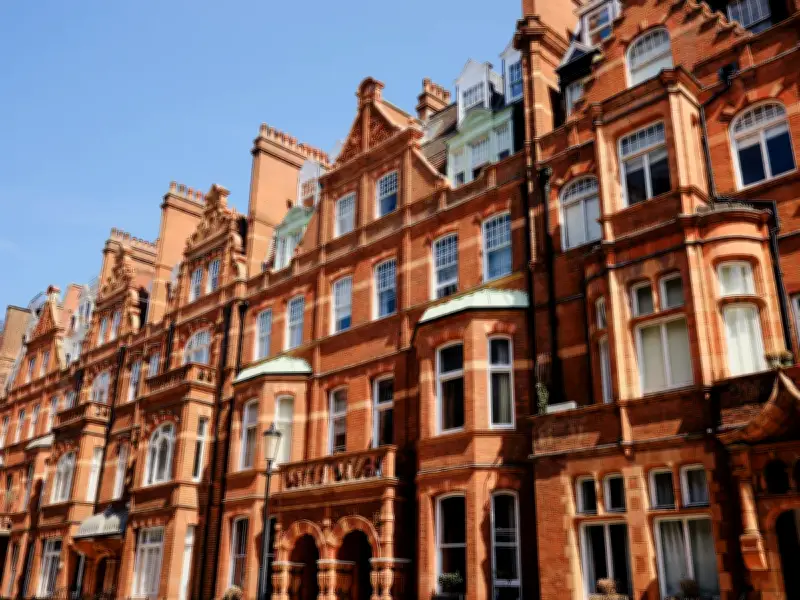
Four London borough councils have jointly written to the Government to oppose the planned 'mansion tax', warning that their residents would be disproportionately affected by the levy. The new charge, set to take effect in April 2028, would require owners of homes valued above £2 million to pay £2,500 annually.
The councils of Wandsworth, Richmond, Westminster and Kensington and Chelsea argue that the four boroughs could collectively contribute £275 million per year through this tax, which represents more than half of the total revenue anticipated across the UK. The letter also raises concerns that landlords may pass the additional costs on to tenants, and that homeowners whose property values have risen but who remain on modest incomes would be unfairly penalised.
Fairer share campaign and its implications
The 'mansion tax' is part of the wider 'fairer share' campaign supported by new Prime Minister Andy Burnham, which aims to redirect public funds toward less well-off areas in other parts of England. Proponents argue that such measures are necessary to reform what they describe as an 'outdated' tax system.

London residents, particularly in inner boroughs, typically enjoy lower council tax compared to the rest of England. For instance, Westminster residents, where the average property is worth well over £1 million, are mostly in Band G and pay £1,749.25 per year in council tax. In contrast, a Band G property in the City of Nottingham would incur a much higher annual charge of £4,592.32.
Council leaders voice strong opposition
Robert Morritt, leader of Wandsworth Council, has been a vocal opponent of the changes and is reportedly considering a record 160 per cent council tax increase due to broader Government funding cuts. He stated: "We won't get to keep a single extra penny raised, with Wandsworth residents hammered to pay for those elsewhere. Why should an additional tax on our residents’ houses be spent so far from their homes?"
Gareth Roberts, leader of Richmond Council, accused the government of "seeing Richmond residents as cash cows that they can milk to fix funding gaps elsewhere in the country, irrespective of whether they can afford to pay this new tax". Elizabeth Campbell, leader of Kensington and Chelsea Council, added: "This is not a tax carefully targeted at the very wealthy. It lacks nuance and will hit pensioners, families and long-standing residents whose homes have risen in value while their incomes have not."
Impact on residents and next steps
Paul Swaddle, leader of Westminster City Council, noted that high property values "do not always translate into high household incomes, and it risks creating unfair outcomes for residents whose property value does not reflect their ability to pay". The councils' joint letter seeks to persuade the Government to reconsider the policy before it is implemented in 2028.