
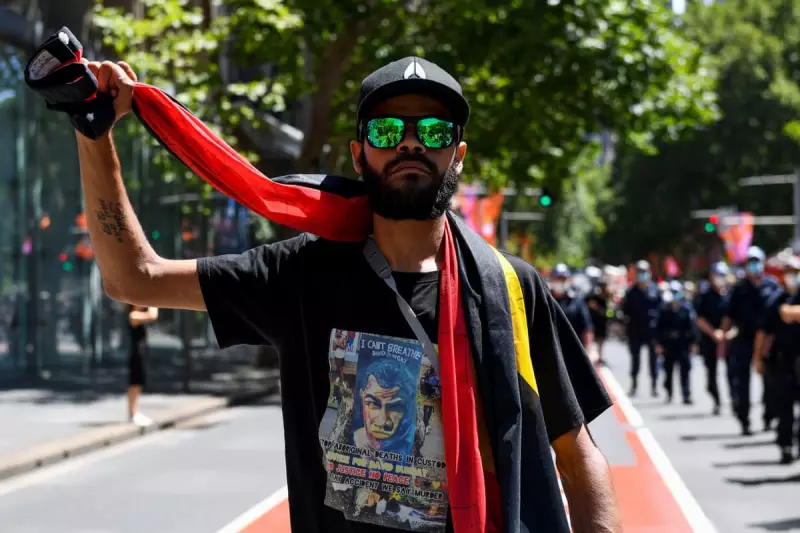
A decade after the death of David Dungay Jr in a Sydney prison, his family is preparing for a major rally in Hyde Park, framing their ongoing fight as a spiritual and cultural struggle for survival. The event comes as New South Wales grapples with a record number of Indigenous deaths in custody and controversial new laws granting police powers to ban protests.
A Decade of Grief and Unanswered Questions
David Dungay Jr, a 26-year-old Dunghutti man, died on 29 December 2015 while being restrained by guards in Long Bay jail. His nephew, Paul Silva, has spent the last ten years advocating for justice, a pursuit he describes as far more than political.
"The fight for justice is not just political – it is spiritual, cultural, and about survival," Silva stated. The family's pain is compounded by national statistics: in the 2024-25 period, Aboriginal and Torres Strait Islander people accounted for 33 of the 113 deaths in custody, the highest figure since 1979-80. NSW recorded the most deaths of any state.
On Monday, about 80 people gathered at Kempsey police station on the NSW mid-north coast to remember Dungay and protest these figures. "It not only marks the 10-year anniversary... but it was to also highlight the broader issues that Aboriginal people are facing," Silva explained.
New Protest Laws Cast a Shadow
The planned Sydney rally on 18 January faces a new legal landscape. Last week, NSW passed laws in response to the Bondi beach terrorist attack, granting the police commissioner powers to ban protests on streets for up to 14 days, extendable to three months following a terrorism determination.
These laws could impact not only the Dungay rally but also the upcoming Invasion Day rally on 26 January. Independent Senator Lidia Thorpe has sharply criticised the legislation, arguing the Bondi attack should not justify stripping democratic rights.
"History shows that when governments grant themselves broad powers to restrict protest, those powers are used first and most harshly against First Peoples and other marginalised communities," Thorpe told Guardian Australia. She emphasised that peaceful protest is a protected human right and a fundamental pillar of democracy.
A Family's Unwavering Resolve
For Paul Silva and his family, the individuals behind the statistics are irreplaceable loved ones. "They are not just statistics to us … they are family members, they are brothers, sisters, mothers, cousins and fathers," he said. Since the landmark 1991 royal commission, over 600 First Nations people have died in custody.
Despite the potential for the Hyde Park rally to be affected by the new police powers, Silva vows the family will not be silenced. If banned, they will adapt and "tackle them strategically." The rally serves as a poignant reminder of a life lost and a system that, in the family's view, has failed to deliver accountability.
The gathering will mark ten years since David Dungay Jr was laid to rest, transforming personal grief into a public demand for systemic change and justice for all Aboriginal people who have died in custody.




