Five Years On: The Lingering Trauma of a Vigil Arrest
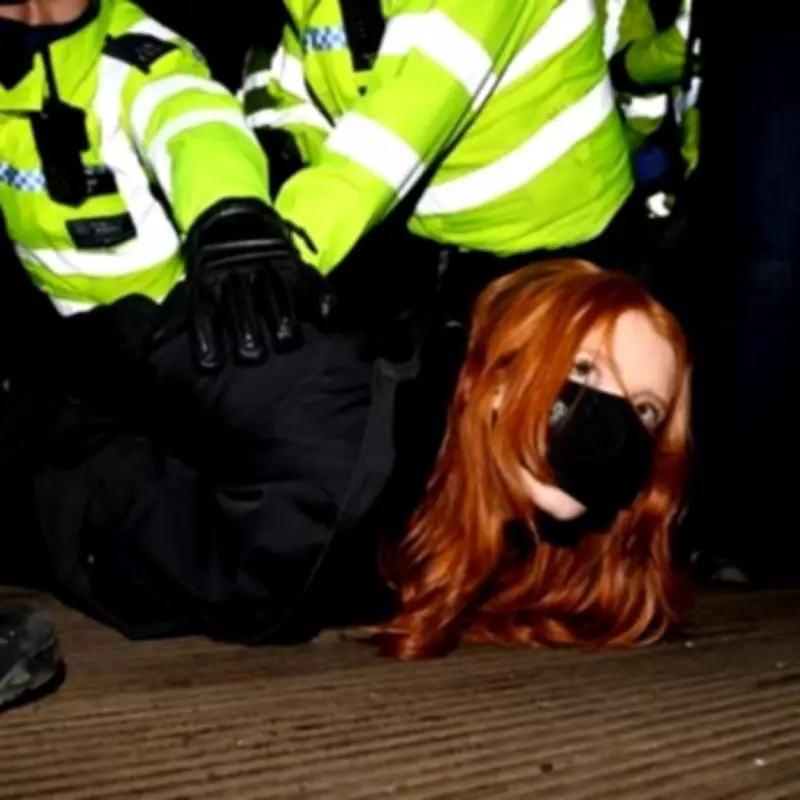
Five years after being forcibly detained by police at the Sarah Everard vigil on Clapham Common, Patsy Stevenson continues to cope with the profound psychological aftermath. The incident, which occurred during a peaceful gathering to honor Sarah Everard—a woman kidnapped, raped, and murdered by serving police officer PC Wayne Couzens—left Stevenson pinned to the ground by two male officers, an image that quickly went viral without her consent.
A Viral Moment Without Support
"I had a lot of nightmares, not just from the arrest but also from going viral," Stevenson disclosed. "I'm still dealing with that now because there was absolutely no aftercare. There was no one helping me, supporting me. I didn't understand what was happening at the time. A camera shouldn't be shoved in someone's face after they go through a traumatic event. It undeniably made things worse."
In September 2023, the Metropolitan Police settled with Stevenson and fellow participant Dania al-Obeid, offering damages under the Human Rights Act, along with an apology and acknowledgment of their right to protest. However, this legal resolution has not alleviated the daily struggles Stevenson faces as a gender equality campaigner, a role she describes as being "thrown into" following the vigil.
Ongoing Threats and Anxiety
Stevenson's life has been marred by persistent anxiety, online abuse, and even physical threats. She has been targeted with conspiracy theories labeling her a crisis actor, and in one alarming incident, was lunged at by an individual with a prior arrest for attempted stabbing. "He came at me saying 'you're the girl from Sarah Everard vigil, it's you'," she recalled. "And I don't know what his stance was but that's what's worrying. There will be people on the other side that just despise what I do and what I say."
Despite these challenges, Stevenson emphasizes the power of dialogue, noting that she often changes minds through conversation. "A lot of the time, it is just education," she added, highlighting the misconceptions surrounding activism.
Criticism of Police and Protest Laws
The vigil sparked fierce criticism of the Met Police for what many deemed heavy-handed policing, and Stevenson remains skeptical of institutional change. "There was this spike of outrage after the vigil, and it goes up and then it sort of dithers back down," she said. "I've still not seen any meaningful change - it's all buzzwords. I fully believe the force should be abolished, more so than I did before."
Since 2022, over 1,400 officers have been dismissed or resigned amid a crackdown on misconduct, yet Stevenson argues that activists continue to be demonized, especially as protest laws tighten. "I wasn't even an activist," she reflected. "I was putting flowers and candles down for Sarah."
Shifting Focus and Personal Impact
Today, Stevenson has redirected her efforts toward ethical technology and AI, aspiring to create her own social media platform. However, with a significant online presence and constant media requests, she admits to feeling conflicted about her influence. "I am very hard on myself, I'm my own biggest critic," she confessed. "I often thought I'm not doing anything, I'm not changing anything."
Yet, she finds solace in the indirect impact of her actions. "However, because we can't see the physical changes, we don't always notice what's happened until years later. I've had a lot of people speak to me and say 'because you did this thing years ago, I then got into this' and I hope giving them some sort of hope or inspiration can in itself illicit change."
A New Vigil and Personal Remembrance
A new vigil for Sarah Everard is scheduled for March 3, 2026, at Clapham Common, organized as a peaceful, non-political remembrance to raise funds for Solace, a charity supporting victims of domestic abuse and sexual violence. Stevenson has chosen not to attend, opting for a private tribute instead. "I cannot imagine the pain of what happened to Sarah and her family," she said. "I will light a candle for her in my own way."
As the fifth anniversary approaches, Stevenson's story underscores the enduring trauma of that night and the complex legacy of a movement born from tragedy.