Protesters Attempt to Halt Forced Return of Iranian Women Footballers
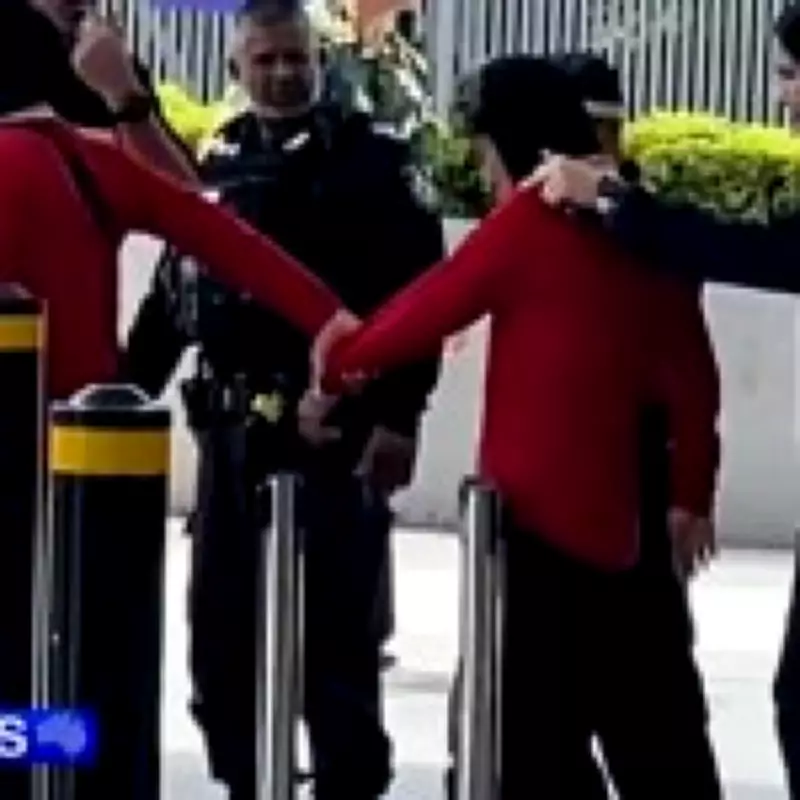
In a dramatic turn of events on the Gold Coast, protesters made a renewed effort today to stop a bus transporting the Iranian women's football team to the airport, aiming to prevent their forced return to Iran. The incident unfolded as new footage emerged showing one of the players in tears as she was escorted onto the bus by two teammates, highlighting the emotional turmoil surrounding the team's situation.
Acts of Resistance and Escape
The team's silence during the national anthem before their opening loss to South Korea last week was interpreted by some as an act of resistance and by others as a gesture of mourning, though the team has not provided clarification. In subsequent matches, they sang and saluted during the anthem, but tensions escalated when five members escaped their hotel to seek asylum in Australia. After the team was eliminated from the tournament over the weekend, head coach Marziyeh Jafari stated, according to Australia's national news agency AAP, that the players wished to return to Iran as soon as possible.
However, as the bus departed, some team members flashed an 'SOS' hand signal to crowds outside, prompting protesters to surround the vehicle. This intervention allowed the five refugees to escape and apply for humanitarian visas, with one supporter near the bus playing a recording she claimed was from a player's mother, urging her daughter to remain in Australia. The supporter, Farak, told the Guardian she obtained the recording from a friend in Iran and intended to play it during the team's layover in Sydney, believing it would influence the player's decision.
Political Reactions and Ongoing Crisis
Not all players managed to escape, with one seen weeping as she was led onto the bus, underscoring the precarious situation. The crisis drew international attention when former U.S. President Donald Trump criticized Australia on social media, accusing the country of making a 'terrible humanitarian mistake' by allowing the team to be forced back to Iran, where he claimed they would likely face harm. Trump called on Australia to grant asylum and offered U.S. assistance, stating, 'The US will take them if you won't.'
Less than two hours later, Trump praised Australian Prime Minister Anthony Albanese in another post, noting that five players had already been secured and the rest were being processed. This rapid shift in tone reflects the volatile nature of the situation, with protesters and political figures alike advocating for the players' safety amid fears of persecution in Iran.
The incident highlights broader issues of human rights and political resistance, as the Iranian women's football team becomes a focal point in ongoing tensions between Iran and the international community. The protesters' actions and the players' desperate signals for help underscore the urgent need for humanitarian intervention in such cases.