Massive Progressive March to Counter Far Right in London
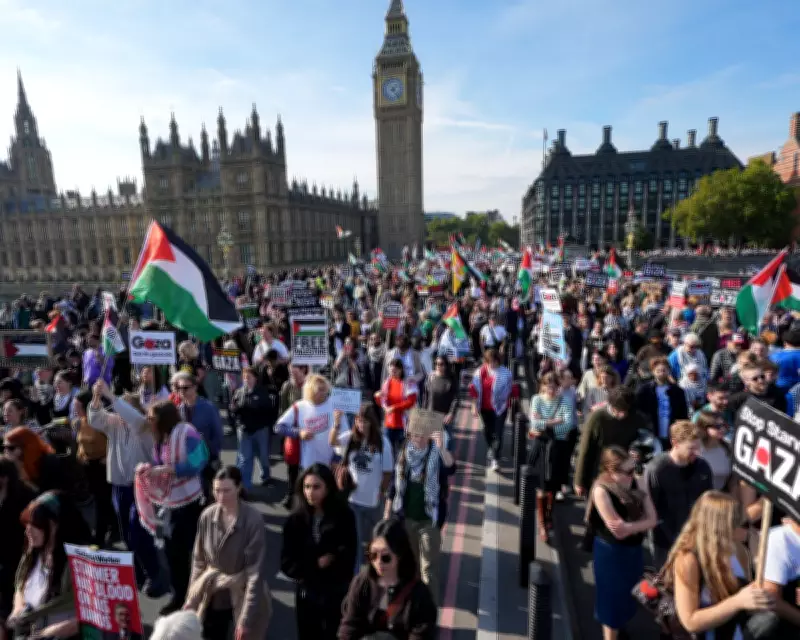
This weekend, London's streets will witness a significant demonstration as the Together Alliance march brings together a broad coalition of unions, campaigners, and cultural figures to protest against the rise of the far right in the United Kingdom. Organizers anticipate a large turnout, with thousands expected to march through the city towards a rally in Trafalgar Square, featuring speeches and performances from high-profile supporters.
Broad Coalition of Supporters
The event has garnered support from a diverse array of groups and individuals, including musicians like Brian Eno and Self Esteem, actors such as Christopher Eccleston and Maxine Peake, and politicians from various progressive parties. Notable participants include Your Party's Zarah Sultana, former Labour leader Jeremy Corbyn, Green party's Zack Polanski, and Labour left figures Rebecca Long-Bailey and Dawn Butler. However, members of the Conservatives, Reform UK, and the Labour frontbenches are notably absent.
Robyn Vinter, a journalist covering the march, notes that the support reflects a familiar pattern in British protest movements, where politics and culture intersect. "There's always a sense of unpredictability with these events," Vinter says. "My instinct is that it's going to be very big." She adds that the march includes a festival element in Trafalgar Square, which, combined with good weather and well-known figures like Paloma Faith and Jessie Ware, attracts a wide audience.
Response to Growing Far Right Activity
Organizers state that the march is a direct response to increasing far-right activity, including large demonstrations and anti-migrant unrest in recent years. They argue that racist narratives are being used to scapegoat migrants and asylum seekers for broader social and economic pressures. The mobilization aims to serve as a visible counterweight, demonstrating widespread and organized opposition to these ideas.
Vinter explains that many on the progressive left have felt politically adrift since the Corbyn era, but recent protest networks, such as those built around Gaza and Palestine demonstrations, have created a larger base for activism. "You've got more than 100 organisations involved here – trade unions, environmental groups, all sorts – and they've brought in people who might not previously have seen themselves as activists," she says.
Historical Context and Current Fears
The march draws parallels to historical movements like Red Wedge in the 1980s, which campaigned to support Neil Kinnock against Margaret Thatcher. Figures like Paul Weller and Billy Bragg, involved in past efforts, are backing Saturday's event. Vinter observes that social media algorithms have relentlessly promoted the march, indicating its potential reach despite limited traditional media coverage.
Last year, a far-right protest in London organized by Tommy Robinson attracted an estimated 110,000 people, leading to clashes with police and numerous arrests. Vinter suggests that fear from such events is driving organization for this march. "People saw the riots the summer before last, and the big far right demonstrations. It worried people, and I think it made a lot of them feel they needed to do something," she says. The march provides an outlet for those feeling powerless against the rise of the far right.
Potential Impact and Broader Implications
Whether this march marks a turning point for the progressive left or simply another chapter in ongoing protest cycles remains to be seen. However, its expected scale and broad support align with a trend in British politics where people are more willing to unite against perceived threats rather than for specific causes. The event highlights a growing readiness among citizens to take collective action in response to political shifts.
As London prepares for this significant demonstration, it underscores the ongoing tensions between progressive and far-right movements in the UK. The Together Alliance march aims to showcase a more inclusive vision for Britain, challenging populist narratives and fostering solidarity across communities.