
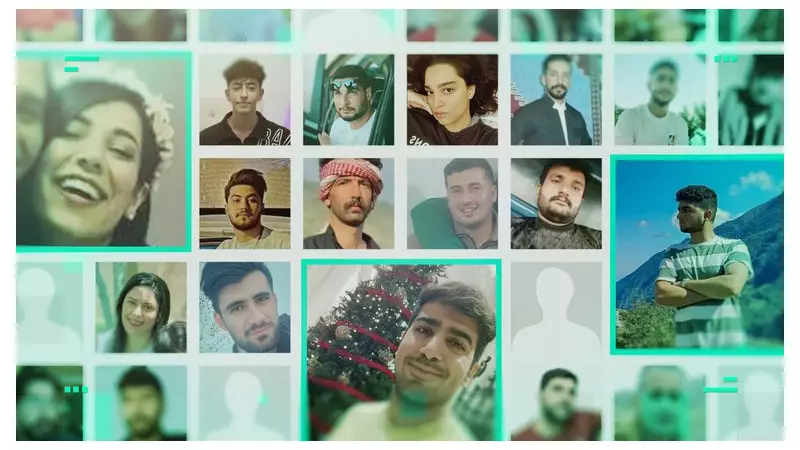
A Sky News investigation has verified the deaths of over 110 individuals killed during widespread anti-government protests in Iran over the past three weeks, uncovering disturbing evidence of state violence and systematic attempts to conceal the true scale of the brutality.
Uncovering the Victims: A Glimpse into the Morgues
Human rights organisations estimate the total death toll runs into the thousands, a figure obscured by a government-imposed internet blackout. Sky News's Data and Forensics team has painstakingly verified individual cases using video evidence from morgues, social media reports, information from human rights agencies, and interviews with grieving family members.
Among the over 110 verified victims are six women and eleven children. They include Nazli Janparva, a 27-year-old fashion designer shot dead in Tehran on 8 January, and Taha Safari, a 15-year-old boy killed during protests in Azna on New Year's Day. The team has compiled a list of around 200 names, with verification work ongoing.
One witness, identified only as Kiarash after fleeing Iran, provided a harrowing account of searching a warehouse where bodies were stored. "There were so many children there," he told Sky News. "They were in small bags - thrown between two warehouses." He described a mother finding her child's body, screaming, "this is my baby…please don't touch her."
Systematic Deception and 'Bullet Fees'
The investigation reveals a pattern of official misinformation and financial exploitation of bereaved families. In almost all verified cases, victims died from gunshot wounds. However, authorities have repeatedly issued false causes of death.
The death certificate for 18-year-old Amir Ali Haydari, shot in the heart and beaten in the head at a protest, listed his cause of death as a fall from a height. The cousin of 18-year-old Sourena Golgoun said authorities pressured families to claim victims were "killed by terrorists, not with the IRGC."
Furthermore, families report being forced to pay exorbitant fees to retrieve their loved ones' bodies. Some have been asked for up to £7,000, with the Norway-based group Hengaw reporting demands as high as £21,000 in some cases. This practice echoes previous crackdowns where so-called "bullet fees" were levied to cover the cost of the ammunition used in the killings.
A Nation Silenced, Stories Unheard
The internet blackout, lasting over a week at the time of the investigation, has severely limited the flow of information. 8 January, the day the internet was shut off, was the deadliest single day in Sky News's analysis. Protests and killings have occurred nationwide, with no apparent pattern in who is targeted.
Human rights lawyer Leila Alikarami states that the misrepresentation of causes of death "undermines the right to truth, obstructs accountability, and violates Iran's obligations under international human rights law."
As the blackout continues, the full scale of the tragedy remains unknown. An Iranian woman in Canada told Sky News, "As soon as I try to close my eyes and sleep, the first image that comes to my mind is images of the morgues." She shared a final message from a friend who was protesting: "If I am dead, tell the world that I am dying for liberty." While Sky News continues to track the lives and deaths of those killed, thousands remain unaccounted for, their names and stories potentially lost to silence.




