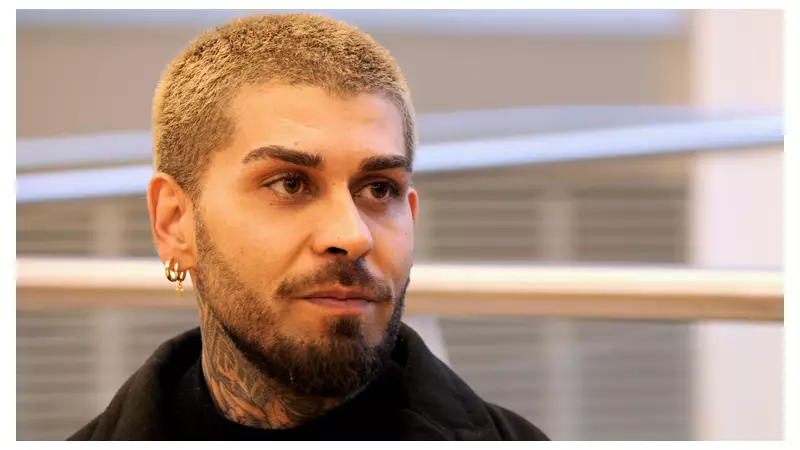
An Iranian rapper who witnessed the recent, violent crackdown on protests in Iran has described scenes of a "massacre on the streets," alleging that foreign militias were deployed and bodies were left in public as a grim warning to others.
Eyewitness Account of Escalating Violence
Meraj Tehrani, a musician now based in the UK, returned to Iran on business in early January as nationwide demonstrations, initially sparked by economic woes, erupted into a direct challenge against the ruling regime. He told Sky News' Alex Rossi that the authorities were initially surprised by the scale of the protests, which saw millions take to the streets before an internet blackout was imposed.
"I've never seen an Iranian mood like that," Tehrani said, describing a rare national unity. "Everyone was united, everyone was hoping, 'This is the time'. Everyone was chanting together for the first time."
The situation deteriorated rapidly. After initial use of non-lethal force, Tehrani claims the violence escalated sharply on the evening of Friday, 9 January 2026, when the Revolutionary Guard intervened. "That's when the majority of the killing started," he stated, characterising the events as a full-blown massacre.
Bodies Left as a Terror Tactic
Tehrani described seeing harrowing video evidence of protesters being shot. He asserted that security forces deliberately left the bodies of victims in the streets. "They get panicked and scared and it is a lesson for them, 'You are next if you're coming out on the street'," he explained. The message was clear: anyone demonstrating would share the fate of the men, women, and children killed.
He further alleged that the perpetrators used machine guns to fire at crowds randomly and displayed military precision, targeting heads and chests. Tehrani believes this indicates the involvement of foreign fighters, specifically naming Iraqi militia groups like the Popular Mobilisation Forces, brought in to suppress the unrest.
Regime Admission and International Silence
On Saturday 17 January 2026, Iran's Supreme Leader, Ayatollah Ali Khamenei, publicly acknowledged for the first time that "several thousand people" had been killed in the protests. This aligns with figures from the US-based Human Rights Activists News Agency, which has verified 3,090 deaths, including 2,885 protesters.
Despite this admission, Khamenei blamed the unrest on "American sedition" and actors linked to Israel and the US. Meanwhile, Tehrani expressed profound disappointment with the international community's response, directly questioning the silence of the European Union and UK Labour leader Keir Starmer.
Now facing threats on social media and fearing execution if he returns, Tehrani vows to continue being a voice for his people. "The whole world needs to understand and hear us. How can we be terrorists? We just want a better life. We just want freedom," he said. Convinced the regime's days are numbered, he estimates its collapse could come in "less than two months."