
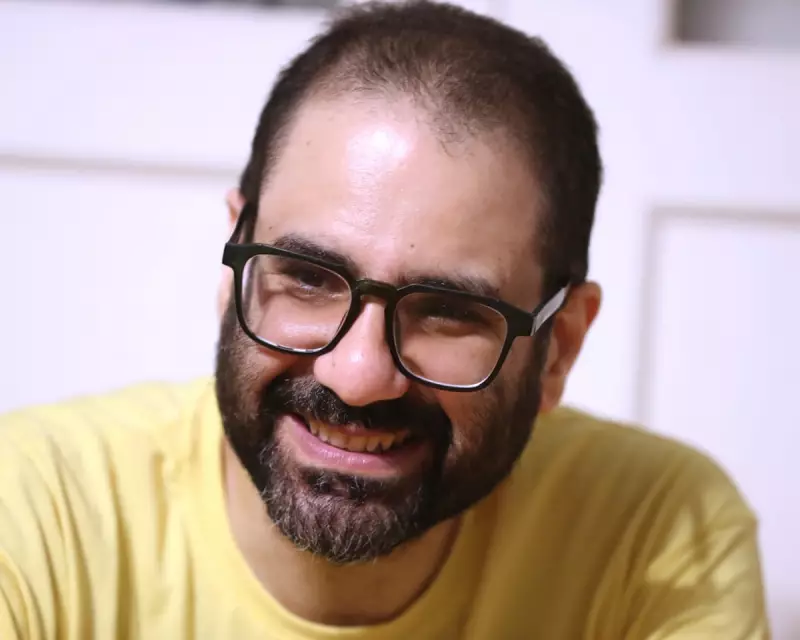
The release of British-Egyptian democracy activist Alaa Abd el-Fattah from detention in Egypt has been swiftly overshadowed by a fierce backlash over his historic social media posts. His freedom last Friday, secured after years of campaigning by successive Conservative and Labour governments, has ignited a political firestorm in the UK.
Controversial Posts from the Arab Spring Era
The focus of the controversy centres on posts written on X, formerly Twitter, between 2010 and 2012. During this period, coinciding with the Arab Spring, Abd el-Fattah was in his late twenties. Screenshots circulating online, which could not be immediately verified, appear to show him making inflammatory remarks.
He is alleged to have described the killing of Zionists as heroic, adding "we need to kill more of them". In 2011, he is accused of stating police "don't have rights, we should just kill them all". Further posts from the time of the London riots in August 2011 allegedly urged people to "Go burn the city or downing street or hunt police u fools". He also once referred to British people as dogs and monkeys and declared himself a racist who did not like white people.
Apology and Political Fallout
In a lengthy statement issued in the early hours of Monday, Abd el-Fattah issued a profound apology. He said he understood "how shocking and hurtful" his past comments were, attributing them to the anger and frustration of a young man during a time of regional wars and rising police brutality in Egypt.
He expressed particular regret for comments made during "online insult battles" and stated some tweets had been "completely misunderstood" and "twisted out of their meaning". Despite this apology, the revelation has caused significant political embarrassment.
A Number 10 source confirmed that Prime Minister Keir Starmer, his deputy, and the Foreign Secretary were unaware of the posts, which the government condemned as "abhorrent". Senior Conservatives, including former leader Iain Duncan Smith and ex-foreign affairs committee chair Alicia Kearns, said they regretted lobbying for his release, claiming ignorance of his social media history.
Calls to Revoke Citizenship and Police Assessment
The controversy has triggered demands for Abd el-Fattah to be stripped of the British citizenship he was granted in 2021 under Boris Johnson's government. Conservative leader Kemi Badenoch called on Home Secretary Shabana Mahmood to examine whether his "citizenship can be revoked and he can be removed from Britain".
Shadow Home Secretary Chris Philp echoed this, suggesting revocation under the 1971 Immigration Act on grounds he was not "conducive to the public good". However, Emily Thornberry, chair of the foreign affairs select committee, dismissed this as not based in law, noting citizenship cannot be removed from a sole British national for a historical tweet.
Reform UK leader Nigel Farage reported the activist to counter-terrorism police. A spokesperson for counter-terrorism policing confirmed they had received referrals and specialist officers were assessing the historical posts.
This is not the first time Abd el-Fattah's online comments have caused trouble; a 2012 tweet cost him a nomination for the European Parliament's Sakharov prize in 2014. Nevertheless, UK governments continued to campaign for his release, believing him to be unfairly detained by Egyptian authorities.




