A major constitutional challenge against Victoria Police's controversial stop-and-search powers is unfolding in the Federal Court, with a senior officer facing cross-examination today.
Court Scrutinises CBD 'Designated Area' Powers
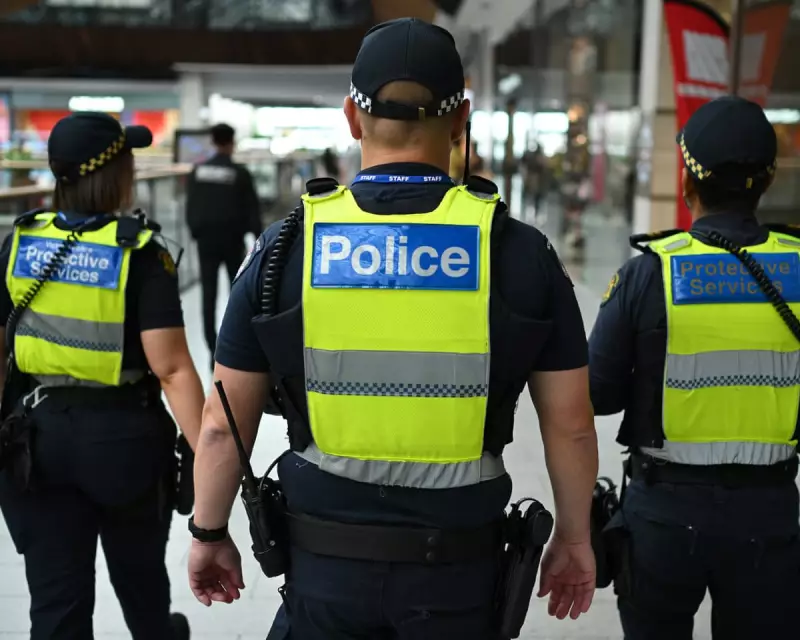
The hearing, now in its second and final day, centres on a declaration that made Melbourne's Central Business District a designated area for four months under the Controlled Weapons Act. The declaration, which was revoked four months early on 9 January, granted police and protective service officers extraordinary powers.
During the period, officers could stop and search any individual without a warrant while they were within the CBD zone. They were also empowered to require people to remove face coverings, irrespective of whether they were worn for political protest, health reasons, or protection against substances like pepper spray.
Freedom of Political Expression at the Heart of the Case
Constitutional arguments presented yesterday focused on two key issues. The first is how police interpret the implied freedom of political communication. The second, and more contentious point, is whether a protester wearing a face covering constitutes a legitimate form of political expression, or if it is primarily an act of concealing identity to potentially commit a crime.
The challenge has been brought by a trio of activists, who argue the sweeping powers overstepped legal boundaries. Their legal counsel will today cross-examine Victoria Police's Assistant Commissioner on the stand, probing the justification and application of the powers.
Implications for Policing and Protest Rights
The outcome of this federal court challenge could have significant ramifications for policing tactics and the rights of citizens to assemble and protest. A ruling against the police could limit the future use of such broad stop and search authorisations, reinforcing the need for proportionality and respect for fundamental freedoms.
The case highlights the delicate balance between maintaining public order and safeguarding constitutional liberties, a debate now placed squarely before the judiciary.