Experts Respond to Mass Teen Meet-Ups in Clapham: A Deeper Look
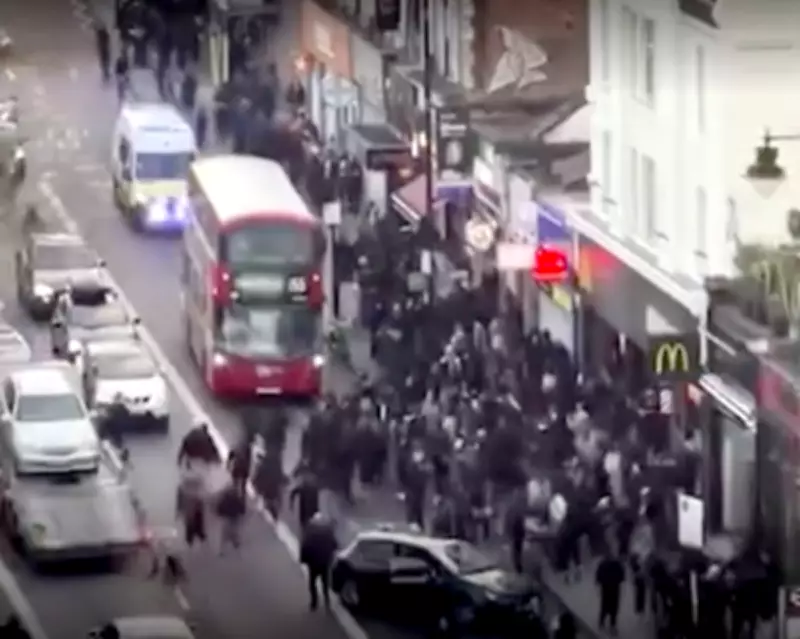
Hundreds of young people gathered on Clapham High Street in London last Saturday, with a similar event occurring just three days later. The gatherings, organized through social media, led to chaotic scenes, including disturbances in local shops and fireworks on Clapham Common. The Metropolitan Police responded with a 48-hour dispersal order, resulting in six teenage girls being arrested.
Political and Public Reaction to the Unrest
Outrage quickly followed the events, with headlines decrying "feral teenagers" and political figures weighing in. Conservative leader Kemi Badenoch stated the disorder reflected a "culture where too many young people believe they can do what they like and nothing will happen." London Mayor Sadiq Khan condemned the "utterly appalling" scenes, while Reform UK leader Nigel Farage claimed the unrest was evidence of "societal breakdown." Additionally, the boss of Marks & Spencer called for a crackdown on "brazen, organised, aggressive" retail crime.
The Role of Social Media in Organizing Gatherings
The Metropolitan Police noted that these events are "fuelled by online trends and viral content on social media platforms." A flyer sent via Snapchat invited teenagers to a south London basketball court to celebrate the start of the Easter holidays, encouraging them to bring their own substances for a late-night gathering. While young people organizing events online is not new, experts highlight the increased speed and scale of dissemination through platforms like Snapchat and TikTok.
Lee Elliot Major, a professor of social mobility at the University of Exeter, explained, "There's nothing new about young people organising mass meet-ups. What's changed is the context. We've dismantled the physical spaces where young people used to gather safely: youth clubs, community centres, even affordable public venues. Digital platforms have taken their place, organising gatherings at speed and scale."
Lack of Public Spaces and Youth Services
Elliot Major emphasized that the lack of places for teenagers to hang out in person is a significant factor, with digital spaces now serving as the primary means for organizing real-life encounters. This analysis aligns with the experience of a teenager who attended the Clapham link-up, who told Metro, "I think some people just wanted to chill somewhere because there's not really many places to go." However, they also acknowledged that such events can spiral out of control, with some individuals seeking trouble.
Dr. Tania de St Croix, a senior lecturer in the sociology of youth and childhood at King's College London, criticized the public reaction as "exaggerated" and an example of moral panic. She pointed to severe funding cuts for youth services, noting that local authority funding in England has fallen by 76% in real terms over the last 14 years, representing a loss of £1.3 billion since 2010-11. In 2024-25, spending on youth services in England and Wales decreased by 10% from the previous year.
Broader Implications for Youth Well-Being
De St Croix added, "Youth clubs have been sold off, and when there are still youth clubs, they're often very seldom open." She argued that the focus on social media is a "distraction" from the real issue: young people's desire to connect in person. "Young people want to come together," she said. "Social media enables that, but it shows their wish for the opposite of social media. They want to meet up in real life."
Reflecting on her 30 years as a youth worker, de St Croix observed a "huge increase in mental health challenges amongst young people" and a rise in teenagers who feel disconnected from their schools. She noted restrictive school rules, such as limits on group sizes, and increased isolation among youth. "These are the teenagers who saw their play areas closed during lockdown and spent some of their formative years locked inside," she explained. "Some young people live in cramped accommodations. They can't get together with their peers at home and they're not allowed to hang out on the streets."
While not excusing violence, de St Croix emphasized that it is "hardly surprising" that young people seek opportunities to come together in ways they find exciting, given the constraints they face. The Clapham gatherings thus highlight broader societal issues, including the erosion of youth services, the scarcity of public spaces, and the complex role of social media in modern youth culture.