Ashley Fairbanks Mobilizes $20 Million in Aid for Minnesota Communities
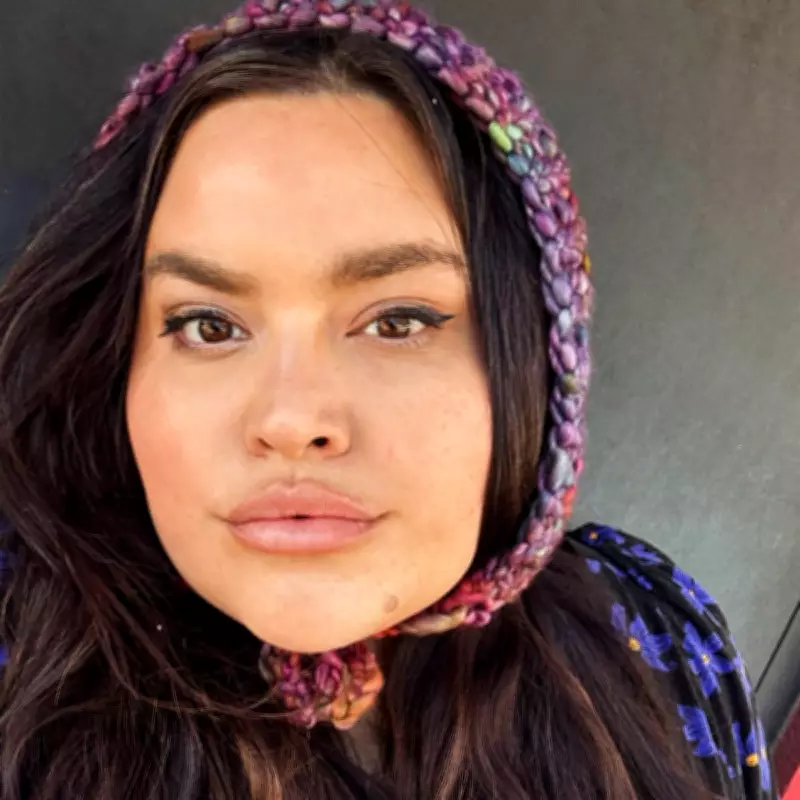
From her home in San Antonio, Ashley Fairbanks watched as federal immigration authorities conducted raids in her hometown of Minneapolis, sparking a wave of community response. Determined to act, the 39-year-old writer, artist, and digital strategist initiated a grassroots effort that has since transformed into a powerful support network.
The Birth of Stand with Minnesota
Fairbanks began by compiling a Google Doc with resources for residents, but as the list expanded, she leveraged her web development skills to launch Stand with Minnesota. The site quickly gained traction, attracting over 2.4 million hits and raising almost $20 million for affected individuals and families.
"People were really eager to help," Fairbanks noted, highlighting the immediate outpouring of generosity. The platform has facilitated critical aid, including coordinating flights using donated frequent flyer miles to reunite families and assist those released from detention centers like Dilley in Texas.
Focus on Rent and Mutual Aid
With national attention waning, Stand with Minnesota has shifted its focus to covering rent for families impacted by the ICE siege. Donations are being matched by a Minnesota grant-making foundation, ensuring that residents who have been unable to work can remain in their homes.
The site also features a "giving directory" that promotes mutual aid efforts, such as laundry services, grocery drop-offs, and tow assistance for vehicles abandoned after ICE interactions. "It's been incredible to get to see all of the generosity," Fairbanks said, emphasizing the shift from traditional nonprofit giving to direct community support.
Replicating Success in Other Cities
Fairbanks is passionate about helping others establish similar online hubs. She attributes the success of Stand with Minnesota to her social media presence on Bluesky, which she estimates has covered rent for at least 25 people this month alone.
"Anyone could start with something like this," she advised, suggesting tools like Linktree for creating accessible resource pages. She offers to duplicate her website for activists in other areas, encouraging proactive community building before crises strike.
Minneapolis's Unique Organizing History
Fairbanks pointed to Minneapolis's rich history of collectivism, from the truck strikes of 1934 to co-op movements, as a foundation for current efforts. The city's experience with police violence, including the murders of George Floyd, Jamar Clark, and Philando Castile, has fostered a culture of reflexive organizing.
"We have a different idea of what's possible," she explained, noting that this background enables rapid mobilization. Unlike past movements focused on symbolic gestures, current efforts involve tangible actions like daily transportation for immigrant workers.
Building Resilient Communities Nationwide
Fairbanks urged people outside Minneapolis to prepare for potential crises, whether related to immigration, climate disasters, or other challenges. "Inter-connected, inter-dependent communities are resilient communities," she stated, advocating for simple steps like meeting neighbors and sharing contact information.
She criticized reliance on police or established charities as the sole solutions, instead promoting mutual aid as a sustainable alternative. "The answer is actually just helping each other," Fairbanks concluded, calling for a broader cultural shift toward community interdependence.