Utah Prosecutor Rejects Conflict Claims in High-Profile Charlie Kirk Murder Case
A key Utah prosecutor has firmly denied allegations of a conflict of interest during a crucial court hearing in the murder case of rightwing activist Charlie Kirk. The defence team for accused killer Tyler Robinson argued for the removal of local prosecutors, claiming their impartiality has been compromised.
Defence Alleges Emotional Bias in Death Penalty Decision
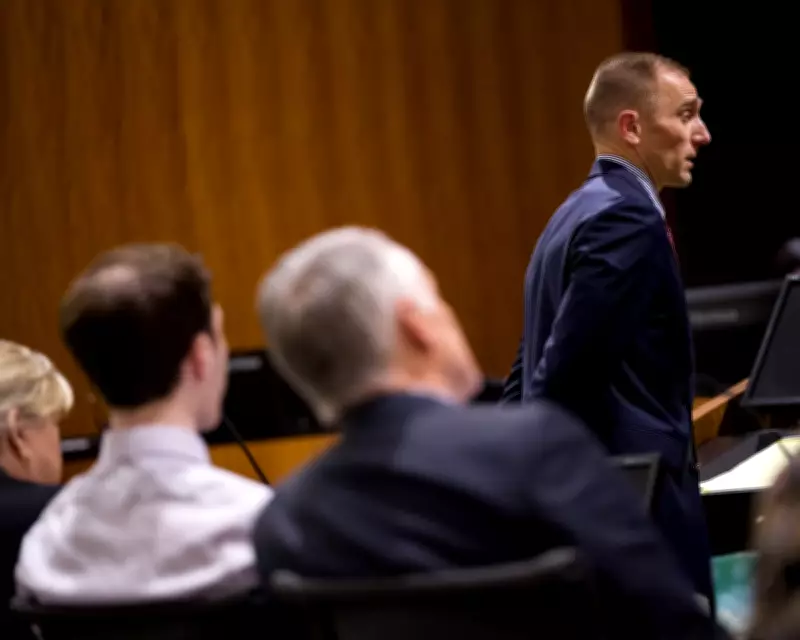
Robinson's legal representatives presented their case before Judge Tony Graf in Provo, Utah, on Tuesday. They contended that Chad Grunander, a deputy county attorney involved in the prosecution, should be disqualified because his adult daughter attended the Utah college campus rally where Kirk was fatally shot.
The defence suggested that the prosecution's decision to seek the death penalty just days after the killing demonstrated what they described as a "strong emotional reaction" from Grunander, potentially creating a significant conflict of interest. This move, they argued, indicated bias that could undermine the fairness of the legal proceedings.

Prosecution Maintains Impartiality in Capital Punishment Pursuit
During Tuesday's hearing, both Grunander and his daughter provided testimony before the court. Grunander explicitly stated that his daughter's presence at the rally did not influence his office's decision to pursue capital punishment against Robinson.
Prosecutors maintained they opted for the death penalty because they believed they had gathered sufficient evidence against the accused. County attorney Jeffrey Gray further testified that he had considered seeking capital punishment even before authorities apprehended Robinson, noting the case had already attracted substantial public attention.
Media Coverage and Fair Trial Concerns Intensify
The conflict of interest allegations emerged alongside growing concerns about media influence on the trial's fairness. Robinson's attorneys have requested the judge to block graphic videos of the killing from being shown in court and have sought to ban all cameras from the courtroom proceedings.
They argued that what they termed "highly biased" media coverage could significantly hinder Robinson's constitutional right to a fair trial. The defence team specifically accused news organisations of becoming "financial investors" in the case, even attempting to determine what Robinson whispered to his lawyers using lip-reading experts.
Transparency Versus Prejudicial Reporting Debate
Kirk's widow, alongside prosecutors and media attorneys, have urged the court to maintain open proceedings. In a Monday court filing, Erika Kirk's lawyer warned that "in the absence of transparency, speculation, misinformation, and conspiracy theories are likely to proliferate, eroding public confidence in the judicial process."
However, the defence highlighted concerning media behaviour, including a television camera operator who zoomed in on Robinson's face during a previous hearing, directly violating courtroom orders.
Legal Experts Validate Defence Concerns
Prominent legal scholars have supported the validity of the defence team's apprehensions regarding media influence. Valerie Hans, a Cornell Law School professor and leading jury system expert, explained that media coverage in high-profile cases like Robinson's can create a direct "biasing effect" on potential jurors.
"When jurors come to a trial with this kind of background information from the media, it shapes how they see the evidence that is presented in the courtroom," Hans stated. She noted that extensive media coverage, including videos, photographs, and analysis of the killing and Robinson's surrender, could predispose jurors before hearing actual evidence.
Political Dimensions Complicate Legal Proceedings
The case carries significant political weight, given Charlie Kirk's status as one of Donald Trump's most prominent allies and his organization Turning Point USA's substantial role in bolstering Trump's 2024 campaign. This national attention and surrounding political rhetoric are expected to further complicate efforts to ensure Robinson receives an impartial trial.

University of Utah law professor Teneille Brown observed that even before formal charges were filed, "people jumped to conclusions about who the shooter could be and what kind of politics he espoused." She expressed concern that this premature judgment could affect jurors' openness to evaluating evidence objectively.
Current Status of the Case
Tyler Robinson has not yet entered a formal plea in the case. Prosecutors have indicated they have DNA evidence linking him to the killing. According to reports, Robinson allegedly texted his romantic partner that he targeted Kirk because he "had enough of his hatred."
The hearing addressed multiple procedural issues that must be resolved before the trial proceeds, including the admissibility of visual evidence and media access to courtroom proceedings. Both legal teams continue to navigate these complex matters as they prepare for what promises to be one of Utah's most closely watched murder trials in recent years.